
You Researched the Brand, Paid More, and Still Got Greenwashed: How to Spot Fake Sustainability Claims
Greenwashing has gotten sophisticated enough that informed buyers still get fooled. Learn the five claims that sound sustainable but prove nothing, and what real evidence looks like.
Published · Updated
Marcus Vance
Fabric Longevity & Grooming Editor · Editor Bio → · How we research →
12 investment pieces that create 50 versatile outfits without loud designer logos.
Key Takeaways
- "Conscious," "eco," and "responsible" are marketing words with no legal definition — they prove nothing about a garment's impact.
- Vague material claims (e.g., "partial recycled content") often hide that 95% of the product is conventional.
- Real sustainability signals are specific, third-party verified, and cover the whole supply chain, not one headline fabric.
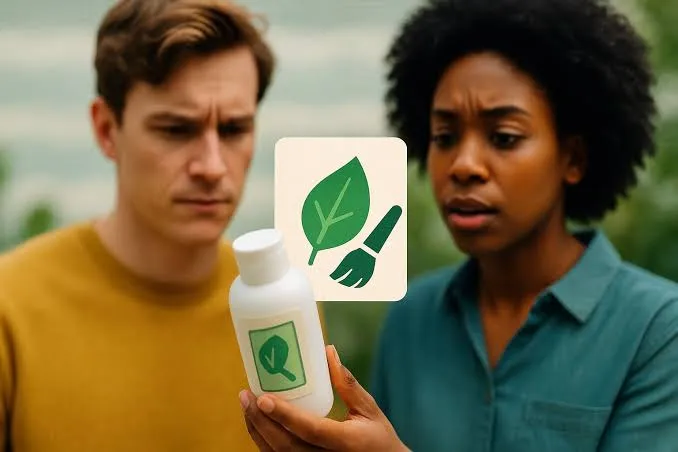
You did the work. You read the brand's sustainability page, felt good about the values, paid the premium, and then kept digging — and found the labor conditions, the offset math, or the material mix did not match the story. The r/SustainableFashion "Should I give up?" thread is full of exactly this exhaustion. You are not cynical. You are responding to a market where greenwashing has gotten good.
Why Smart Buyers Still Get Fooled
Greenwashing works because it borrows the language of accountability without the substance. Buyers are informed — but the claims are designed to survive a casual read.
The Five Claims That Prove Nothing
1. "Conscious," "Eco," "Responsible" collections. These are adjectives, not standards. H&M's "Conscious" line was the subject of a greenwashing lawsuit precisely because the materials did not match the sustainability implication. A sub-collection inside a high-volume brand is still high-volume production.
2. "Made with recycled materials" (no percentage). Recycled content can be 5% or 95%. Without a number, assume the minimum. Look for the actual percentage and whether it is recycled fiber or just recycled packaging.
3. "Carbon neutral" via offsets. Offsetting lets a brand keep emitting and "cancel" it elsewhere. Offsets vary wildly in quality; some are never realized. A brand that leads with offsets but is vague on absolute emissions reduction is managing perception.
4. "Natural" or "plant-based" fabrics. Natural is not automatically lower-impact. Conventional cotton is water- and pesticide-intensive. "Plant-based" can mean a blend where the plant portion is minor. Ask what, and how much.
5. Single-hero-fabric stories. A brand that shouts "organic cotton" while ignoring dye wastewater, worker pay, and garment longevity is highlighting one node of a long chain.
What Real Evidence Looks Like
- Specific numbers: "78% recycled polyester in this specific style," not "recycled materials."
- Third-party certification: GOTS (organic textiles), GRS (recycled content), Fair Trade, bluesign, OEKO-TEX. Verify the certifier is independent.
- Supply-chain transparency: Named mills or farms, not "our trusted suppliers."
- Durability data or repair programs: A genuinely sustainable garment is one you keep. Brands offering repairs or take-back are putting longevity where their mouth is.
- Honest limitations: The most credible brands publish what they have not solved yet.
how to build a wardrobe that lasts
A Practical Verification Routine
Before paying the premium, spend five minutes:
- Search the brand name + "greenwashing lawsuit" or "greenwashing reddit."
- Find the actual material percentage on the product page, not the collection page.
- Check for a named, independent certifier.
- Ask whether the claim covers the whole garment or one fiber.
- Prefer secondhand or buy-it-for-life brands when new purchase is unavoidable.
Frequently Asked Questions
Is buying less the only real solution?
Largely yes for impact, but not the only lever. Buying fewer, longer-lasting, repairable pieces from transparent brands beats frequent "sustainable" purchases that still churn.
Are certifications trustworthy?
Reputable independent ones (GOTS, GRS, Fair Trade, bluesign) are meaningful. Brand-created "eco labels" are not. Check who issues the certificate.
Does shopping secondhand count as sustainable?
It is the lowest-impact option for most items — it extends a garment's life with no new production. Start there before buying new "sustainable" lines.
Why do even good brands greenwash?
Because sustainability is a selling point, and partial progress is easier to market than full accountability. The burden of verification lands on the buyer — which is why a quick check matters.
Greenwashing survives because it sounds like the real thing to a hurried, well-meaning shopper. Strip the adjectives, demand the percentages and the certifiers, and the fake sustainability stops fooling you — and your wallet.