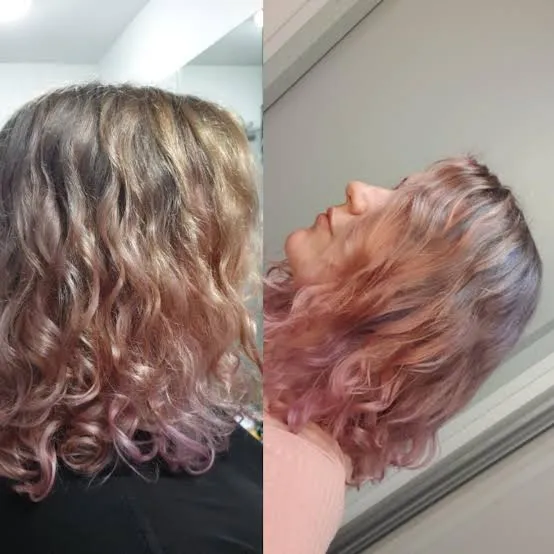
hair
Oct 26, 2026•7 min read
Why Your Hair Color Fades in Two Weeks (and the Washing Habit That Causes It)
Hair color fades fast when you wash too soon, use hot water, or use sulfate shampoos. Waiting 72 hours and washing less extends the color.
 The Fashion & Beauty
Hair rituals grounded in protein/moisture balance, scalp health, and heat-damage recovery rather than trend cycles.
35 guides published in Hair.
Core Pillar Knowledge Hub
Hair rituals that work — treatments, styling, and ingredient science.
The hair questions readers ask us most.
Hair color fades fast when you wash too soon, use hot water, or use sulfate shampoos. Waiting 72 hours and washing less extends the color.
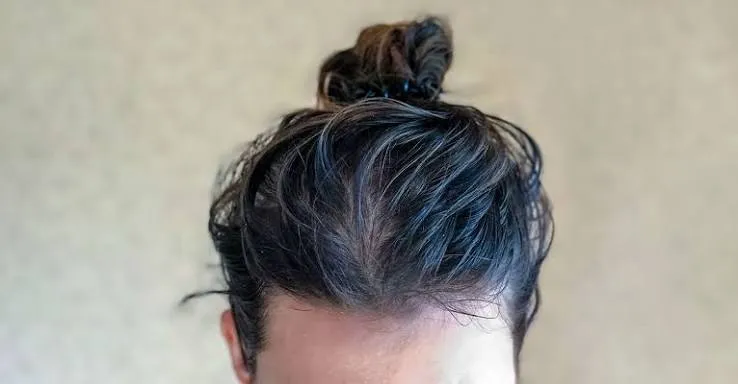
An oily scalp by midday often comes from over-washing with harsh shampoo, which triggers rebound oil production. The fix is gentler, less frequent washing.
An itchy scalp after washing comes from alkaline shampoo, hot water, or product residue. A pH-balanced cleanser and cool rinse fix it.
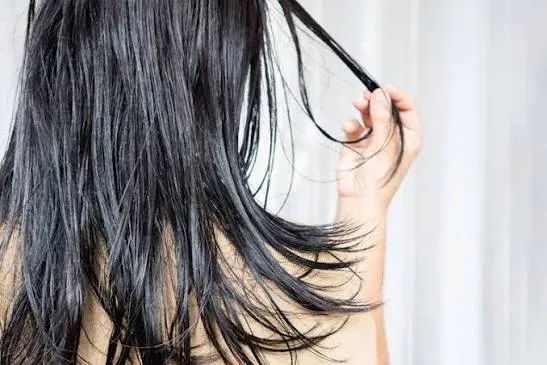
Hair oil goes greasy when applied to roots, used in excess, or on the wrong hair type. Applying to ends only and using less fixes it.
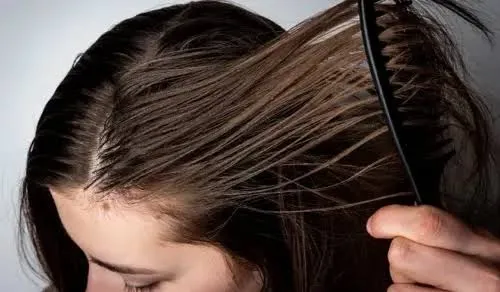
Hair serum goes greasy when applied to roots, used in excess, or on the wrong hair type. Applying to ends only and using less fixes it.
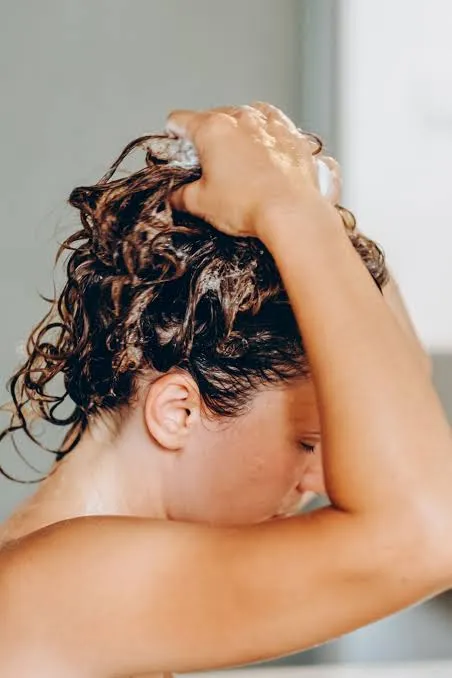
Matching shampoo and conditioner is not necessary. The real problem is using the wrong types for your hair. Mixing and matching based on your needs works better.
Styling products fail when applied to wet hair, in the wrong order, or without heat. Applying to damp hair and layering correctly fixes it.
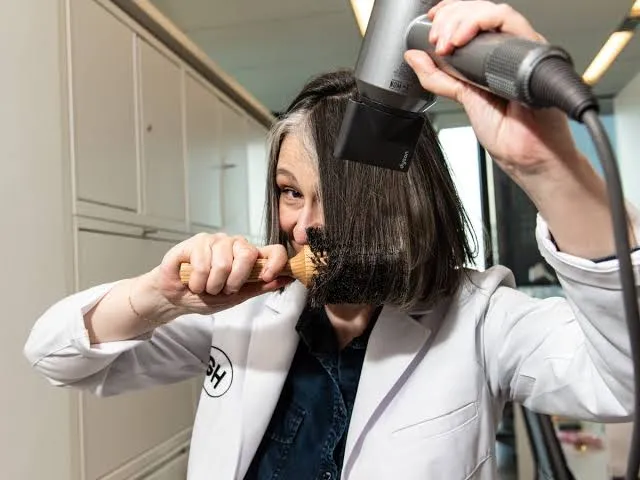
Hair dryers damage hair when used on high heat, too close, or without a heat protectant. Low heat, distance, and protectant prevent damage.
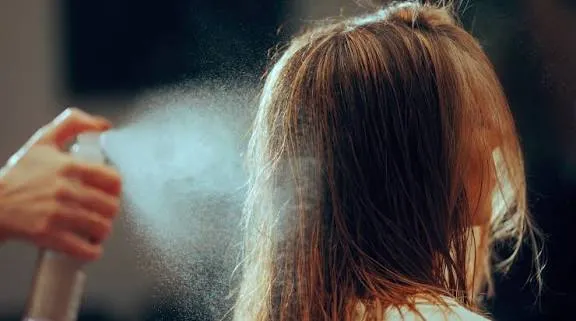
Heat protectant fails when applied to wet hair, in the wrong amount, or too close to the scalp. Applying to dry hair before styling fixes it.
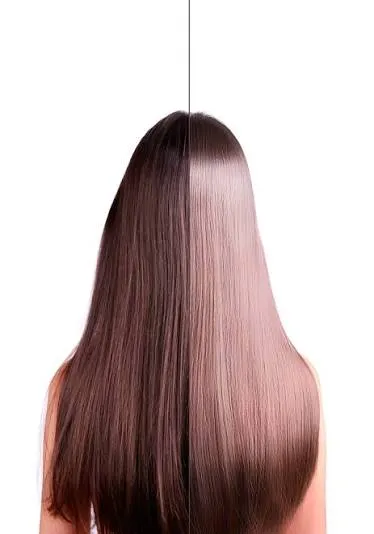
Deep conditioner fails when the hair is overloaded with protein, the formula is wrong, or it is not left on long enough. Moisture-only masks fix protein-overloaded hair.
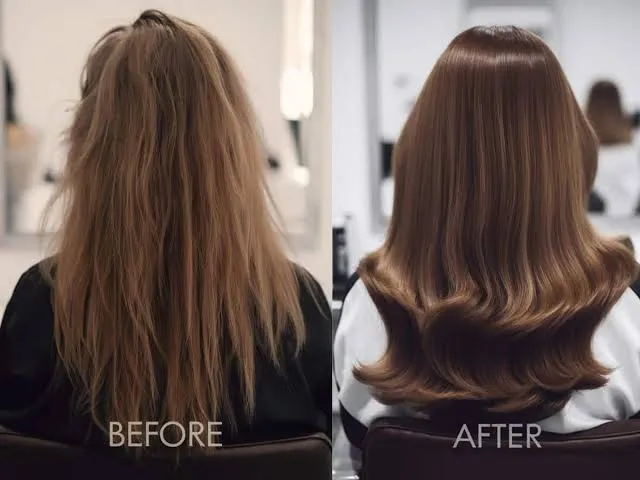
Purple shampoo deposits pigment only while the cuticle is open after washing; as the cuticle reseals and the hair dries, the violet bonds to sebum and washes away, so brass creeps back.

A tight, tingling scalp after shampooing is a contact-damage response: silicone/sulfate buildup raises the sting threshold while stripping washes away the barrier that buffers it.
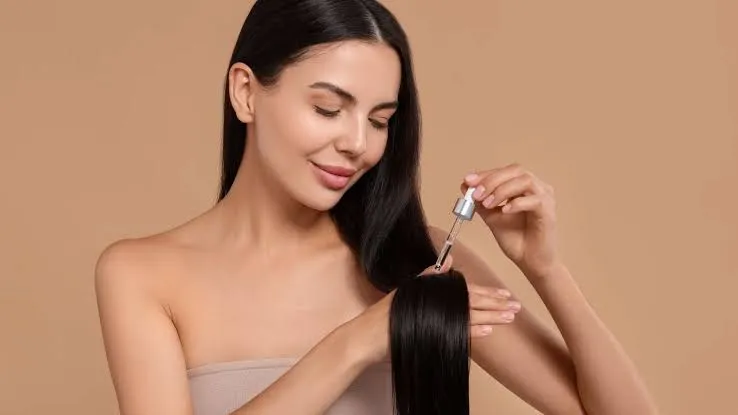
Serum applied to mid-lengths travels both directions: upward into greasy roots (sebum + silicone build-up) and downward onto already-dry ends. Applying only to dry ends stops the upward migration.
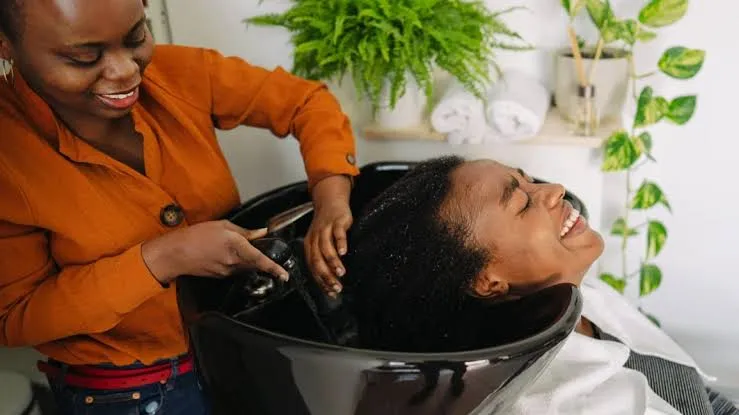
Co-washing replaces surfactants with conditioning agents; on fine, low-density hair that is a one-way ticket to the greasy helmet because fine strands cannot carry the extra lipid load.

Mousse is silicone-based and gel is water-based; layering them creates a phase separation that collapses the mousse's volume and leaves flakes. Applying in the same product family fixes it.
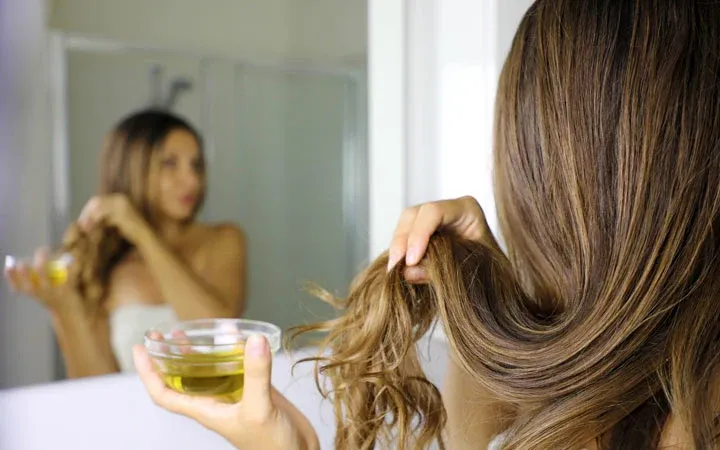
Hot oil applied to room-temp hair sits on the surface because the cuticle is closed; warming the hair first opens the cuticle so the oil penetrates before it cools and slides off.
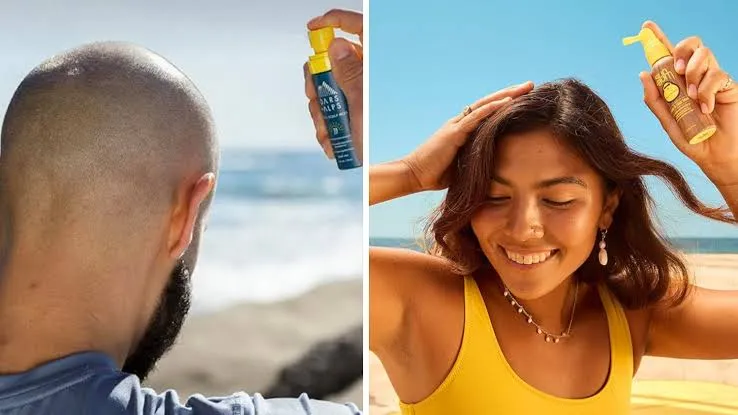
The scalp burns, peels, and flakes from UV exposure because most people never apply sunscreen along the part line or hairline. Powder SPFs and scalp mists now make daily coverage practical for every hair type.
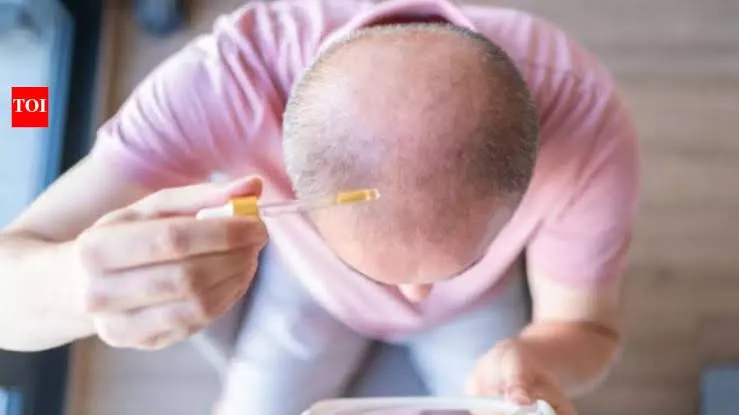
Most topical hair growth serums peak at 3 to 6 months and then plateau as the follicles reach their new normal. The 'it stopped working' moment is usually the moment the serum finished its job, not the moment it failed.
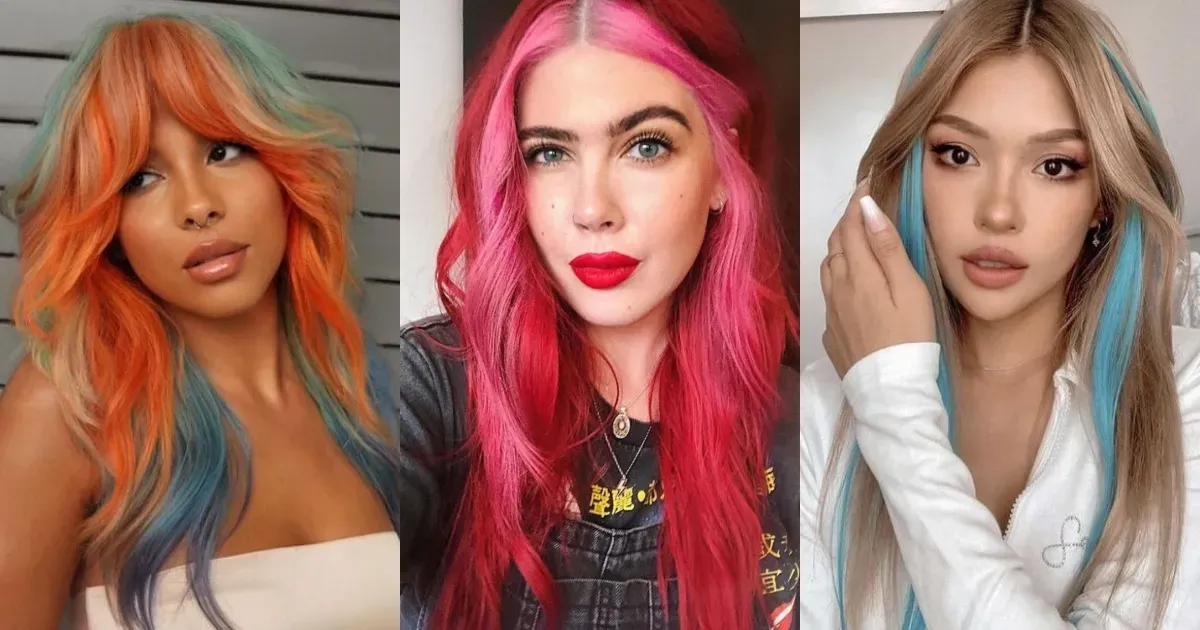
Vivid fashion-color hair fades fast because high-porosity, bleached strands leak pigment — and hot washing accelerates it. Cool water and porosity-matched care keep color for the event.
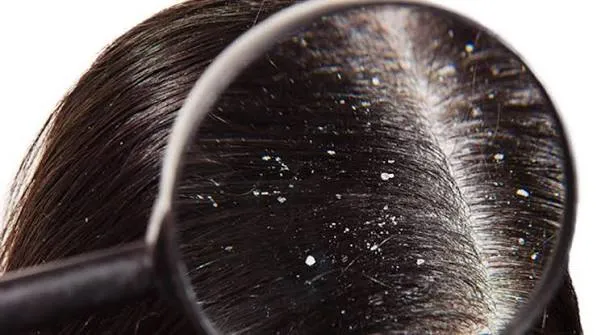
Flaking that survives every anti-dandruff shampoo is usually misdiagnosed. Buildup flakes and dry-skin flakes need opposite treatments — and mixing them up is why nothing works.
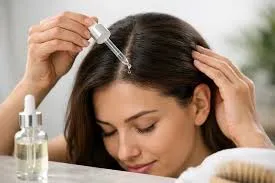
Most 'repair' hair serums only coat the surface. Real repair needs bond-building actives that penetrate the cortex — and knowing the difference stops you buying the same fake fix.
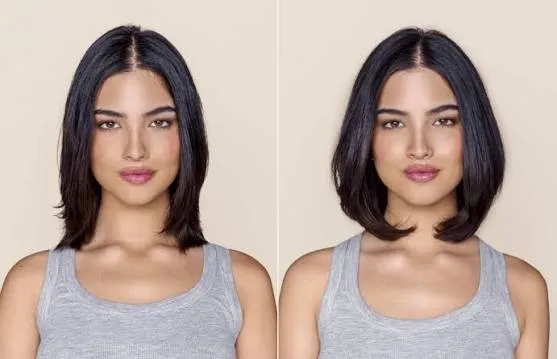
Conditioner flattens hair when it goes on the roots or isn't rinsed out. Apply it mid-lengths to ends only, use less, and rinse thoroughly.
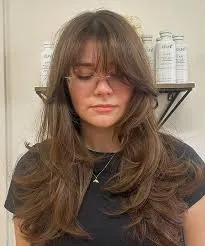
A blowout that falls flat by midday is usually beaten by humidity and the wrong finishing-spray order. Sealing cuticles with cool air and a humidity-proof layer keeps the style up.
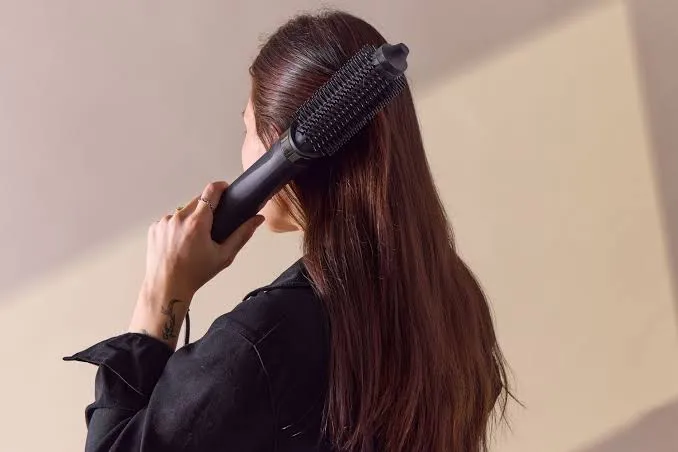
Round brush frizz usually comes from snagging bristles, loose or uneven tension, and air aimed up the shaft. Use a boar-nylon mix and dry from root to tip.
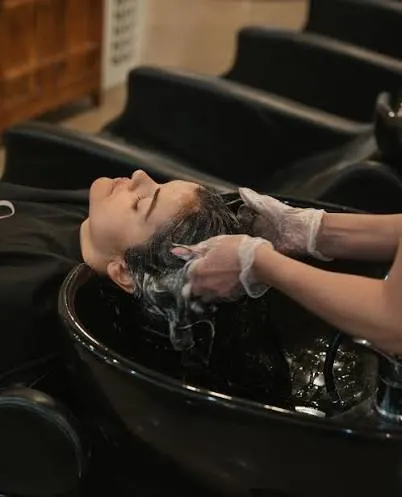
Salon deep treatments outperform home masks because of heat and time, not a magical product. Recreating both with a heat cap and a longer sit makes the drugstore mask work.

Bleached hair turns green in pool water because the porous cuticle binds copper ions from the water. Here is the pre-swim seal, post-swim chelation, and product choice that prevents green hair without avoiding pools.
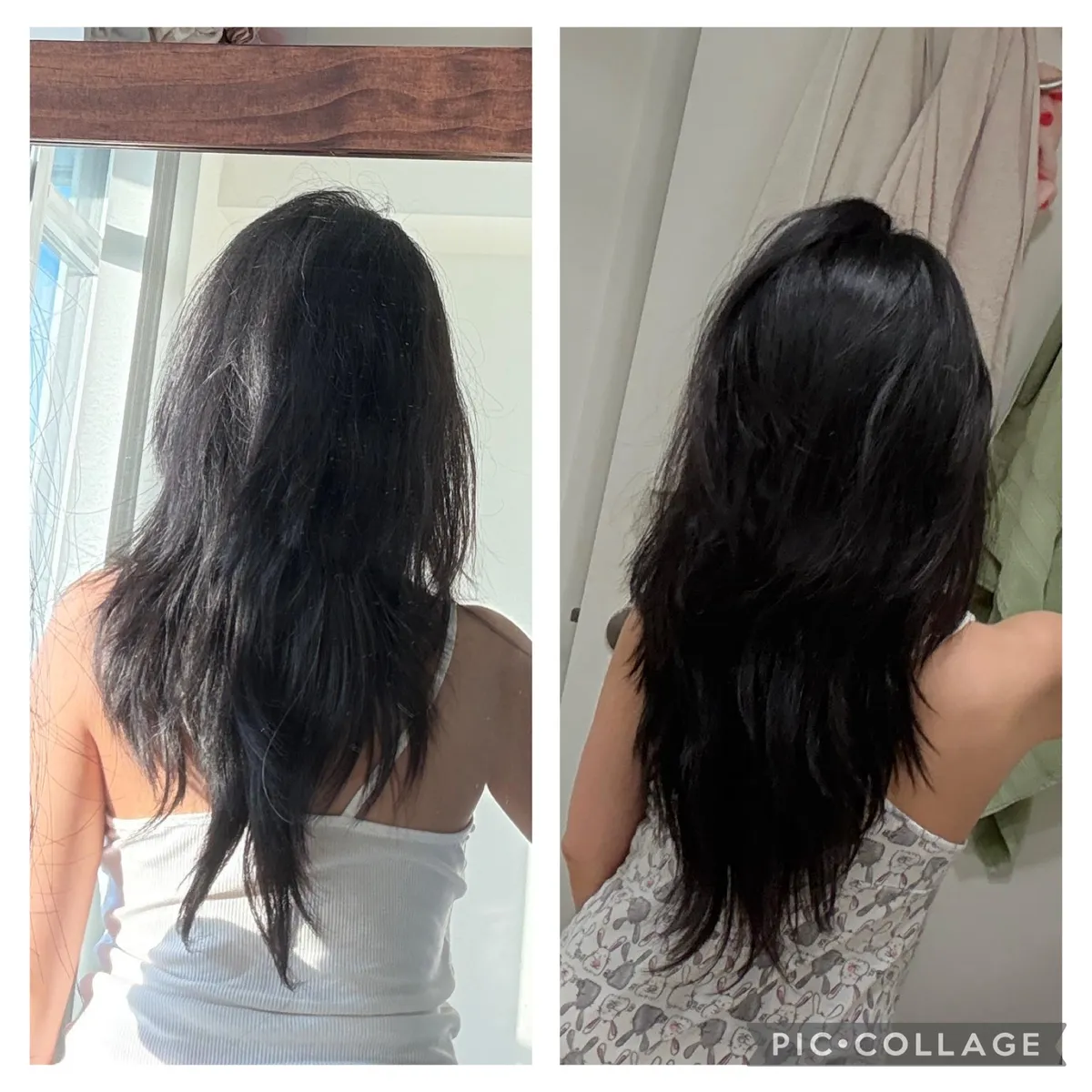
Clarifying shampoo removes color from chemically treated hair because its surfactants are strong enough to lift color molecules from the cuticle. Here is the timing, the alternative shampoo, and color-preserving protocol that extends dye life by 4 to 6 weeks.
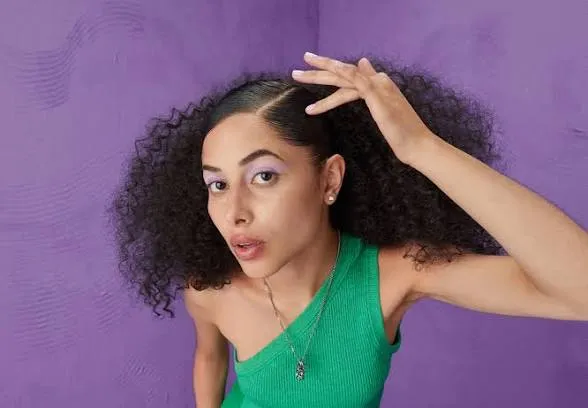
Hair gel makes roots greasy when it is applied too close to the scalp, when it contains oil-based ingredients, or when it is not rinsed out properly. Here is the application distance, formula choice, and cleansing protocol that keeps roots clean.
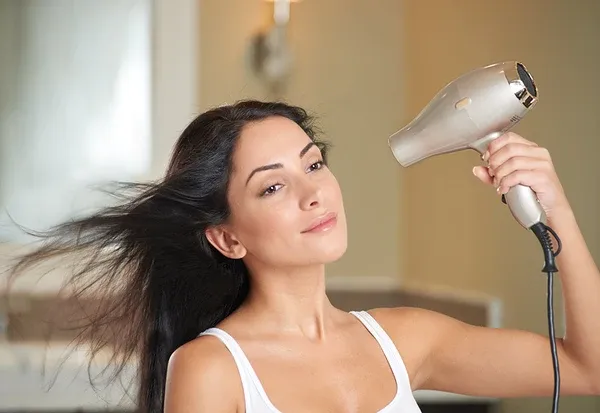
Hair frizzes after blow-drying when high heat and scattered airflow rough up the cuticle. Use the nozzle, medium heat, root-to-tip airflow and a cool shot.
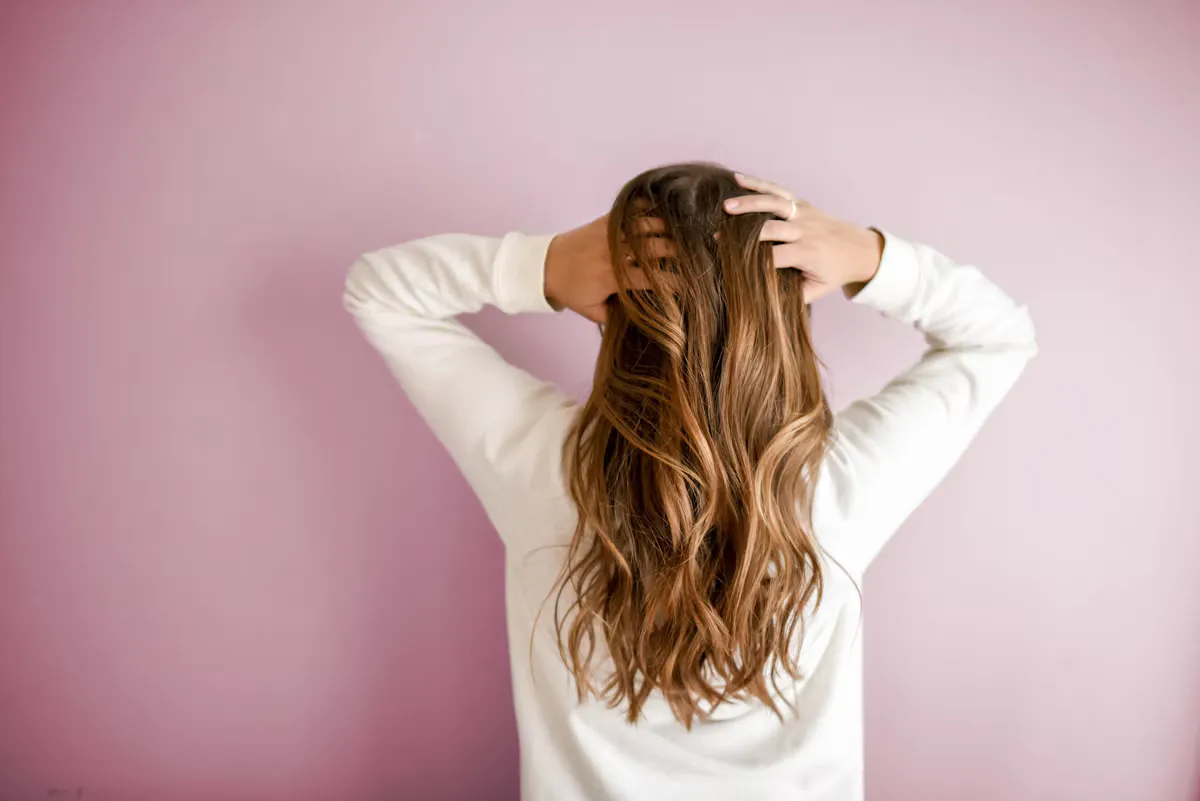
Scalp serums bead up and roll off the scalp instead of absorbing because of a silicone-based barrier from shampoo, because the serum is too water-based, or because the scalp skin is dry and flaky. Here is the formula and prep protocol that makes serums absorb.
Shampoo and conditioner frequency depends on scalp type, hair type, and product buildup. Here is the evidence-based washing schedule that keeps hair clean without stripping.

Bond repair products are essential but not sufficient for bleached hair health in 2026. Here is what bond repair misses and the full post-bleach protocol that actually restores strength and elasticity.

Fine hair product confusion is common: texture spray and volume powder do different jobs. Here is how to choose the right one for thickness, movement, and lasting style.

Flat iron heat damage is not always visible. Here are the early signs of cuticle damage, porosity changes, and breakage from heat styling tools that most people miss until the damage is advanced.
Most thinning hair products disguise thinning rather than treating it. Here is how to tell if a product is a scalp stimulant that works or a fiber coating that only masks the problem.