
Why Your Hair Serum Makes Your Hair Greasy (and How to Apply It Right)
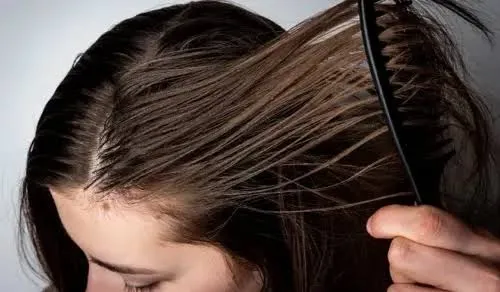
Hair serum goes greasy when applied to roots, used in excess, or on the wrong hair type. Applying to ends only and using less fixes it.
Published
Marcus Vance
Fabric Longevity & Grooming Editor · Editor Bio → · How we research →
Bond-repair chemistry, wash temperature rules, and protein-moisture balance.
Key Takeaways
- Hair serum goes greasy when applied to roots, used in excess, or on the wrong hair type.
- Serum is for the ends, not the roots. Applying to the scalp causes greasiness.
- One to two drops is enough for most hair lengths. More causes buildup.
- Fine hair needs lighter serums. Thick hair can handle heavier ones.
- Serum should be applied to damp or dry hair, not wet hair.
You apply hair serum. Your hair looks greasy. You assume the product is too heavy. Usually the problem is how and where you apply it.
This guide explains why hair serum makes hair greasy, what causes it, and how to use it correctly.
What Hair Serum Is
Hair serum is a silicone-based or oil-based product. It coats the hair shaft and provides shine, smoothness, and frizz control. It does not penetrate the hair. It sits on the surface.
Serums are not conditioners. Conditioners penetrate the hair and add moisture. Serums seal the cuticle and add shine. They are finishing products, not treatments.
Cause One: Applying to the Roots
The most common mistake is applying serum to the roots. Serum is designed for the ends and mid-lengths. The roots are already oily (from sebum). Adding serum makes them greasy.
Apply serum from the mid-lengths to the ends only. Start at the ends and work up. Stop 2 to 3 inches from the roots. The roots do not need serum. They have natural oil.
If your roots are greasy after applying serum, you applied too close to the scalp. Wash and reapply, keeping the product away from the roots.
Cause Two: Using Too Much
One to two drops is enough for most hair lengths. Using more causes buildup. The excess serum sits on the hair and makes it look greasy.
Start with one drop. Rub it between your palms. Apply to the ends. If your hair is long or thick, use two drops. Do not use more.
If your hair looks greasy after one drop, your hair is fine or thin. Use less (half a drop) or switch to a lighter serum.
Cause Three: Applying to Wet Hair
Serum should be applied to damp or dry hair. Wet hair is coated with water. The serum cannot bond with the hair shaft. It sits on top of the water and makes the hair look greasy.
Towel dry your hair first. Remove excess water. Then apply serum. The hair should be damp, not dripping.
If you apply serum to dry hair, it works well. Dry hair absorbs the serum better than wet hair. But use less (half a drop) because dry hair shows greasiness more.
Cause Four: Wrong Formula for Your Hair Type
Not all serums are equal. Different formulas suit different hair types.
- Fine or thin hair: use a lightweight, water-based serum. Heavy silicones weigh fine hair down. Look for "lightweight" or "for fine hair" on the label.
- Thick or coarse hair: use a heavier, oil-based serum. Thick hair can handle more product. Look for "for thick hair" or "deep conditioning."
- Curly hair: use a serum with humectants (like glycerin). Curly hair needs moisture. Apply to damp hair for best results.
- Oily hair: use a silicone-based serum. Oils make oily hair greasier. Silicones are lighter and do not add oil.
If your serum makes your hair greasy, the formula may be too heavy. Switch to a lighter one.
Cause Five: Not Distributing Evenly
Applying serum to one spot creates a greasy patch. The rest of the hair is dry. The serum needs to be distributed evenly.
Rub the serum between your palms until it is warm and thin. Then apply to the ends and work up. Use your fingers to comb through the hair. This distributes the serum evenly.
Do not apply serum directly to the hair from the bottle. This creates clumps. Always warm it in your palms first.
Cause Six: Applying Over Product Buildup
If your hair has product buildup (from previous styling products), serum sits on top of the buildup. It cannot reach the hair shaft. It makes the hair look greasy.
Clarify your hair once a week with a clarifying shampoo. This removes product buildup. Then apply serum. The serum bonds with the clean hair shaft.
The Role of Hair Porosity
Porosity is how easily hair absorbs and loses moisture. It affects how serum works.
- High-porosity hair (damaged, bleached, or coarse): absorbs serum fast but also loses it fast. The cuticle is raised and open. Serum sits on top and looks greasy.
- Low-porosity hair (healthy, fine, or virgin): resists serum. The cuticle is tight and closed. Serum sits on top and looks greasy.
If your hair is high-porosity, use a lighter serum and apply to damp hair. The water helps the serum penetrate. If your hair is low-porosity, use heat (blow dryer) to open the cuticle and help the serum absorb.
Serum vs. Oil: Which to Choose
These are different products with different uses.
- Serum: silicone-based. Sits on the surface. Adds shine and smoothness. Does not penetrate. Good for frizz control and finishing.
- Oil: penetrates the hair shaft. Adds moisture and nourishment. Good for dry, damaged hair. Can be heavy.
Choose based on your hair type and concern. Fine hair benefits from serum. Dry, damaged hair benefits from oil. Curly hair benefits from both (oil for moisture, serum for shine).
The Right Application Routine
- Wash and condition hair.
- Towel dry. Remove excess water.
- Apply 1 to 2 drops of serum to your palms.
- Rub palms together to warm and thin the serum.
- Apply to the ends and mid-lengths only. Avoid the roots.
- Comb through with fingers or a wide-tooth comb.
- Style as usual.
For dry hair (between washes), use half a drop. Apply to the ends only.
Common Mistakes That Make It Worse
- Applying to roots. Apply to ends only.
- Using too much. Start with one drop.
- Applying to wet hair. Towel dry first.
- Not distributing evenly. Warm in palms first.
- Using a heavy formula on fine hair. Switch to lightweight.
- Applying over buildup. Clarify weekly.
When to See a Hairstylist
See a hairstylist if your hair is very greasy or very dry. See one if you are unsure which product to use. See one if your hair is damaged and needs treatment.
A good hairstylist can assess your hair type and recommend products and techniques.
Frequently Asked Questions
How much serum should I use?
1 to 2 drops for most hair lengths. Fine hair: half a drop. Thick hair: 2 to 3 drops. More is not better. Excess causes greasiness.
Can I use serum on wet hair?
No. Wet hair dilutes the serum. Towel dry first. Apply to damp or dry hair.
Why does my serum make my hair greasy but my friend's does not?
Hair type and amount matter. Fine hair shows greasiness more. Thick hair absorbs more product. Use less on fine hair.
Should I apply serum before or after styling?
Before. Apply to damp hair before blow drying. Or apply to dry hair before flat ironing. Serum protects and smooths.
Hair serum is a finishing product, not a treatment. Apply to ends only, use one drop, distribute evenly, and choose the right formula. The hair stays smooth, not greasy.