Why Your Candle Doesn't Throw Scent (and the Wick Problem Nobody Mentions)
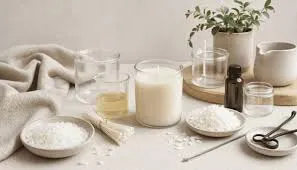
A candle that smells great in the jar but not when burning has a wick or cure problem. Matching the wick to the vessel and curing properly fixes it.
Fragrance families, longevity, projection and layering — how to choose a scent that reads as yours.
21 guides published in Fragrance.
The fragrance questions readers ask us most.

A candle that smells great in the jar but not when burning has a wick or cure problem. Matching the wick to the vessel and curing properly fixes it.

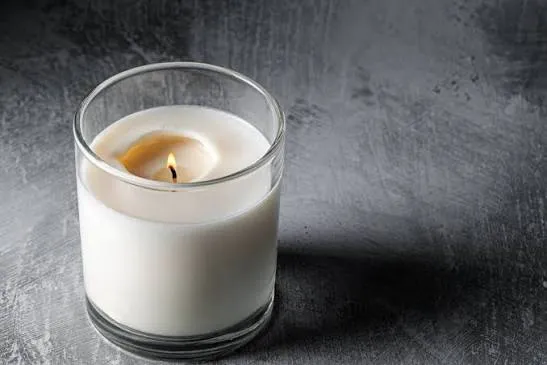
Candle tunneling happens when the first burn is too short. The wax sets a memory. Burning long enough for a full melt pool prevents it.

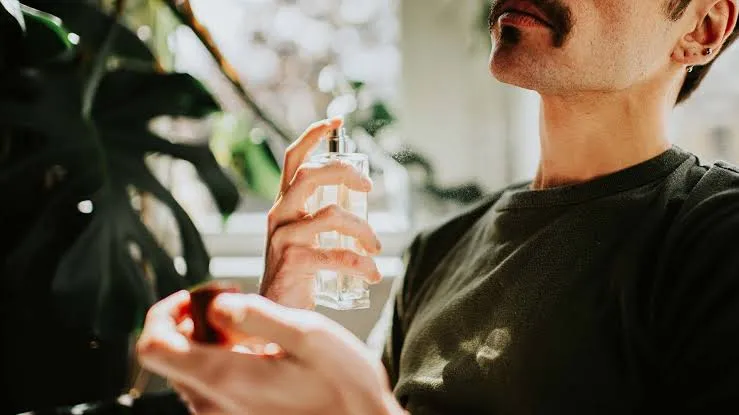
Cologne is too strong when you apply too much, apply to clothes, or choose the wrong concentration. Two sprays on pulse points is enough.

Cologne smells different on skin than on paper because of moisture, pH, and body heat. Testing on skin for 30 minutes reveals the true scent.

Short wear time usually comes from dry skin, wrong concentration, or heat and friction on pulse points. Fixing the base and the application point adds hours.

Unisex fragrances fade fast when they rely on light, volatile notes. Heavy base notes (woods, musk, amber) last longer on all skin types.

Unisex fragrances smell different on different people because of skin moisture, pH, and temperature. Testing on your own skin is essential.

Perfume does not project when applied to the wrong areas, in the wrong amount, or on dry skin. Applying to pulse points and moisturizing fixes it.

Perfume changes on skin because of moisture, pH, and body heat. Testing on skin for 30 minutes reveals the true scent.

Top notes evaporate fast in heat but base notes polymerize and bind to sweat, creating the sour-gym-towel smell that has nothing to do with the cologne's real scent.

Skin sheds cells and produces oil that dilutes top notes; fabric absorbs and traps the intact molecule, so the shirt becomes the real signature while skin memory fades fast.

A candle that smells strong in the store but goes quiet at home is usually a cold-throw vs hot-throw mismatch, plus wick and cure issues — not your nose failing.

Perfume has gone bad when it smells sour, sharp or flat, or has darkened. Heat, light and air cause it, so store bottles capped, cool and dark.

Candles tunnel when blown out before the wax melts to the edge. Let the first burn reach the edges, trim the wick to 1/4 inch, and fix tunnels early.

Cologne smells different on you because a tester strip shows only the opening, while your skin's oils, warmth and other products reshape it over hours.

Unisex fragrances often collapse in hot weather because their top notes are volatile organic compounds that accelerate at higher temperatures. Here is why unisex scent structures are less heat-resistant and how to adapt application for summer.

Olfactory fatigue is your brain tuning out a scent you wear constantly, so your perfume seems to vanish while others still smell it. Here's how to reset.

Scented candles cause headaches from paraffin wax and synthetic fragrance oils. Here is how to choose soy or beeswax candles with natural fragrance oils that scent a room without triggering migraines.

Cologne fades fast on dry skin, in cold weather, and when it's a light, citrus-led EDT. Moisturize first, pick EDP or parfum, and spray fabric too.

Unisex fragrances work when the wearer chooses by scent memory and occasion, not by gender marketing. Here is how to build a unisex fragrance wardrobe that works for any wearer.

Perfume that fades quickly is usually an application and storage problem, not a quality problem. Here is why perfume projection drops off and how to extend it using molecular layering and skin preparation.