Why Clay Masks Leave Your Skin Tight and Dry (and How to Use Them Right)
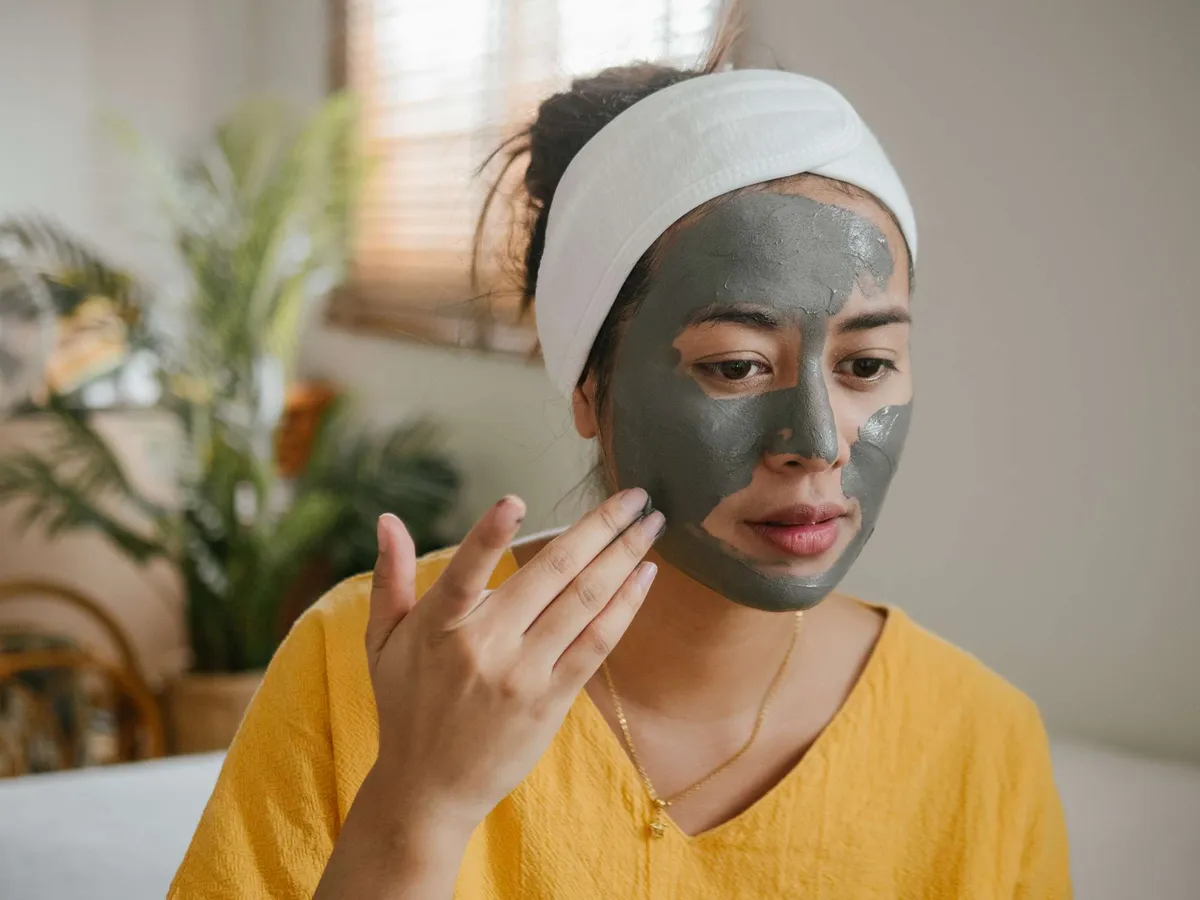
Clay masks dry out skin when left on too long or used too often. The right timing and a follow-up moisturizer prevent the tight, stripped feeling.
Ingredient-led skincare guides: what actually penetrates, what only feels nice, and how to layer without irritating your barrier.
6 guides published in Skincare.
Core Pillar Knowledge Hub
The complete skincare library — routines, ingredient guides, and honest reviews.
Showing Masks in Skincare

Clay masks dry out skin when left on too long or used too often. The right timing and a follow-up moisturizer prevent the tight, stripped feeling.


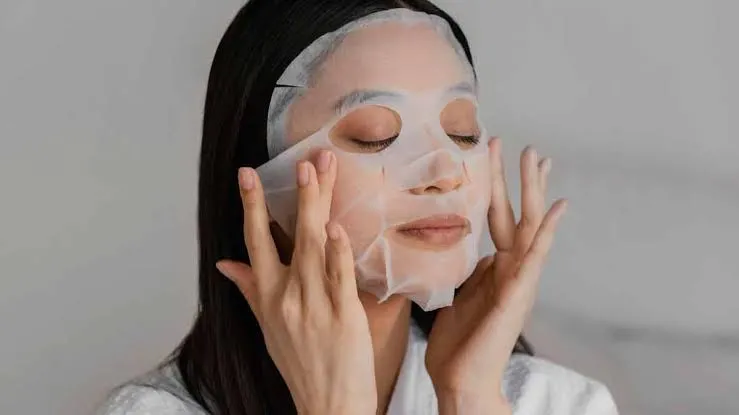
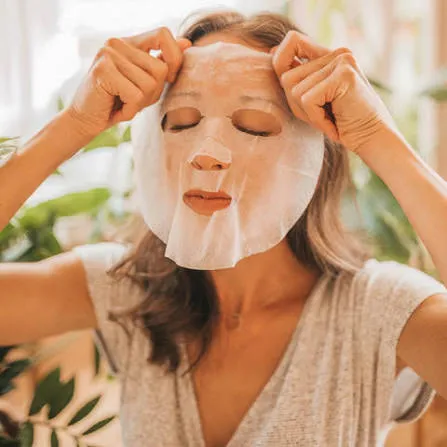
Sheet masks hydrate temporarily by occlusion. The effect lasts 1 to 2 hours. They do not add lasting hydration. Proper moisturizer works better.

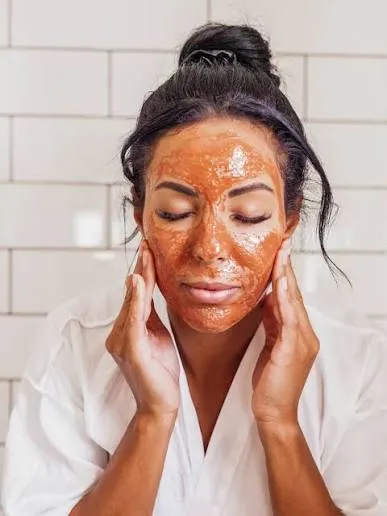
An overnight mask locks actives against the skin for 8 hours; if those actives (retinol, acids, benzoyl peroxide) are still active, they over-exfoliate the follicles and trigger milial cysts by morning.

Sheet mask breakouts are usually irritation, clogging or overuse, not purging. Mask less often, choose fragrance-free formulas and patch-test new ones.

Clay masks leave skin oily after use when they strip too much sebum and trigger a sebum rebound, or when the mask pH is too high and disrupts the acid mantle. Here is the mask frequency and post-mask moisturization protocol that produces clear, balanced skin.

Sheet masks and clay masks serve opposite purposes. Here is how to choose between hydration and oil control based on your skin's current state, not on trends.