
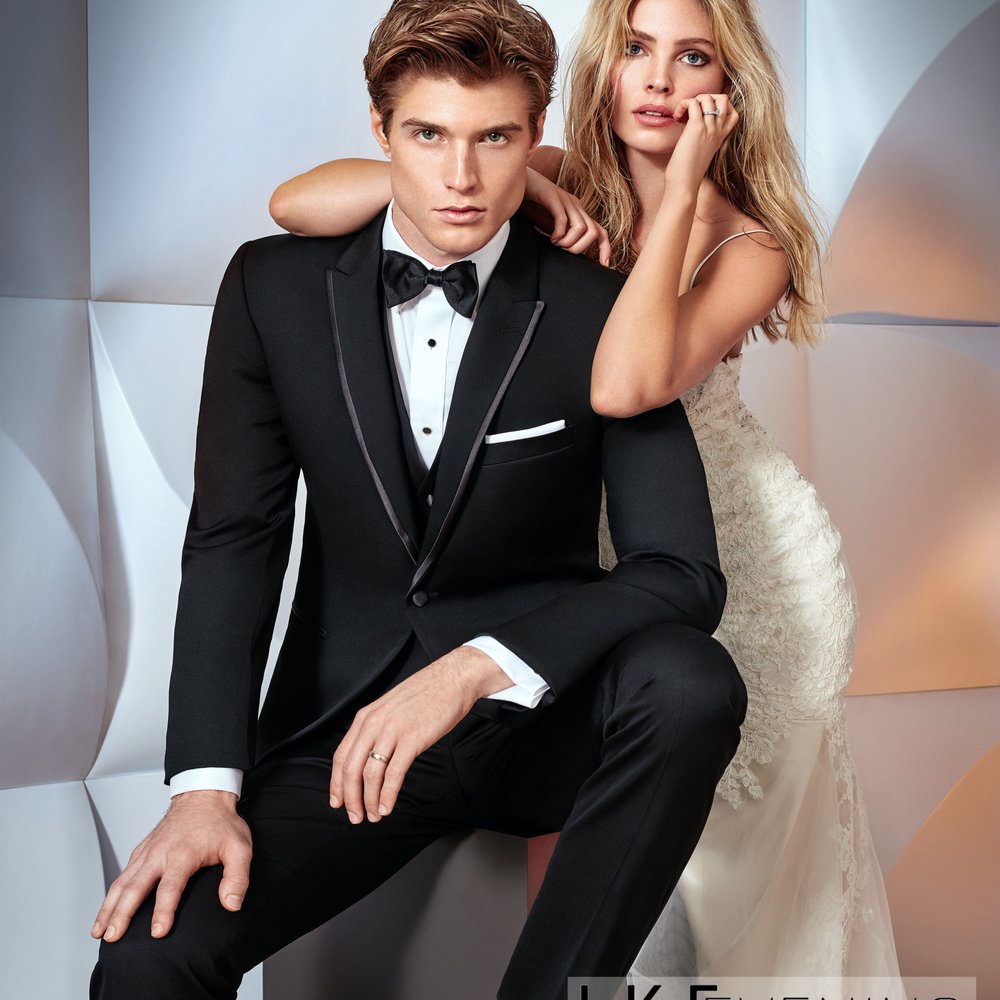
The Quiet Luxury Aesthetic: How to Dress Powerfully Without Logos
Key Takeaways
- Quiet luxury is a fashion aesthetic that uses high-quality fabrics, perfect fit, and neutral colors to signal status without visible logos.
- The aesthetic is built on fabric quality, tailoring, and restraint. The pieces are expensive but the logos are absent.
- Quiet luxury works because it signals that the wearer does not need logos to signal wealth. The confidence comes from the quality of the clothing, not from the label.
- A quiet luxury wardrobe is built on a capsule of 10 to 15 neutral pieces in wool, cashmere, cotton, and leather.
Quiet luxury is a fashion aesthetic that emerged as a reaction against logo-heavy luxury fashion. The aesthetic rejects visible branding in favor of high-quality fabrics, perfect fit, and restrained color palettes. A quiet luxury wardrobe contains no logos, no loud patterns, and no trend-driven pieces. It contains only the best fabrics and the best construction available. The wearer signals status through the quality of the clothing itself, not through a label. The aesthetic works because it signals that the wearer does not need logos to signal wealth. The confidence comes from the clothing, not from the brand. Building a quiet luxury wardrobe requires a different shopping strategy than typical fashion shopping. The focus is on fabric, construction, and fit rather than on brand name and trend. The result is a wardrobe that looks expensive without saying so, and that lasts for years without going out of style.
The Principles of Quiet Luxury
Quiet luxury is defined by four principles: fabric quality, tailoring, neutral color, and restraint.
Fabric quality: The fabric is the first thing people notice, even if they do not realize it. Wool, cashmere, cotton, linen, and leather are the foundation. Synthetic fabrics are avoided. Natural fibers breathe better, drape better, and age better than synthetics. The quality of the fabric is visible in the drape, the texture, and the way it moves with the body.
Tailoring: A well-tailored garment fits the body exactly. It does not pull, gap, or bunch. The shoulders sit correctly, the sleeves end at the wrist bone, and the pants break at the ankle. Tailoring is the difference between a $500 jacket that looks like a $500 jacket and a $500 jacket that looks like a $2000 jacket.
Neutral color: The palette is limited to neutrals: black, white, navy, gray, beige, and brown. No bright colors, no loud patterns, no logos. The color palette allows the fabric and the tailoring to speak. A navy wool blazer looks more luxurious than a bright colored blazer in the same fabric.
Restraint: Quiet luxury is not about owning the most expensive pieces. It is about owning the right pieces and wearing them consistently. The wardrobe is small and curated. Every piece is worn regularly. There is no trend-driven fast fashion that is worn once and discarded.
The Capsule Wardrobe Formula
A quiet luxury wardrobe is built on a capsule of 10 to 15 pieces that cover all occasions. The pieces are selected for fabric quality and fit rather than brand name.
Outerwear: A wool overcoat in navy or charcoal, a leather jacket in black or brown, and a cardigan in cashmere or merino.
Bottoms: 2 pairs of tailored wool or cotton trousers in navy and gray, 1 pair of dark-wash selvedge denim.
Tops: 3 button-down shirts in white, light blue, and gray, 2 merino wool sweaters in navy and gray, 1 cashmere V-neck in a neutral color.
Layering: A navy or charcoal wool blazer, a trench coat in beige or black.
Shoes: Black leather oxfords, brown leather loafers, white leather sneakers.
Accessories: A leather belt in black and brown, a simple leather watch, a leather tote or briefcase in black or brown.
[IMAGE: capsule wardrobe diagram with quiet luxury pieces]
Fabric Guide
The fabric is the most important element of quiet luxury. The right fabric looks expensive and ages well. The wrong fabric looks cheap and wears out quickly.
Wool: The most versatile fabric in the quiet luxury wardrobe. It drapes well, insulates well, and resists wrinkling. Look for worsted wool for suits and blazers. Look for merino wool for sweaters and knitwear.
Cashmere: The ultimate luxury fabric for knitwear. It is softer, warmer, and lighter than wool. It pills more easily but ages beautifully when cared for correctly. A cashmere sweater is a quiet luxury staple.
Cotton: The foundation of everyday wear. Look for long-staple cotton such as Egyptian cotton or Pima cotton for shirts and T-shirts. These cottons are smoother, stronger, and more durable than short-staple cotton.
Linen: The summer fabric. Linen wrinkles naturally, which is part of its aesthetic. Look for linen-cotton blends if pure linen feels too wrinkled. Linen is breathable and comfortable in hot weather.
Leather: The material for shoes, belts, and bags. Full-grain leather ages beautifully and develops a patina. Avoid corrected-grain leather, which has a plastic-like surface and does not age well.
[CHART: fabric guide showing type, properties, and best use]
Shopping Strategy
Quiet luxury shopping requires a different approach than trend-driven shopping. The goal is to buy less and buy better.
Buy for the long term: Every piece should be something that will be worn for 5 to 10 years. Avoid trend pieces that will look dated in one season. Ask yourself if you will wear this piece in 5 years before buying it.
Prioritize fit over brand: A well-fitting unbranded garment looks better than an ill-fitting branded garment. Spend money on tailoring before spending money on brands.
Shop mid-range brands for basics: Many mid-range brands produce excellent quality at accessible prices. The difference between a $200 button-down and a $50 button-down is often in the fabric weight, the stitching, and the fit. Look for 100 percent cotton, flat-felled seams, and a tailored fit.
Invest in outerwear and shoes: Outerwear and shoes are the most visible pieces in the wardrobe. A wool overcoat and a pair of leather oxfords are worth the investment because they are worn frequently and last for years.
Avoid logos: The absence of logos is the defining characteristic of quiet luxury. If a piece has a visible logo, it is not quiet luxury.
Frequently Asked Questions
Is quiet luxury expensive?
It can be, but it does not have to be. The key is to prioritize quality over quantity. A $200 merino sweater that lasts 5 years is better value than a $50 acrylic sweater that lasts one season. The initial cost is higher, but the cost per wear is lower.
Can I build a quiet luxury wardrobe on a budget?
Yes. Focus on the basics: a well-fitted white shirt, a navy blazer, dark denim, a wool coat, and leather shoes. These pieces are available at various price points. Choose the best quality you can afford and tailor as needed.
Is quiet luxury the same as minimalism?
Quiet luxury is a specific aesthetic. Minimalism is a general approach to reducing possessions. A minimalist wardrobe can be quiet luxury, but it can also be fast fashion. Quiet luxury requires quality. Minimalism does not.
Does quiet luxury work for women?
Yes. The principles apply equally to women''s and men''s fashion. Fabric quality, tailoring, neutral color, and restraint are universal. Women''s quiet luxury includes cashmere sweaters, wool trousers, leather boots, and silk blouses.
Quiet luxury is a style that speaks through quality rather than logos. The wardrobe is built on fabric, fit, and restraint. The result is a look that is expensive without saying so, and that ages gracefully without going out of style.