
Why Your Body Wash Leaves Your Skin Dry and Itchy (and the Surfactant Problem)
Body wash dries skin when it contains harsh sulfates, has high pH, or you use hot water. Switching to a gentle, pH-balanced cleanser fixes it.
Published
The Fashion & Beauty Editorial
Lead Editorial Collective · Editor Bio → · How we research →
Our comprehensive library of ingredient breakdowns, product tests, and barrier protocols.
Key Takeaways
- Body wash dries skin when it contains harsh sulfates, has high pH, or you use hot water.
- Sulfates (SLS, SLES) strip the skin's natural oils and damage the barrier.
- Hot water strips more oil than warm water. Lukewarm water is best.
- Fragrance and alcohol in body wash irritate dry skin.
- Moisturizing within 3 minutes of showering prevents dryness.
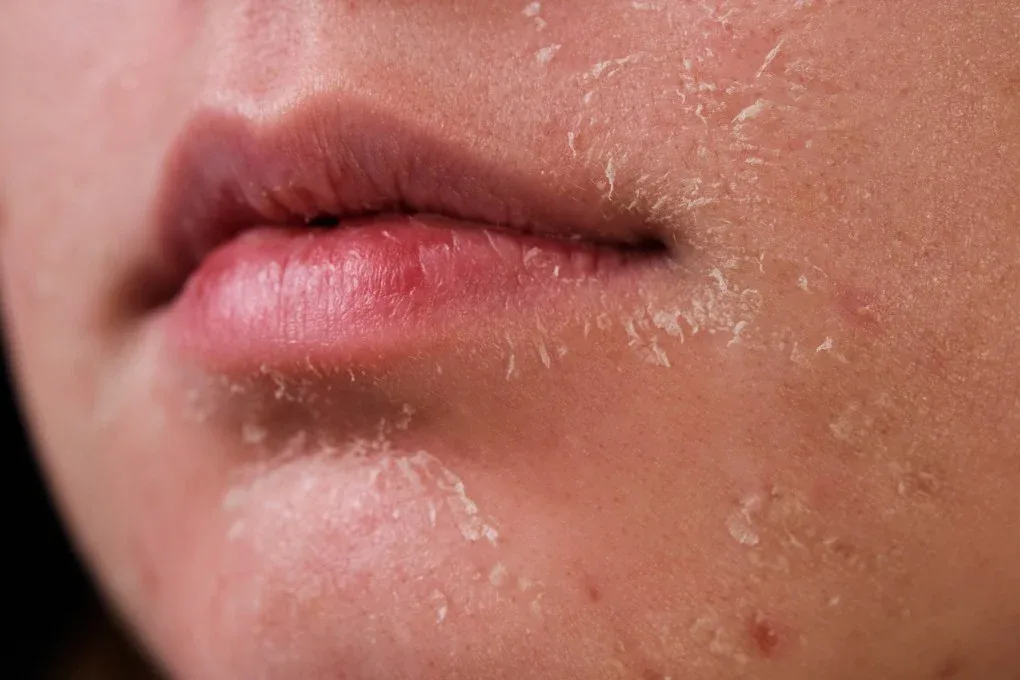
You shower. Your skin feels tight and itchy. You apply lotion. It helps for an hour, then the dryness returns. You assume your skin is just dry. Usually the problem is your body wash.
This guide explains why body wash dries the skin, what causes it, and how to fix it.
How Body Wash Works
Body wash contains surfactants (cleansing agents). Surfactants are molecules with two ends: a hydrophilic (water-loving) end and a hydrophobic (oil-loving) end. The hydrophobic end binds to oil and dirt on the skin. The hydrophilic end binds to water. When you rinse, the surfactant carries the oil and dirt away.
This is how body wash cleans. But surfactants also remove the skin's natural oils (sebum). Sebum is the lipid layer that protects the skin and prevents water loss. When sebum is stripped, the skin barrier is damaged. Water escapes (transepidermal water loss). The skin becomes dry and itchy.
Cause One: Harsh Sulfates
Sulfates are the most common surfactants in body wash. The two most common are.
- SLS (sodium lauryl sulfate): a strong surfactant. It strips oil aggressively. It is also a known irritant.
- SLES (sodium laureth sulfate): slightly milder. Still stripping. The "eth" (ethoxylation) makes it gentler but it still removes sebum.
Sulfates clean well but strip the skin. If your body wash contains SLS or SLES, it is likely causing dryness.
Switch to a sulfate-free body wash. Look for "sulfate-free" on the label. These use milder surfactants (cocamidopropyl betaine, sodium cocoyl isethionate) that clean without stripping.
Cause Two: High pH
Skin has a natural pH of 4.5 to 5.5 (acidic). Many body washes are alkaline (pH 8 to 10). Alkaline cleansers disrupt the acid mantle (the protective film on the skin). The barrier is damaged. Water escapes. The skin becomes dry and itchy.
Soap bars are the most alkaline (pH 9 to 10). Liquid body washes are usually less alkaline (pH 6 to 8). But some are still too high.
Look for "pH-balanced" on the label. A pH of 5 to 6 is ideal. You can test with pH strips.
Cause Three: Hot Water
Hot water strips the skin's natural oils. It also dilates blood vessels, causing redness and itching. The hotter the water, the more oil is removed.
Use lukewarm water. It cleans effectively without stripping. If your skin is red after showering, the water is too hot.
Cause Four: Fragrance and Alcohol
Fragrance is a common irritant. It causes allergic reactions and dryness in sensitive skin. Alcohol (ethanol or denatured alcohol) is also drying.
Choose fragrance-free body wash. If you want scent, choose a lightly scented wash with natural fragrance (essential oils) rather than synthetic fragrance.
Avoid body washes with alcohol in the top 5 ingredients. Alcohol evaporates quickly and strips the skin.
Cause Five: Over-Cleansing
Washing too often or too long strips the skin. Showering once a day is enough for most people. Showering twice a day (or more) removes too much sebum.
Limit showers to 5 to 10 minutes. Longer showers increase water loss from the skin. The skin becomes pruny and dry.
Cause Six: Not Moisturizing After
Showering removes the skin's natural oils. Even a gentle body wash leaves the skin slightly dry. Moisturizing after showering restores the barrier.
Apply moisturizer within 3 minutes of showering. The skin is still damp and absorbs better. If you wait, the skin dries and the moisturizer sits on top.
How to Choose a Body Wash
Not all body washes are equal. Check the ingredient list.
- Look for gentle surfactants (cocamidopropyl betaine, sodium cocoyl isethionate). These clean without stripping.
- Look for hydrating ingredients (glycerin, ceramides, shea butter). These support the barrier.
- Look for soothing ingredients (colloidal oatmeal, aloe vera). These calm irritated skin.
- Avoid SLS and SLES. These are harsh surfactants.
- Avoid fragrance and alcohol. These are irritants.
Good options include CeraVe Hydrating Body Wash, Cetaphil Ultra Gentle Body Wash, and Vanicream Gentle Body Wash.
The Right Shower Routine
- Use lukewarm water. Not hot.
- Use a gentle, pH-balanced, sulfate-free body wash.
- Use a small amount. A quarter-sized amount is enough for the whole body.
- Wash with your hands or a soft cloth. Avoid rough loofahs or brushes.
- Rinse thoroughly. Residue causes irritation.
- Pat dry. Do not rub.
- Apply moisturizer within 3 minutes. Use a cream or lotion, not a gel.
- Wait 3 to 5 minutes before dressing.
Body Wash Types
- Gel wash: lightweight. Good for oily skin. Can be drying if it contains sulfates.
- Cream wash: rich. Good for dry skin. Less stripping.
- Oil wash: very gentle. Good for very dry or sensitive skin. Does not foam.
- Bar soap: alkaline. Most stripping. Avoid for dry skin.
Choose the type that matches your skin type. Dry skin benefits from cream or oil washes. Oily skin benefits from gel washes (if sulfate-free).
Ingredients That Help
Some body wash ingredients are gentler and more hydrating.
- Glycerin: a humectant that draws water to the skin. Improves hydration.
- Ceramides: lipids that repair the skin barrier. Good for dry skin.
- Shea butter: an emollient that softens the skin. Good for very dry skin.
- Colloidal oatmeal: soothing. Good for sensitive and itchy skin.
- Aloe vera: hydrating and soothing. Good for irritated skin.
Look for these ingredients in the top 5 of the ingredient list.
Common Mistakes That Make It Worse
- Using a soap bar. Soap is too alkaline. Use a liquid body wash.
- Using hot water. Use lukewarm.
- Using a harsh, sulfate body wash. Switch to sulfate-free.
- Not moisturizing after. Moisturize within 3 minutes.
- Showering too long. Limit to 5 to 10 minutes.
- Using a rough loofah. Use hands or a soft cloth.
When to See a Dermatologist
See a dermatologist if your skin is very dry, itchy, or inflamed. See one if body wash causes persistent redness or rashes. See one if you have eczema, psoriasis, or other skin conditions.
A dermatologist can recommend products and treatments tailored to your skin.
Frequently Asked Questions
Is bar soap bad for your skin?
Bar soap is alkaline (pH 9 to 10). It disrupts the acid mantle and dries the skin. Liquid body wash (pH 5 to 7) is gentler. If you prefer bar soap, choose a "syndet" bar (synthetic detergent) which is pH-balanced.
How often should I shower?
Once a day is enough for most people. Showering more than once a day strips the skin. If you shower after exercise, use a gentle body wash and moisturize after.
Should I use a body wash with fragrance?
No, if you have dry or sensitive skin. Fragrance is a common irritant. Choose fragrance-free body wash.
Does water temperature really matter?
Yes. Hot water strips more oil than warm water. Use lukewarm water. If your skin is red after showering, the water is too hot.
Dry, itchy skin after showering is a body wash problem, not a skin problem. Switch to a gentle, pH-balanced, sulfate-free wash. Use lukewarm water. Moisturize within 3 minutes. The skin stays soft and comfortable.