
Why Your Raw Denim Smells Like Ammonia After a Month: The Bacteria, Storage, and Rotation Fix
Key Takeaways
- Raw denim smells like ammonia or sour milk when bacteria ferment sweat trapped in the fabric because the fabric is so dense that the sweat never fully evaporates between wears.
- Wearing raw denim daily without rotation gives bacteria 24-hour access to moist fabric and produces odor that is not removed by spot cleaning or hanging.
- The fix is a two-pair rotation with 48-hour airing between wears, storage in a breathable garment bag, and a cold soak only when odor persists after three months of proper rotation.
- A cold soak preserves fade patterns, removes surface bacteria, and restores fabric pH without the agitation and shrinkage risk of warm washing.
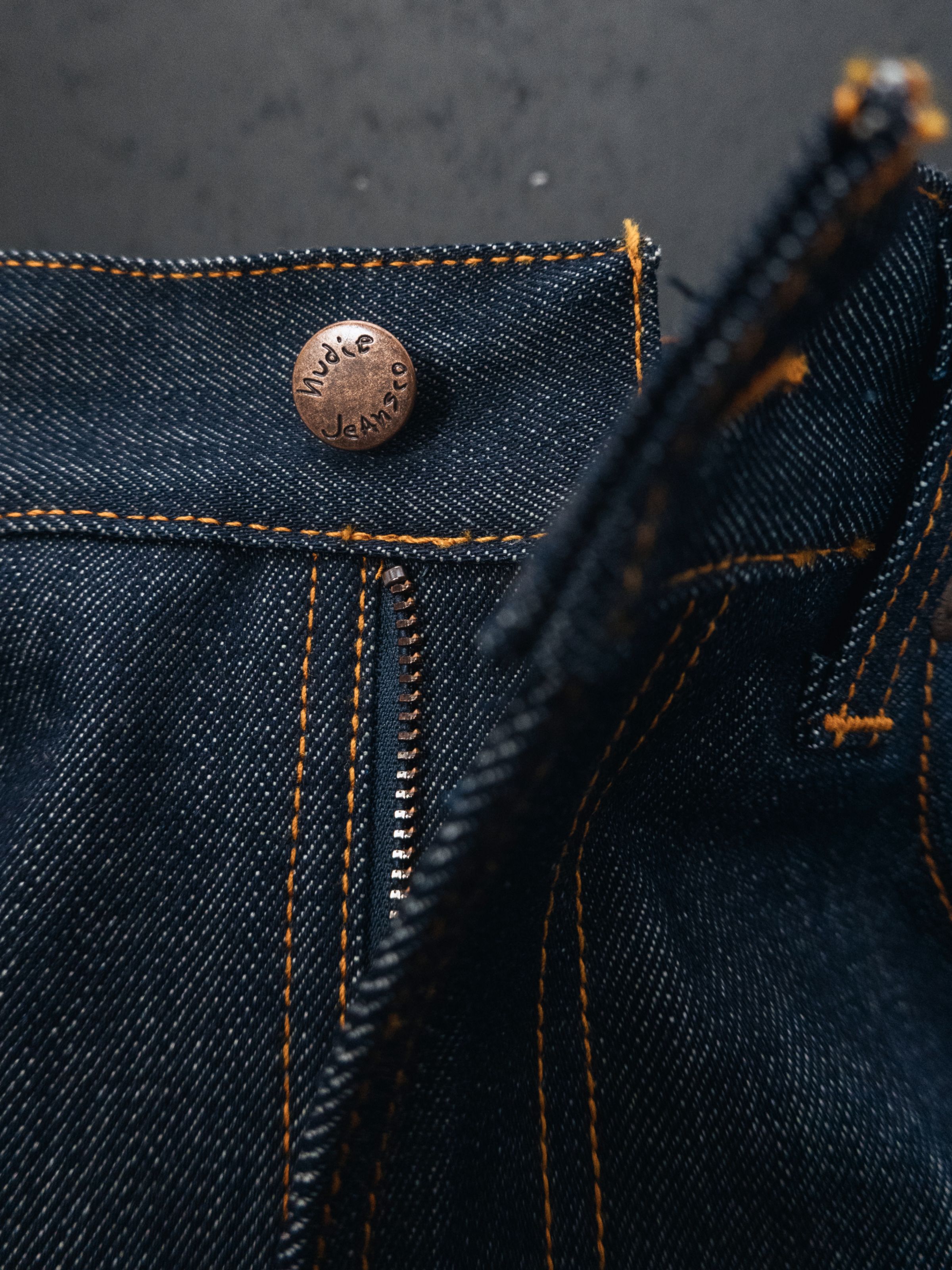
Raw denim has no finishing treatments. No stone washing, no enzyme washing, no bleach. The fabric is in its natural state, and that natural state is denser and more porous than the processed denim sold by most mainstream brands. The density is what makes raw denim desirable for fades. It is also what makes raw denim prone to odor. Raw denim absorbs more sweat than washed denim because the fibers are untreated and the weave is tighter. The sweat does not evaporate quickly between wears because the fabric is so dense that air cannot reach the inner layers. Within a few days of daily wear, bacteria begin to ferment the trapped sweat. Within a few weeks, the odor is noticeable. Within a month, the odor is ammonia-like and persistent.
A 2017 study in the Journal of Applied Microbiology found that cotton denim worn for 12 hours and stored in a closed environment for 24 hours developed bacterial counts of 2.4 million colony-forming units per square centimeter. The dominant organisms were Staphylococcus epidermidis and Corynebacterium species, both of which produce odorous metabolites. The ammonia smell is specifically from the breakdown of urea in sweat by urease-producing bacteria. Urease converts urea to ammonia. The ammonia is trapped in the dense denim weave and released when the fabric is warmed by body heat.
Washing raw denim is controversial because the same density that traps sweat also traps indigo dye. Agitation removes indigo and halts the fade pattern. Users who wash raw denim early sacrifice the fades they bought the jeans for. Users who do not wash raw denim at all eventually end up with jeans that smell and have hygiene issues. The fix is not frequent washing. It is rotation, airing, and a cold-soak protocol that preserves fades while controlling bacteria.
Why Raw Denim Smells Worse Than Washed Denim
Washed denim has been treated with enzymes, stones, or bleach that remove surface fibers and open the weave. The fabric is softer, lighter, and more breathable. Sweat evaporates from the surface more quickly. Raw denim is untouched. The fibers are longer, the weave is tighter, and the surface is harder. Sweat penetrates the outer layer and sits in the inner layers for hours after the jeans are removed.
The smell develops in three stages.
Stage 1: Fresh sweat, no odor. The jeans smell clean when removed because the bacteria have not had time to metabolize the sweat. This stage lasts for the first 24 hours of wear.
Stage 2: Sour or yeasty odor. Bacteria begin to break down the sweat within 24 to 48 hours. The odor is faint and sour, similar to wet laundry left in a basket. Most people do not notice it until the jeans are held up to the nose.
Stage 3: Ammonia odor. Urease-producing bacteria convert urea in sweat to ammonia. The ammonia is trapped in the dense weave and builds up over weeks of daily wear. The odor is strong, persistent, and noticeable from a distance. This is the stage that prompts users to wash their jeans prematurely.
The Rotation Protocol That Controls Odor
The goal is to give the denim enough time to dry between wears without giving up the daily wear habit.
Two-pair rotation. Wear raw denim no more than two consecutive days. Rotate to a second pair of raw denim or a different pair of trousers on the third day. A two-pair rotation gives each pair 24 to 48 hours of rest between wears. The rest period allows the sweat to evaporate and the bacteria population to decline. A single pair worn daily never dries completely.
48-hour airing after each wear. After removing the jeans, turn them inside out and hang them in a well-ventilated area away from direct sunlight. Direct sunlight fades denim unevenly and weakens the fabric. Indirect sunlight or a well-ventilated closet is better. The jeans need air circulation on all surfaces, including the inner thigh and crotch areas where sweat accumulates most. Do not hang raw denim in a closed garment bag. The bag traps moisture and accelerates bacterial growth.
Do not fold raw denim while it is still damp. Folding damp denim presses the moist surfaces together and creates a micro-environment where bacteria thrive. Hang raw denim until it is completely dry, then fold for storage.
Spot clean only. If the jeans get a stain on the surface, spot clean with a damp cloth and a small amount of mild soap. Do not scrub aggressively. Spot cleaning removes surface contamination without affecting the indigo or the fade pattern.
The Cold Soak Protocol for Persistent Odor
A cold soak is the most effective way to remove bacterial buildup without damaging raw denim. The cold water does not shrink the fabric significantly, and the lack of agitation preserves the fade pattern.
When to soak: Soak raw denim only when the odor persists after three months of proper rotation and airing. Soaking every few weeks removes indigo and halts fade development. Soaking once every three to four months removes bacteria without affecting fades.
How to soak:
- Turn the jeans inside out.
- Fill a bathtub or large bucket with cold water. Do not use warm or hot water. Warm water shrinks raw denim and removes indigo.
- Add a small amount of a pH-neutral detergent formulated for delicate fabrics. Do not use regular laundry detergent. Regular detergent is too alkaline and can affect the indigo.
- Submerge the jeans completely. Use a weight to keep them under water.
- Soak for 60 to 90 minutes. Do not agitate. Agitation causes friction that removes indigo.
- Drain the water and refill with cold rinse water. Do not wring or twist the jeans. Gently press them under water to rinse.
- Hang the jeans to dry in a well-ventilated area away from direct sunlight. Do not use a dryer. Dryer heat shrinks raw denim and removes indigo.
Alternative: freezer method. Some raw denim enthusiasts freeze their jeans for 24 hours to kill bacteria. Freezing does not remove odor-causing bacteria completely. It suppresses them temporarily. The bacteria return when the jeans warm up and are worn again. Freezing is better than no intervention but not as effective as a cold soak for persistent odor.
Storage Solutions for Raw Denim
Proper storage prevents odor between wears and during off-season periods.
Breathable garment bag: Store raw denim in a cotton or linen garment bag. Do not use a plastic garment bag. Plastic traps moisture and creates a micro-environment for bacterial growth. A cotton bag allows air circulation while protecting the jeans from dust.
Closet placement: Hang raw denim in a closet with good air circulation. Do not store raw denim in a damp basement, a hot attic, or a closed suitcase. High humidity accelerates bacterial growth. High heat accelerates indigo fading.
** Cedar blocks or lavender sachets:** These reduce odor and protect against moths for stored denim. They do not kill bacteria. They are a supplemental measure, not a replacement for rotation and airing.
Frequently Asked Questions
How often should I wash raw denim?
Most raw denim enthusiasts wash their jeans for the first time after three to six months of daily wear. The first wash removes most of the indigo and sets the fade pattern. After the first wash, raw denim can be washed every two to three months without significant fade loss. The key is cold water, no agitation, and air drying.
Will a cold soak ruin my fades?
A properly executed cold soak with no agitation preserves fades. The indigo loss from a cold soak is minimal compared to a warm wash with agitation. The fades may darken slightly because the indigo that was on the surface of the fabric is removed, revealing the white core of the yarn. The contrast between faded and unfaded areas increases.
Can I wear the same raw denim every day if I air them out?
Wearing raw denim every day is possible if you air them for 48 hours between wears and store them in a breathable environment. Most people find that a two-pair rotation is more manageable and produces better odor control. If you must wear the same pair daily, air them inside out on a hanger overnight and spot clean between washes.
Why do my raw denim jeans smell like smoke after a fire or barbecue nearby?
Raw denim absorbs odors more readily than washed denim because the untreated fibers are more porous. Smoke, cooking odors, and environmental chemicals bind to the indigo and the cellulose fibers. The odors are difficult to remove without washing. A 24-hour hang in fresh air and a cold soak will remove most odors. Do not wear raw denim in smoky environments if you want to preserve the natural scent of the fabric.
Raw denim smells like ammonia because it is doing what dense, untreated cotton is designed to do: absorb and retain moisture. The bacteria are not a defect in the fabric. They are a by-product of daily wear without adequate rest periods. The fix is rotation, airing, and cold soaking only when necessary. The fades remain. The smell goes away. The jeans last longer.