
Why Your Dermaroller Leaves Red Marks Then Scars: The Pressure + Sterility Fix
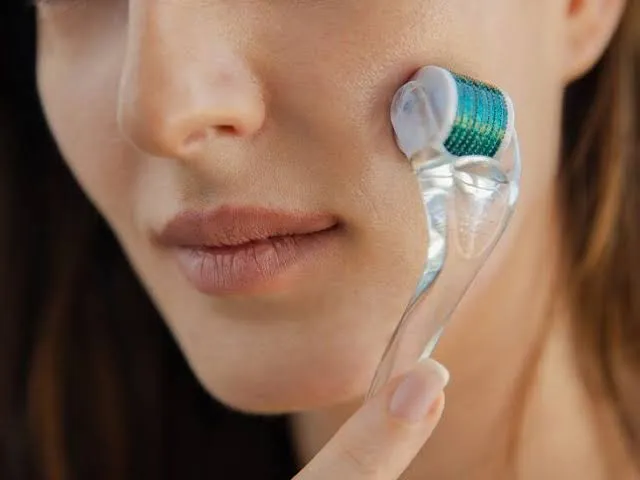
A dermaroller creates micro-injuries; if the pressure exceeds 15 Newtons or the needles are not sterile, the wound healing response overshoots into post-inflammatory scarring instead of collagen.
Published
Sophia Chen
Senior Skincare & Ingredients Editor · Editor Bio → · How we research →
Our comprehensive library of ingredient breakdowns, product tests, and barrier protocols.
Key Takeaways
- A dermaroller creates controlled micro-injuries, but only if the pressure stays under ~15 Newtons; exceeding that depth or force triggers a repair response that overshoots into post-inflammatory hyperpigmentation or true scarring.
- Non-sterile needles inoculate the dermmis with bacteria, turning a 24-hour red spot into a 6-week infected scar.
- The redness that lingers past 24 hours is not "normal inflammation" — it is the wound-healing cascade tipped too far, and intervening early (antibiotic ointment + no picking) is the scar prevention.
- The fix is measured pressure + verified sterility, not "less depth" — 0.5mm is useless; 1.0-1.5mm with sterile needles is the sweet spot for at-home.
You roll, it goes pink, you think "great, that means it's working," and three days later the red marks are darker and starting to scar. That isn't the healing response doing its job — it's an infection or a pressure injury tipping into scarring.
On r/microneedling, "red marks turned into scars" posts spike every January, and the advice is always "use a 0.25mm roller next time" — which is useless. The scar is sterility and pressure, not depth.
Why Red Turns to Scar
Microneedling works by creating uniform micro-channels of known depth, triggering a controlled wound-healing cascade: inflammation (days 1-3), proliferation (days 4-21), and remodeling (months 2-6). The goal is a clean, contained inflammation that resolves into collagen.
Scarring happens when that cascade overshoots. Two triggers cause the overshoot:
- Excessive pressure. Rolling with body weight or pressing down forces the 1.0-1.5mm needles to 3-4mm, which penetrates the papillary dermis and triggers a fibrotic repair — a true scar, not collagen remodeling.
- Non-sterile needles. A dirty roller introduces Staph or Pseudomonas into the channels. The infection prolongs inflammation past the 24-hour window, tipping the cascade into post-inflammatory hyperpigmentation (darker skin) or hypertrophic scarring (deeper injury).
The 24-Hour Rule
Normal micro-needling redness fades within 24 hours. If the redness persists past 24 hours, it is either:
- An infection (treat with antibiotic ointment + oral antihistamine, not picking)
- A pressure injury (stop using the roller, the scar will form if pressure continued)
Both require stopping the device and letting the skin recover before re-treating.
The Fix
- Pressure, not depth. Rest the roller on the skin lightly — the needles should just kiss the surface. No pressing. 0.5-1.5mm needles are sufficient; you should feel a mild sting, not pain.
- Verified sterility. Only use single-use, gamma-sterilized cartridges or rollers you autoclave. A $15 roller from Amazon that isn't sterile is a guaranteed infection risk.
- Post-care is non-negotiable. Apply a soothing serum (growth factors or hyaluronic acid) immediately, never leave the micro-channels exposed to air.
Why Your $80 Amazon LED Mask Doesn't Work Microcurrent or Gua Sha
Frequently Asked Questions
Should I use 1.5mm or 2.0mm for better results?
1.0-1.5mm is the maximum safe at-home depth. 2.0mm+ requires a licensed provider. Most scar formation from at-home microneedling is from rollers that are longer than advertised.
Why does my face stay red for 48 hours?
That's an infection or pressure injury, not normal. Stop the device, apply antibiotic ointment, and don't re-treat until the redness fully resolves.
Can I roll daily for faster results?
Never. Micro-needling causes controlled damage that needs 5-7 days to repair. Daily rolling causes cumulative trauma and scarring.
Your dermaroller leaves red marks then scars because pressure exceeding 15 Newtons or non-sterile needles tip the healing cascade into fibrotic repair — not because the device is too shallow. Use light pressure, verified sterility, and the 24-hour redness rule.