
Why Your LED Mask Isn't Working (and the Wavelength Problem)
LED masks fail when the wavelength, dose, or duration is wrong. Red light (630-660nm) and near-infrared (830-850nm) have the most evidence.
Published
Sophia Chen
Senior Skincare & Ingredients Editor · Editor Bio → · How we research →
Our comprehensive library of ingredient breakdowns, product tests, and barrier protocols.
Key Takeaways
- LED masks fail when the wavelength, dose, or duration is wrong.
- Red light (630-660nm) stimulates collagen. Near-infrared (830-850nm) penetrates deeper. Blue light (415nm) kills acne bacteria.
- Most consumer LED masks are underpowered. They do not deliver enough energy to stimulate cellular change.
- Results take 4 to 12 weeks. LED therapy is not a quick fix.
- LED masks are a supplement, not a replacement for sunscreen, retinol, or proper skincare.
You bought an LED mask. You used it for a month. Your skin looks the same. You wonder if LED therapy is just hype. Usually it is not. The problem is the wavelength, the dose, or the timeline.
This guide explains how LED therapy works, why it fails, and how to use it correctly.
What LED Therapy Is
LED (light-emitting diode) therapy uses specific wavelengths of light to treat skin concerns. Different wavelengths penetrate the skin to different depths and have different effects.
LED therapy is non-invasive. It does not damage the skin. It works by stimulating cellular processes.
The most studied wavelengths are.
- Red light (630-660 nm): penetrates 1 to 2 mm. Stimulates fibroblasts (collagen-producing cells). Reduces inflammation. Improves texture and fine lines.
- Near-infrared (830-850 nm): penetrates 2 to 3 mm. Reaches deeper tissue. Stimulates collagen and elastin. Reduces inflammation.
- Blue light (415 nm): penetrates 0.5 to 1 mm. Kills Cutibacterium acnes (acne bacteria). Reduces acne.
- Yellow light (590 nm): penetrates 0.5 to 1 mm. Reduces redness and inflammation. Less studied.
How LED Therapy Works
LED therapy works through photobiomodulation. This is the process by which light energy is absorbed by cells and converted into cellular energy (ATP).
The light is absorbed by mitochondria (the energy-producing organelles in cells). This increases ATP production. More ATP means cells work more efficiently. Fibroblasts produce more collagen. Inflammation decreases. Skin repair accelerates.
The effect is dose-dependent. Too little light does nothing. Too much light can cause damage. The right dose (fluence) is measured in joules per square centimeter (J/cm²).
Why LED Masks Fail
LED masks fail for four reasons.
1. Wrong Wavelength
Many consumer LED masks use the wrong wavelengths. They may use wavelengths that are not well-studied or that do not penetrate deeply enough.
- Red light at 630 nm: penetrates 1 mm. Good for surface texture. Not deep enough for collagen stimulation.
- Red light at 660 nm: penetrates 2 mm. Better for collagen. The most studied wavelength.
- Near-infrared at 830 nm: penetrates 3 mm. Reaches the dermis. Best for collagen and elastin.
If your mask uses only 630 nm red light, it may not be strong enough. Look for masks that include 660 nm red and 830 nm near-infrared.
2. Underpowered
Most consumer LED masks are underpowered. They do not deliver enough energy to stimulate cellular change.
Professional LED devices deliver 30 to 100 mW/cm². Consumer masks deliver 5 to 30 mW/cm². The lower power means longer treatment times are needed.
If your mask is underpowered, 10 minutes may not be enough. You may need 20 to 30 minutes. Check the specifications. If the power is not listed, it is probably low.
3. Not Enough Time
LED therapy requires consistent, long-term use. The effects are cumulative.
- Weeks 1 to 2: no visible change. Cells are responding at the molecular level.
- Weeks 3 to 4: skin may look slightly brighter. Texture may improve.
- Weeks 5 to 8: visible improvement in fine lines and texture.
- Weeks 8 to 12: full results. Collagen has increased.
If you use an LED mask for 2 weeks and see nothing, that is normal. Give it 8 to 12 weeks.
4. Wrong Usage
LED therapy requires consistent use. 3 to 5 sessions per week. 10 to 20 minutes per session. Skipping sessions reduces effectiveness.
Also, the mask must be close to the skin. Light intensity decreases with distance (inverse square law). If the mask is 2 inches from your face, the dose is 1/4 of what it would be at 1 inch.
What LED Therapy Can and Cannot Do
LED therapy can:
- Improve skin texture and smoothness.
- Reduce fine lines and wrinkles (modestly).
- Reduce redness and inflammation.
- Improve acne (blue light).
- Promote wound healing.
- Improve skin tone and radiance.
LED therapy cannot:
- Replace sunscreen. UV damage is the primary cause of aging. LED does not protect against UV.
- Replace retinol. Retinol has stronger evidence for wrinkle reduction.
- Treat deep wrinkles. LED improves fine lines and texture. It does not fill deep lines.
- Work overnight. Results take 4 to 12 weeks.
How to Use an LED Mask Correctly
- Cleanse your face. Remove all makeup and sunscreen.
- Apply a serum (optional). Some serums (hyaluronic acid, vitamin C) may enhance LED results. But do not apply retinol or acids before LED. They can increase sensitivity.
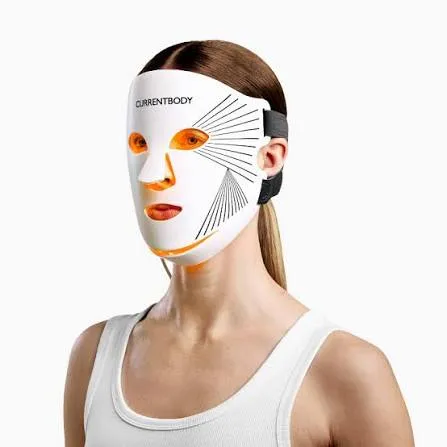
- Position the mask close to the skin. 1 to 2 inches from the face.
- Use for 10 to 20 minutes. Follow the manufacturer's instructions.
- Use 3 to 5 times per week. Consistency is key.
- Apply moisturizer after. LED can be slightly drying.
- Use sunscreen in the morning. LED does not protect against UV.
LED vs. Professional Treatments
Professional LED devices are stronger and more effective than consumer masks. They deliver higher power (30 to 100 mW/cm²) and are administered by trained professionals.
- Professional LED: 10 to 20 minutes per session. 1 to 2 sessions per week. Results in 4 to 8 weeks.
- Consumer LED mask: 10 to 30 minutes per session. 3 to 5 sessions per week. Results in 8 to 12 weeks.
Consumer masks are convenient and safe. But they are less effective than professional treatments. If you want faster results, see a dermatologist.
The Safety Question
LED therapy is generally safe. But there are precautions.
- Eye protection: LED light can damage the eyes. Wear the goggles provided with the mask.
- Photosensitivity: if you take photosensitizing medications (retinoids, antibiotics, certain herbs), LED may cause irritation. Consult a clinician.
- Pregnancy: LED therapy is generally safe during pregnancy. But consult your clinician.
- Seizures: flashing lights can trigger seizures in people with epilepsy. Avoid LED masks if you have a seizure disorder.
Common Mistakes That Make It Worse
- Using the wrong wavelength. Red (660 nm) and near-infrared (830 nm) have the most evidence.
- Not using enough. 10 to 20 minutes, 3 to 5 times per week.
- Expecting overnight results. Give it 8 to 12 weeks.
- Using over makeup or sunscreen. Cleanse first.
- Holding the mask too far from the skin. Keep it close.
- Skipping sunscreen. LED does not protect against UV.
When to See a Dermatologist
See a dermatologist if LED therapy has not helped after 12 weeks. See one if you want professional LED treatments. See one if you have severe acne, deep wrinkles, or significant sun damage.
A dermatologist can recommend treatments that work.
Frequently Asked Questions
Do LED masks actually work?
Yes, when used correctly. Red light (660 nm) and near-infrared (830 nm) have evidence for collagen stimulation and texture improvement. Results take 8 to 12 weeks.
Which LED mask is best?
Look for masks with 660 nm red light and 830 nm near-infrared. Check the power output (higher is better). Look for third-party testing or FDA clearance.
How often should I use an LED mask?
3 to 5 times per week. 10 to 20 minutes per session. Consistency is key.
Can LED masks cause damage?
No, when used correctly. LED therapy is non-invasive and does not damage the skin. But eye protection is essential.
LED therapy works when the wavelength, dose, and duration are right. Use 660 nm red and 830 nm near-infrared. 10 to 20 minutes, 3 to 5 times a week. Give it 8 to 12 weeks. The results are real but modest.