
Why Your Lipstick Bleeds Into Fine Lines (and the Prep Step That Stops It)
Lipstick bleeds when lips are dry, unlined, or the formula is too creamy. Lining, blotting, and powdering create a barrier that keeps color in place.
Published
Sophia Chen
Senior Skincare & Ingredients Editor · Editor Bio → · How we research →
INCI-vetted cosmetics, clean certification checklists, and breathable coverage.
Key Takeaways
- Lipstick bleeds when it migrates into the fine lines around the lips (perioral lines).
- Dry, flaky lips absorb lipstick unevenly. The color pools in cracks and bleeds outward.
- Creamy formulas bleed more than matte or long-wear formulas.
- Lip liner creates a waxy barrier that stops color from migrating.
- Powdering the lips before applying lipstick reduces bleeding significantly.
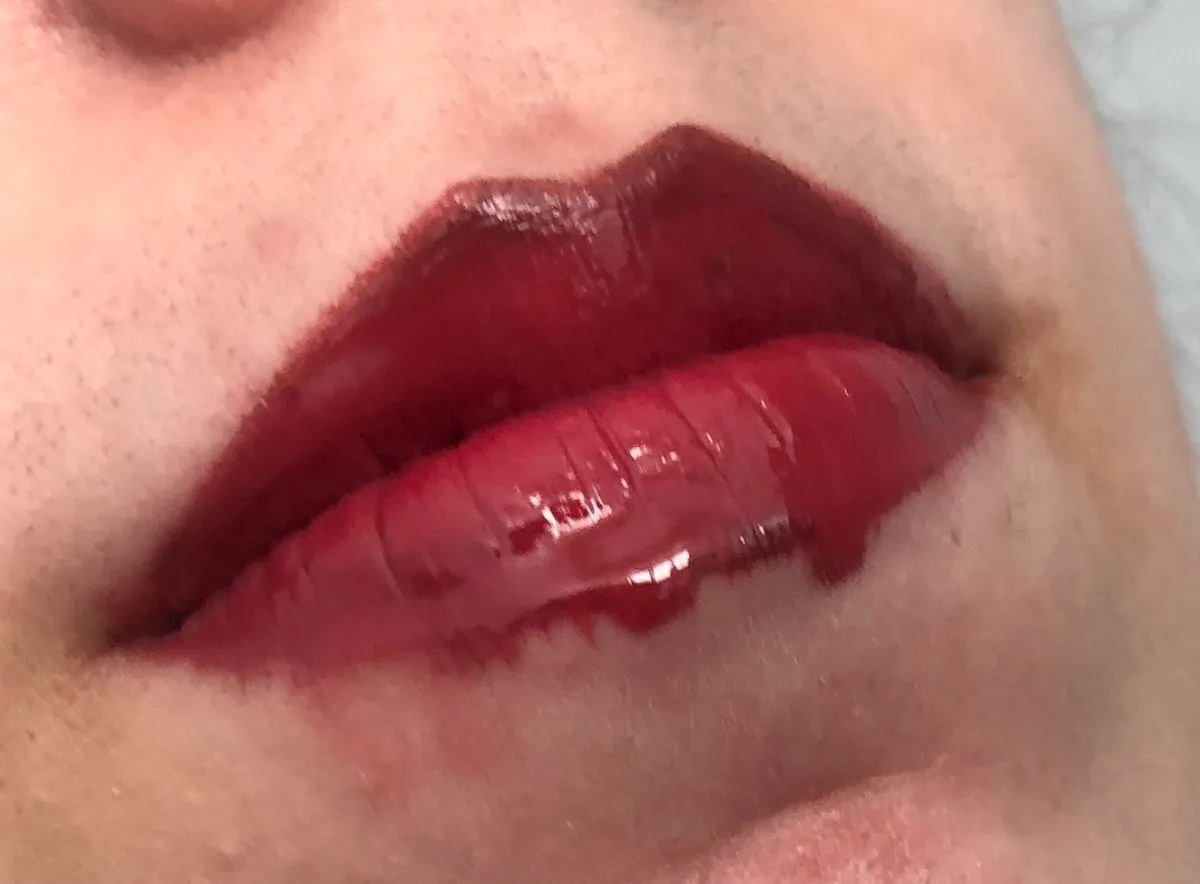
You apply lipstick. It looks perfect. An hour later, it has feathered into the fine lines around your mouth. The color has migrated beyond your lip line. You look like you colored outside the lines. The problem is not the lipstick. It is the prep.
This guide explains why lipstick bleeds, what causes it, and how to stop it.
What Bleeding Is
Bleeding (also called feathering or migration) is when lipstick moves beyond the lip line into the fine lines around the mouth. These lines (perioral lines) are the vertical wrinkles above and below the lips. They are more visible with age and more pronounced in smokers.
Lipstick is a mixture of wax, oil, and pigment. The oil component makes it creamy and comfortable. But oil also migrates. It seeps into fine lines and carries pigment with it. The result is color outside the lip line.
Cause One: Dry Lips
Dry, flaky lips absorb lipstick unevenly. The color pools in cracks and dry patches. The uneven application causes the lipstick to break apart and bleed.
The fix is to exfoliate and moisturize before applying lipstick. Use a gentle lip scrub or a soft toothbrush to remove flakes. Apply a thin layer of lip balm. Wait 5 minutes for it to absorb. Blot off excess balm before applying lipstick.
If your lips are very dry, apply balm at night and let it work overnight. In the morning, your lips are smooth and ready for color.
Cause Two: No Lip Liner
Lip liner is a waxy pencil that creates a barrier around the lip line. It fills in fine lines and prevents lipstick from migrating. Without it, lipstick has nothing to stop it.
Choose a lip liner that matches your lipstick or your natural lip color. Line the outer edge of the lips. Then fill in the entire lip with liner. This creates a base that holds the lipstick in place.
Clear or invisible lip liners work for any lipstick color. They create a barrier without adding color.
Cause Three: Creamy Formula
Creamy, glossy, and satin lipsticks bleed more than matte or long-wear formulas. The higher oil content makes them more prone to migration.
Matte lipsticks have less oil and more wax. They stay in place longer. Long-wear (liquid) lipsticks dry down to a film that does not bleed.
If bleeding is a constant problem, switch to matte or long-wear formulas. Save creamy formulas for days when you can touch up.
Cause Four: Applying Too Much
Thick layers of lipstick bleed more. The excess product has nowhere to go. It pools at the edges and migrates into fine lines.
Apply thin layers. One swipe is enough. Blot with a tissue between layers. This removes excess oil and sets the color.
Cause Five: Not Setting the Lipstick
Lipstick that is not set migrates. Setting with powder locks the color in place.
After applying lipstick, place a single ply of tissue over the lips. Dust translucent powder over the tissue. The powder sets the lipstick without dulling the color. Remove the tissue.
This step takes 10 seconds and prevents bleeding for hours.
Cause Six: Lip Condition
Lips with fine lines, wrinkles, or texture are more prone to bleeding. The color falls into the lines and migrates.
A lip primer fills in fine lines and creates a smooth surface. Apply it before lip liner. It also helps lipstick last longer.
Some lipsticks contain plumping ingredients (like cinnamon or menthol) that irritate the lips and cause swelling. Swollen lips have more pronounced fine lines. Avoid plumping formulas if you are prone to bleeding.
The Reverse Lining Trick
Line just outside the lip line with a clear lip liner. This creates a barrier beyond the natural lip edge. The lipstick cannot migrate past it.
This trick is especially useful for bold colors (red, berry) that show bleeding more than nudes.
The Overnight Lip Prep
If your lips are very dry or lined, prep them the night before.
- Exfoliate gently with a lip scrub.
- Apply a thick layer of lip balm or lip mask.
- Sleep with it on.
- In the morning, wipe off the excess. Your lips are smooth and hydrated.
This overnight prep makes lipstick apply evenly and reduces bleeding significantly.
Lipstick Formula Guide
Different formulas behave differently on the lips.
- Matte: least bleeding. Longest wear. Can be drying. Use lip balm underneath.
- Satin: moderate bleeding. Comfortable. Good for everyday wear.
- Creamy: most bleeding. Most comfortable. Best for short wear or touch-ups.
- Gloss: high bleeding. Shiny. Use over liner for best results.
- Long-wear (liquid): least bleeding. Dries to a film. Can be drying. Use balm underneath.
If bleeding is a constant problem, switch to matte or long-wear. If comfort is the priority, use creamy with liner and powder.
The Right Application Routine
- Exfoliate lips gently. Remove flakes.
- Apply lip balm. Wait 5 minutes. Blot excess.
- Apply lip primer (optional but helpful for fine lines).
- Line the lips with lip liner. Fill in the entire lip.
- Apply lipstick in a thin layer.
- Blot with tissue.
- Apply a second thin layer.
- Set with powder through a tissue.
Common Mistakes That Make It Worse
- Skipping lip liner. Liner is the most important step for preventing bleeding.
- Applying lipstick to dry lips. Exfoliate and moisturize first.
- Using creamy formulas. Switch to matte or long-wear.
- Applying too much product. Thin layers last longer.
- Not setting with powder. Powder locks the color in place.
- Licking your lips. Saliva breaks down lipstick and causes migration.
When to See a Dermatologist
Bleeding is a makeup issue, not a skin problem. But if you have deep perioral lines that bother you, a dermatologist can recommend treatments (laser, filler, or retinol) to reduce them. See one if you want to address the lines themselves, not just the makeup.
Frequently Asked Questions
Does lip liner really prevent bleeding?
Yes. Lip liner is waxy and creates a barrier. It fills fine lines and stops lipstick from migrating. It is the single most effective step.
Which lipstick formula bleeds the least?
Matte and long-wear (liquid) formulas bleed the least. They have less oil and more wax or film-forming agents. Creamy and glossy formulas bleed the most.
Can I use concealer to stop bleeding?
Yes. Apply a thin layer of concealer around the lip line before lip liner. This fills in fine lines and creates a smooth base. Set with powder before applying lipstick.
Why does my lipstick bleed more as I get older?
Fine lines deepen with age. More lines mean more channels for lipstick to migrate into. Lip liner and primer become more important with age.
Lipstick bleeding is a prep problem, not a product problem. Exfoliate, moisturize, line, apply thin layers, and set with powder. The color stays where you put it.