
Does Shapewear Weaken Your Core? What Daily 'Snatched Waist' Wear Really Does
Shapewear doesn't strengthen your core, and tight all-day wear can bring reflux, skin irritation and thigh tingling. Occasional wear is fine for most.
Published · Updated
Marcus Vance
Fabric Longevity & Grooming Editor · Editor Bio → · How we research →
Our comprehensive library of ingredient breakdowns, product tests, and barrier protocols.
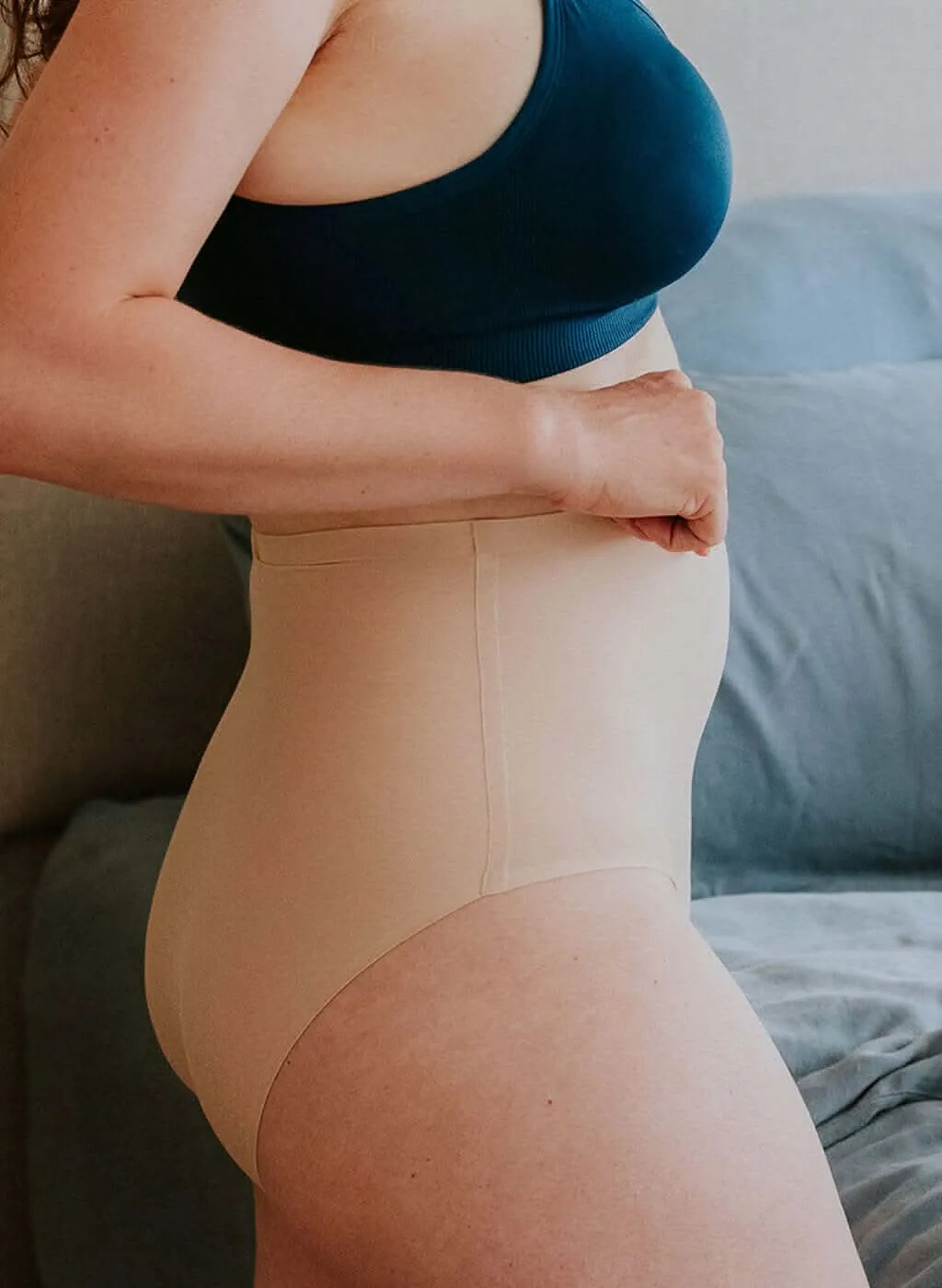
Key Takeaways
- Shapewear reshapes soft tissue with compression. It doesn't strengthen muscles or remove fat, and the effect ends when you take it off.
- Tight garments around the waist can make heartburn and acid reflux worse by pressing on the stomach.
- Very tight clothing around the hips and thighs can press on a nerve in the outer thigh, causing tingling, numbness or burning, a condition called meralgia paresthetica.
- Wearing shapewear for an event is fine for most people; numbness, persistent pain or frequent reflux are reasons to stop and see a doctor.
Does Shapewear Weaken Your Core?
There's no good evidence that wearing ordinary shapewear makes your core muscles waste away. The idea is popular online, but it hasn't been well studied, and a garment you wear to a wedding or on a long workday isn't going to undo your muscle strength.
Some people do say their midsection feels less "held in" when they take shapewear off after long days of wear. Part of that is simple contrast: you've spent hours in firm compression, and your body without it feels different. What is certain is that compression doesn't train anything. Only using your muscles builds strength, so shapewear can smooth your silhouette but can't give you a stronger core.
The more practical concerns with daily, tight shapewear are the physical side effects. Most are mild and go away once you loosen up or take the garment off, but they're worth knowing about.
What Are the Side Effects of Wearing Shapewear Every Day?
- Heartburn and acid reflux. Pressure on the abdomen can push stomach contents upward, which is why loose clothing around the waist is standard advice for people with reflux. You may notice it most after meals.
- Discomfort after eating. A firm waistband can feel much tighter after a large meal, and some people feel bloated or uncomfortable until they take it off.
- Tingling, numbness or burning in the outer thigh. Tight clothing around the hips can compress the nerve that supplies sensation to the outer thigh. This is known as meralgia paresthetica, and tight belts and garments are a recognized cause.
- Skin irritation. Warm, damp skin under snug fabric is prone to chafing, sweat rash and irritated hair follicles. Skin folds can develop fungal rashes. If you already get sweat-related breakouts, our guide to clearing back and chest breakouts covers gentle cleansing.
- Restricted breathing. Firm compression around the ribs and abdomen can make it harder to take a full, deep breath. If you feel short of breath or light-headed, take it off.
- Bladder pressure. Snug garments press on the bladder, and shapewear that's hard to get in and out of can tempt people to put off bathroom trips.
Is a Waist Trainer Different from Shapewear?
Yes. Waist trainers and cinchers are usually far more rigid than everyday shapewear, and they're marketed with claims that don't hold up. Medical compression garments are a separate category altogether.
| Everyday shapewear | Waist trainer or cincher | Medical compression garment or binder | |
|---|---|---|---|
| Typical construction | Stretch fabric briefs, shorts, bodysuits and slips | Rigid panels or boning with hook-and-eye closures | Fitted or recommended by a clinician |
| Compression | Light to firm | Very firm | Set for a medical purpose |
| Main purpose | Smoother lines under clothes | Marketed to "train" a smaller waist | Support healing or reduce swelling after surgery or birth |
| Lasting change to waist size | None | None; shape returns once removed | Not intended for shaping |
| What to watch for | Reflux, chafing, thigh tingling | The same risks, often more intense, plus rib discomfort and restricted breathing | Follow your surgeon's or doctor's instructions |
Waist trainers don't burn fat. Any drop in size right after wearing one comes from compression, and any sweat you lose is water that comes back when you drink.
How Long Can You Wear Shapewear Safely?
There's no official time limit, and tolerance varies from person to person. These habits keep the risks down:
- Wear it for the occasion, not as all-day, everyday underwear, and don't sleep in it.
- Buy your actual size using the brand's size chart. Sizing down for a smaller look increases the pressure without much extra smoothing.
- Choose lighter compression for long days, and save firm control pieces for shorter events.
- Take it off if something feels wrong. Tingling, numbness, pain, shortness of breath or heartburn are signals to remove it, not push through.
- Pick styles you can get in and out of easily, so you don't delay bathroom trips.
Often the silhouette you're after can come from clothing rather than compression. Our guide to dressing for your body shape with structure and tailoring covers cuts that shape without squeezing.
How Do You Build Real Core Strength Instead?
Your core includes the deep abdominal muscles, the obliques, the muscles along your spine, your diaphragm and your pelvic floor. Training them improves stability and posture in a way no garment can.
- Breathing and bracing. Learn to breathe into your lower ribs and gently tighten your midsection before lifting.
- Dead bugs and bird dogs. Slow, controlled movements that train your core to hold steady while your limbs move.
- Side planks. Work the obliques and the muscles that stabilize your spine.
- Glute bridges. Strengthen the hips and back of the body, which support the core.
- Loaded carries. Walking while holding weights challenges your whole trunk.
Core training strengthens muscles but won't burn fat from one specific area; waist size depends on overall body composition. If you're pregnant, recently had a baby, have back pain, or notice pelvic floor symptoms such as leaking or heaviness, get guidance from a doctor or a pelvic floor physical therapist before starting.
What About Shapewear After Pregnancy or Surgery?
After a cesarean, abdominal surgery or cosmetic procedures, you may be advised to wear a binder or compression garment. That's a medical recommendation, so follow your clinician's instructions on fit and duration. If you're postpartum and worried about the gap between your abdominal muscles (diastasis recti), shapewear won't close it; ask your doctor or midwife about a referral to a pelvic floor physical therapist.
When Should You See a Doctor?
- Numbness, tingling or burning in your thigh or elsewhere that doesn't fade soon after you take the garment off, or that keeps coming back.
- Persistent pain in your abdomen, back or ribs.
- Frequent heartburn, or heartburn that continues when you're not wearing shapewear.
- Difficulty swallowing, repeated vomiting, black stools or unexplained weight loss. These need prompt medical attention.
- Chest pain, shortness of breath or fainting. Remove the garment and seek urgent care.
- A rash that spreads, broken skin, or signs of infection such as warmth, spreading redness or pus.
Frequently Asked Questions
Is it bad to wear shapewear every day?
For most people, occasional wear causes no lasting harm. Wearing tight shapewear all day, every day raises the chance of side effects such as heartburn, skin irritation and tingling in the thighs. If you want to wear it often, choose your true size and lighter compression, take breaks, and stop if anything feels painful, numb or hard to breathe in.
Can shapewear permanently change your waist shape?
No. Shapewear and waist trainers change your shape only while you're wearing them. They don't remove fat or reshape your body in any lasting, healthy way, and your usual shape returns once the garment comes off. Lasting changes in waist size come from changes in overall body composition, not from compression.
Can shapewear cause acid reflux?
It can make reflux worse. Tight garments around the waist press on the abdomen, which can push stomach acid upward, especially after meals. If you notice heartburn when you wear shapewear, try looser styles or skip it on days with big meals. See a doctor if reflux happens often or continues when you aren't wearing it.
Why does my stomach feel weaker without shapewear?
After hours of firm compression, your body can feel less supported when the garment comes off, and that contrast is noticeable. It isn't evidence that your muscles have shrunk. If you'd like to feel stronger and more stable through your midsection, regular core exercises will help in a way compression can't.
Shapewear can smooth your silhouette for an event, but it doesn't build strength, and tight all-day wear brings real if usually mild side effects. Wear it occasionally, in your true size, and take it off if you feel numbness, pain or reflux.
Correction, September 28, 2026: An earlier version said daily shapewear causes the core muscles to atrophy. We found no good evidence for that claim and have revised the article to focus on documented side effects. We also fixed a link that pointed to an unrelated article.