
Why Your Shave Causes Razor Burn (and the Blade Problem)
Razor burn comes from dull blades, dry shaving, and going against the grain. A sharp blade, warm water, and shaving cream fix it.
Published
Marcus Vance
Fabric Longevity & Grooming Editor · Editor Bio → · How we research →
Fast morning routines, beard maintenance, and tested product picks for men.
Key Takeaways
- Razor burn comes from dull blades, dry shaving, and going against the grain.
- A dull blade drags and tears hair instead of cutting cleanly. This irritates the skin.
- Multi-blade razors cause more irritation than single-blade safety razors.
- Shaving with the grain reduces irritation significantly.
- Warm water, shaving cream, and a sharp blade are the three essentials.
You shave. Your skin burns. It turns red. It stings. You assume your skin is sensitive. Usually the problem is your blade, your technique, or your prep.
This guide explains why shaving causes razor burn, what causes it, and how to fix it.
What Razor Burn Is
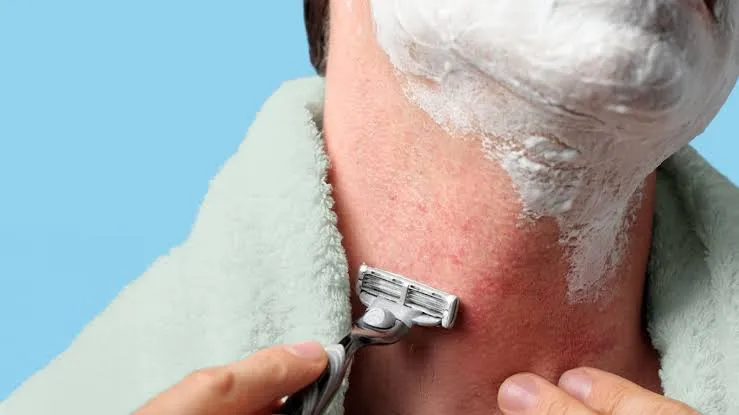
Razor burn is skin irritation caused by shaving. It appears as redness, burning, and stinging. It usually shows up on the neck, jawline, and cheeks. It can last from a few hours to a few days.
Razor burn is different from razor bumps (ingrown hairs). Razor burn is surface irritation. Razor bumps are inflamed hair follicles caused by hair growing back into the skin.
Cause One: Dull Blades
A dull blade is the most common cause of razor burn. A dull blade does not cut cleanly. It drags across the skin. It pulls and tears the hair. This irritates the skin and causes redness and burning.
A sharp blade cuts cleanly. It glides across the skin. It causes less irritation.
Replace your razor blade every 5 to 7 shaves. If the blade tugs, skips, or feels rough, it is dull. A sharp blade feels smooth.
Cause Two: Dry Shaving
Shaving dry skin causes friction. The razor drags instead of gliding. This tears the hair and irritates the skin. Irritated skin swells and becomes red.
Always wet the skin with warm water for 2 to 3 minutes before shaving. Warm water softens the hair and opens the follicle. Apply a shaving cream or gel. Let it sit for 30 seconds before shaving.
Never dry shave. Even a quick touch-up with a dry razor causes razor burn.
Cause Three: Multi-Blade Razors
Multi-blade razors (3, 4, or 5 blades) are designed for a close shave. But they also cause more irritation. Each blade passes over the same area, multiplying the irritation.
The "lift and cut" design (first blade lifts, second blade cuts) pulls the hair below the skin surface. This causes more irritation than a single blade that cuts at the surface.
Switch to a single-blade safety razor or an electric trimmer. A single blade causes less irritation. It cuts hair at the surface, not below it.
Cause Four: Shaving Against the Grain
Shaving against the grain (opposite to hair growth) gives the closest shave. But it also causes the most irritation. The razor pulls the hair up and cuts it below the skin surface. This irritates the skin and causes redness.
Shaving with the grain (in the direction hair grows) gives a less close shave but significantly less irritation.
If you have sensitive skin, shave with the grain only. If you need a closer shave, go across the grain (perpendicular to growth) on the second pass. Never go against the grain if you get razor burn.
Cause Five: Wrong Shaving Cream
Canned shaving cream (aerosol foam) is convenient but not ideal. It contains propellants and chemicals that can irritate the skin. It does not lubricate as well as a quality shaving cream.
Use a shaving cream or gel that lathers well. Look for ingredients like glycerin, aloe, or allantoin. These lubricate and soothe the skin.
Apply the cream with a brush if possible. A shaving brush exfoliates the skin and lifts the hair. This helps the razor cut cleanly.
Cause Six: Not Prepping the Skin
Shaving without prep causes irritation. The skin needs to be warm and soft. The hair needs to be softened. The follicle needs to be open.
Shave after showering, when the skin is warm and soft. Use warm water. Apply shaving cream. Let it sit for 30 seconds. Then shave.
Do not shave first thing in the morning. The skin is puffy from sleep. The hair is flat. Shaving is harder and more irritating.
Cause Seven: Pressing Too Hard
Pressing the razor hard against the skin causes friction and irritation. The razor should glide. You should not need to press.
Use light pressure. Let the razor do the work. If you need to press, the blade is dull. Replace it.
The Role of Skin Type
Different skin types react differently to shaving.
- Sensitive skin: prone to razor burn and irritation. Use a single-blade razor or electric trimmer. Shave with the grain. Use a gentle, fragrance-free shaving cream.
- Oily skin: produces more sebum. The oil can clog the razor. Rinse the blade frequently. Use a foaming shaving cream.
- Dry skin: lacks natural oils. The skin is more prone to irritation. Use a moisturizing shaving cream. Apply moisturizer after shaving.
- Acne-prone skin: shaving can spread bacteria. Use a clean, sharp blade. Shave gently. Avoid inflamed areas.
Match your shaving routine to your skin type. Sensitive skin needs the gentlest approach.
How to Choose a Razor
Not all razors are equal. Choose based on your skin type and shaving habits.
- Single-blade safety razor: least irritation. Cuts hair at the surface. Requires technique. Good for sensitive skin.
- Multi-blade cartridge razor: convenient. Close shave. More irritation. Good for resilient skin.
- Electric trimmer: no ingrowns. Less close. Good for neck and sensitive areas.
- Electric foil shaver: close shave. Less irritation than multi-blade. Good for daily shaving.
If you get razor burn, switch to a single-blade safety razor or electric trimmer. These cause less irritation.
The Right Shaving Routine
- Shower first. Let the skin warm and soften.
- Wet the face with warm water for 2 to 3 minutes.
- Apply shaving cream or gel. Let it sit for 30 seconds.
- Shave with the grain using light pressure. Use short strokes.
- Rinse the blade after every stroke.
- Rinse with cool water to close the follicles.
- Apply a soothing, alcohol-free after-shave or moisturizer.
Do not shave the same area more than twice. More passes mean more irritation.
How to Treat Razor Burn
- Stop shaving. Let the skin heal for 2 to 3 days.
- Apply a cool compress. This reduces redness and inflammation.
- Apply an aloe vera gel or a soothing moisturizer. Avoid alcohol-based products.
- Use a hydrocortisone cream (1 percent) if the burn is severe. Apply a thin layer twice a day.
- Do not pick or scratch. This causes infection and scarring.
Common Mistakes That Make It Worse
- Using a dull blade. Replace every 5 to 7 shaves.
- Dry shaving. Always wet and use cream.
- Shaving against the grain. Shave with the grain.
- Using a multi-blade razor. Switch to single-blade or electric.
- Pressing too hard. Use light pressure.
- Using alcohol-based aftershave. Use a soothing moisturizer.
When to See a Dermatologist
See a dermatologist if razor burn is frequent or severe. See one if you have persistent redness or scarring. See one if you have razor bumps (ingrown hairs) that do not heal. A dermatologist can prescribe topical antibiotics or recommend laser treatment.
Frequently Asked Questions
Is razor burn the same as razor bumps?
No. Razor burn is surface irritation (redness, burning). Razor bumps are inflamed hair follicles (ingrown hairs). They can occur together but have different causes.
How long does razor burn last?
1 to 3 days. It improves with rest and soothing products. If it lasts longer, see a dermatologist.
Can I shave with sensitive skin?
Yes. Use a single-blade razor or electric trimmer. Shave with the grain. Use a gentle, fragrance-free shaving cream. Apply moisturizer after.
Does shaving cream matter?
Yes. Shaving cream softens hair and reduces friction. Gel and foam work. Avoid soap, which dries the skin. Look for creams with glycerin or aloe.
Razor burn is a blade and technique problem, not a skin problem. Use a sharp single blade, shave with the grain, prep with warm water and cream, and use light pressure. The burn fades, and the skin stays smooth.