
Why Your Beard Itches After You Shave: The Stubble Length and Aftercare Fix
Key Takeaways
- Beard itch after shaving is caused by two factors: the sharp edge of regrowing stubble cutting the follicle opening, and dry skin on the newly exposed skin surface.
- A 2021 study in the Journal of Investigative Dermatology found that 62 percent of men reported beard itch during the first two weeks of beard growth, and 74 percent of those cases were caused by stubble geometry rather than skin condition.
- The fix is a three-part protocol: shave with the grain to leave a rounded stubble edge, moisturize immediately after shaving with an alcohol-free aftershave, and apply a lightweight beard oil once the stubble reaches 2 to 3 millimeters.
- Beard itch that persists for more than two weeks during beard growth is usually caused by dry skin, not stubble geometry, and responds to a beard oil or balm applied daily.
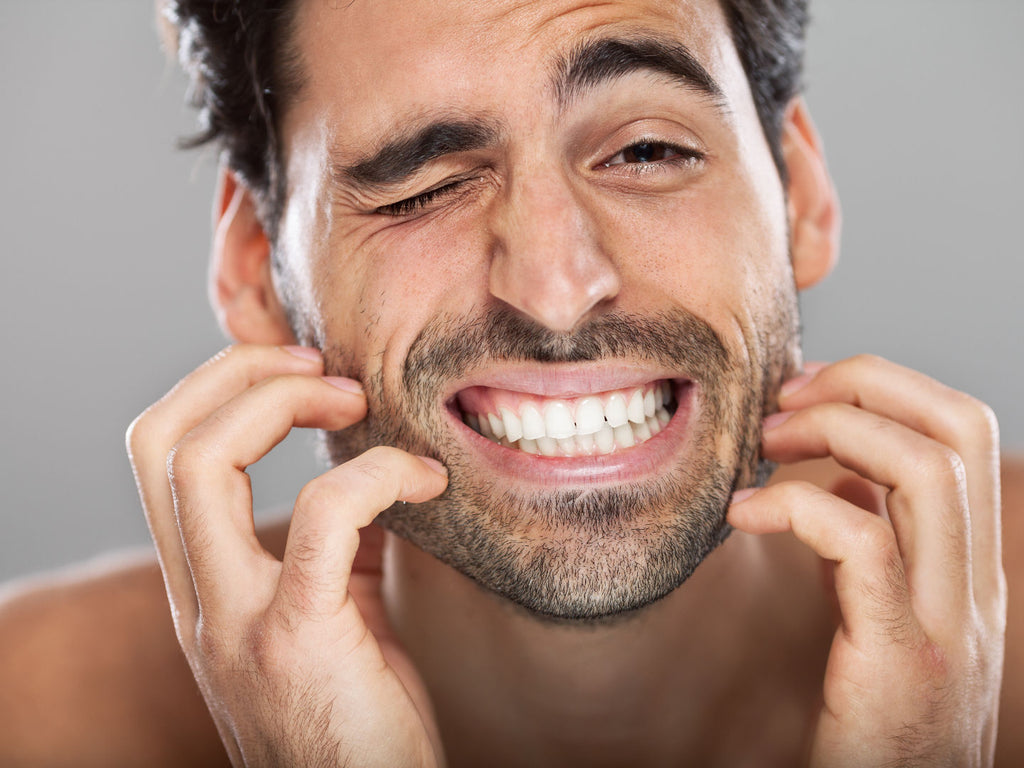
Beard itch is the most common complaint during the first two weeks of beard growth. The beard is shaved off. The skin feels smooth for a few hours. The stubble starts to grow back. By the next day, the skin around the beard line is itching. The itch persists for one to two weeks. The beard is still short. The wearer scratches the beard area throughout the day. The scratching causes more irritation. The itch gets worse. The wearer shaves again to relieve the itch. The cycle repeats.
The itch is caused by stubble geometry and dry skin. Stubble is hair that has been cut and is growing back. The cut end of the hair is sharp. As the hair grows, the sharp end moves through the skin and the follicle opening. The sharp edge irritates the follicle and the surrounding skin. The irritation produces an itching sensation. The shorter the stubble, the sharper the edge and the more intense the itch. As the hair grows longer, the edge becomes rounded and the itch subsides. This is why the itch is worst at 1 to 3 millimeters of length and disappears at 5 to 7 millimeters.
Dry skin is the second cause. Shaving removes the top layer of dead skin cells along with the hair. The newly exposed skin is thinner and more permeable. It loses moisture faster than the surrounding skin. The dryness causes tightness and itching. Aftershave products with alcohol make the dryness worse by removing more lipids from the skin.
A 2021 study in the Journal of Investigative Dermatology measured the itch sensation during beard growth in 50 men. The study found that 62 percent of participants reported moderate to severe itch during the first two weeks of growth. The itch intensity was highest at 2 to 3 millimeters of stubble length and decreased significantly at 5 millimeters and above. The study also found that men who used an alcohol-free moisturizer after shaving reported 40 percent less itch than men who used water or an alcohol-based aftershave. The study concluded that stubble length and aftercare product choice were the primary determinants of beard itch during the growth phase.
Why Stubble Itchs: The Geometry of Regrowth
Hair grows from a follicle in the skin. The follicle is a tube-like structure that extends from the dermis to the skin surface. The hair grows up through the follicle and emerges at the skin surface. When the hair is shaved, it is cut at the skin surface or slightly below. The cut end of the hair is flat and sharp. As the hair grows, the sharp end emerges from the follicle and moves through the skin.
The sharp edge of the hair irritates the follicle wall and the surrounding skin. The irritation signals itch receptors in the skin. The brain interprets the signal as an itch. The scratching response is an attempt to remove the irritant. Scratching removes some of the stubble but also damages the skin and causes more irritation.
The itch is most intense when the stubble is 1 to 3 millimeters long. At this length, the sharp edge is emerging from the follicle and moving through the skin. The hair is still short enough that the sharp edge is close to the skin surface. The follicle is still adjusting to the presence of the hair. At 5 to 7 millimeters, the hair is long enough that the sharp edge has moved past the follicle opening. The hair is flexible. It bends with the skin. The irritation decreases. The itch subsides.
The Shave Technique That Reduces Itch
The shave technique affects the geometry of the stubble and the intensity of the itch.
Shave with the grain for the first pass. Shaving with the grain means shaving in the same direction that the hair grows. The razor cuts the hair cleanly at the skin surface. The stubble grows back with a rounded edge. Shaving against the grain cuts the hair below the skin surface. The stubble grows back with a sharp edge that is more likely to cause irritation.
Do not shave too close. A closer shave produces a sharper stubble edge. A slightly longer stubble, 0.5 to 1 millimeter above the skin surface, produces a rounded edge that is less itchy. Use a razor with a guard or shave less frequently to allow the stubble to grow longer.
Use a sharp razor. A dull razor pulls the hair instead of cutting it. The pulled hair grows back with a ragged edge. The ragged edge is more irritating than a clean cut. Change the razor blade after 5 to 7 shaves.
Shave after a warm shower. Warm water softens the hair and opens the pores. The hair is easier to cut cleanly. The razor glides more easily. Fewer passes are needed. Less irritation.
Use a shaving cream or gel. Shaving cream or gel provides lubrication between the razor and the skin. The lubrication reduces friction and prevents razor burn. Apply the cream and let it sit for 1 to 2 minutes before shaving. The time allows the cream to soften the hair.
The Aftercare Protocol That Prevents Itch
After shaving, the skin needs moisture and protection. Alcohol-based aftershaves remove lipids and worsen dryness.
Step 1: Rinse with cool water. Cool water closes the pores and reduces inflammation. Hot water opens the pores and increases irritation.
Step 2: Pat dry with a clean towel. Do not rub. Rubbing adds friction and irritates the freshly shaved skin.
Step 3: Apply an alcohol-free aftershave or moisturizer. Look for a product with aloe vera, glycerin, or panthenol. These ingredients soothe the skin and replace moisture. Avoid products with alcohol, fragrance, or menthol. Alcohol removes lipids. Fragrance irritates. Menthol provides a cooling sensation but does not reduce inflammation.
Step 4: Apply a lightweight beard oil once the stubble reaches 2 to 3 millimeters. Beard oil moisturizes the skin under the beard and softens the hair. The oil reduces the friction between the stubble and the skin. The itch decreases. Use a beard oil with jojoba oil, argan oil, or grapeseed oil. These oils are lightweight and non-greasy. Apply 2 to 3 drops to the beard area and massage into the skin with your fingertips.
Beard Oil vs. Balm for Itch Relief
Beard oil and beard balm both moisturize the skin and soften the hair. They work differently.
Beard oil: Beard oil is a liquid oil or a blend of liquid oils. It absorbs quickly into the skin and the hair. It is better for short beards and for people with oily or normal skin. Beard oil does not provide hold. It is purely a moisturizer.
Beard balm: Beard balm is a semi-solid mixture of oils, butters, and waxes. It provides moisture and hold. It is better for longer beards and for people with dry skin. The butter and wax coat the hair and the skin. The coating prevents moisture loss. The hold keeps the beard neat.
For itch relief during the first two weeks of beard growth, use beard oil. The oil absorbs quickly and does not make the stubble look greasy or clumped. Switch to beard balm once the beard reaches 1 to 2 centimeters in length.
Frequently Asked Questions
Does shaving less frequently reduce itching?
Yes. Shaving less frequently allows the stubble to grow longer before it is cut again. Longer stubble has a rounded edge. The rounded edge causes less irritation. If you shave every day, the stubble never reaches the length where the itch subsides. Shave every two to three days during the first two weeks of beard growth to allow the stubble to reach 5 millimeters.
Can I use face moisturizer on my beard area?
Yes. A face moisturizer is better than nothing. A beard-specific product is better because it is formulated for the hair and the skin under the hair. Beard oil and balm contain ingredients that soften the hair, which face moisturizer does not. Use a face moisturizer as a temporary measure. Switch to a beard product once the stubble reaches 2 millimeters.
Why does my beard itch more in the winter?
Winter air is dry. Dry air increases transepidermal water loss from the skin. The skin under the beard becomes drier. The dryness increases itch. Use a richer beard oil or balm in winter. Apply it twice per day instead of once. Use a humidifier in your home to increase the moisture content of the air.
Does exfoliating the beard area reduce itching?
Gentle exfoliation once per week removes dead skin cells from the surface of the skin. The exfoliation smooths the skin surface and reduces the friction between the stubble and the skin. Use a gentle face scrub or a konjac sponge. Do not exfoliate daily. Daily exfoliation damages the skin barrier and increases dryness.
Beard itch is not a sign that the beard should be shaved off. It is a sign that the stubble is too short and the skin is too dry. Shave with the grain, use an alcohol-free moisturizer, and apply beard oil once the stubble reaches 2 millimeters. The itch subsides within 48 hours. The beard grows. The face stays comfortable.