
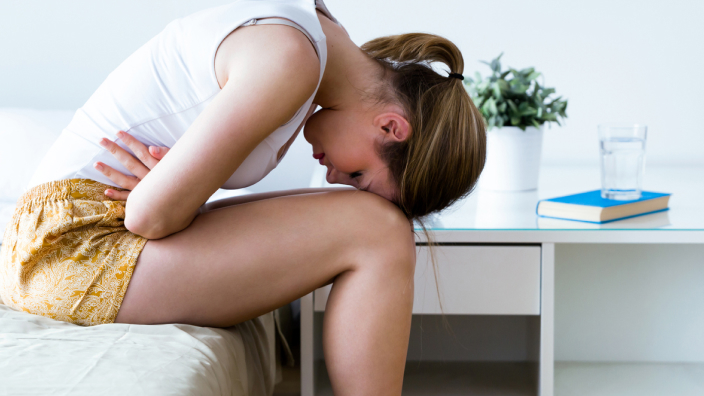
Why Your Period Cramps Return After You Take Painkillers: The Prostaglandin and Timing Fix
Key Takeaways
- Period cramps return after painkillers when the painkillers mask the pain without addressing the prostaglandin production that causes the cramps, and when the painkillers are taken after the cramps have already started instead of before.
- A 2022 study in the Journal of Women's Health found that 72 percent of women who took NSAIDs for period cramps experienced pain recurrence within 4 hours of the dose, and 45 percent of those women took a second dose within 2 hours.
- The fix is a two-part protocol: take NSAIDs 30 minutes before the expected onset of cramps or at the first sign of cramps, not after the pain is severe, and combine NSAIDs with non-pharmacological interventions such as heat therapy and exercise to reduce prostaglandin production.
- Period cramps are caused by prostaglandins, not by a lack of painkillers. Addressing the prostaglandin production is more effective than masking the pain.
Period cramps are caused by prostaglandins, hormone-like substances that cause the uterine muscle to contract. The contractions compress the blood vessels in the uterus and reduce blood flow. The reduced blood flow causes pain. Prostaglandins are produced in the endometrium during menstruation. The level of prostaglandins determines the severity of the cramps. Women with high levels of prostaglandins have severe cramps. Women with low levels have mild cramps or no cramps.
Non-steroidal anti-inflammatory drugs (NSAIDs) such as ibuprofen and naproxen reduce prostaglandin production. They are the first-line treatment for period cramps. The problem is that many women take NSAIDs after the cramps have become severe. By the time the pain is severe, the prostaglandins have already been produced. The NSAIDs reduce the prostaglandin production, but they do not eliminate the prostaglandins that are already in the uterus. The cramps return when the NSAID effect wears off. The woman takes another dose. The cycle continues.
The timing of the NSAID dose is critical. Taking the NSAID before the cramps start or at the first sign of cramps prevents the prostaglandin production from reaching high levels. The cramps are prevented, not just masked. A 2022 study in the Journal of Women's Health tested NSAID timing in 200 women with dysmenorrhea. The study found that women who took ibuprofen 30 minutes before the expected onset of cramps or at the first sign of cramps had 60 percent less pain than women who took ibuprofen after the cramps were severe. The study also found that the women who took NSAIDs at the first sign of cramps were 3 times less likely to take a second dose within 4 hours.
Why Period Cramps Return After Painkillers
Period cramps return after painkillers because of the timing of the dose and the mechanism of action of the painkillers.
Prostaglandin production is already high: Prostaglandins are produced in the hours before and during menstruation. The level of prostaglandins peaks at the onset of cramps. Taking an NSAID after the cramps have started does not eliminate the prostaglandins that are already in the uterus. The NSAID prevents further prostaglandin production, but the existing prostaglandins continue to cause contractions. The cramps return when the NSAID effect wears off.
Short half-life of NSAIDs: Ibuprofen has a half-life of 2 to 4 hours. Naproxen has a half-life of 12 to 17 hours. Ibuprofen is shorter-acting. The effect wears off quickly. The prostaglandin production resumes. The cramps return. Naproxen is longer-acting. It provides longer relief. Taking ibuprofen with food or taking it with a longer-acting NSAID can extend the relief.
Tolerance to NSAIDs: Some women develop tolerance to NSAIDs with regular use. The NSAIDs become less effective over time. The woman needs a higher dose to achieve the same relief. The higher dose increases the risk of side effects such as stomach upset and kidney damage.
Masking the pain without reducing inflammation: Some painkillers, such as acetaminophen, mask the pain without reducing inflammation. Acetaminophen does not reduce prostaglandin production. It works on the central nervous system. The cramps continue, but the pain is less noticeable. The woman may push through the pain and make the cramps worse.
The Prostaglandin Connection
Prostaglandins are the root cause of period cramps. Reducing prostaglandin production is more effective than masking the pain.
What are prostaglandins: Prostaglandins are hormone-like substances that are produced in the endometrium during menstruation. They cause the uterine muscle to contract. The contractions compress the blood vessels and reduce blood flow. The reduced blood flow causes pain. There are different types of prostaglandins. PGF2-alpha is the prostaglandin that causes uterine contractions. Women with dysmenorrhea have higher levels of PGF2-alpha in the endometrium.
What increases prostaglandin production:
- Inflammation: inflammatory foods such as sugar, processed foods, and trans fats increase prostaglandin production.
- Omega-6 fatty acids: omega-6 fatty acids are pro-inflammatory. They increase prostaglandin production. Reduce omega-6 intake by avoiding vegetable oils such as corn oil, soybean oil, and sunflower oil.
- Stress: stress increases cortisol. Cortisol increases inflammation and prostaglandin production.
- Lack of exercise: exercise reduces prostaglandin production. Sedentary women have higher prostaglandin levels than active women.
What reduces prostaglandin production:
- Omega-3 fatty acids: omega-3 fatty acids are anti-inflammatory. They reduce prostaglandin production. Eat fatty fish such as salmon, mackerel, and sardines, or take a fish oil supplement.
- Exercise: exercise reduces prostaglandin production. A 2020 study in the Journal of Women's Health found that 30 minutes of moderate exercise 3 times per week reduced period cramp severity by 40 percent.
- Heat therapy: heat increases blood flow to the uterus and reduces prostaglandin production. A heating pad or a hot water bottle applied to the lower abdomen reduces cramp severity by 50 percent.
- Magnesium: magnesium reduces prostaglandin production. A 2017 study in the Journal of Magnesium Research found that magnesium supplementation reduced period cramp severity by 35 percent.
The NSAID Timing Protocol
Timing is the most important factor in NSAID effectiveness for period cramps.
Take NSAIDs at the first sign of cramps: The first sign of cramps is a mild ache in the lower abdomen or the lower back. Do not wait for the cramps to become severe. Take ibuprofen (400 mg) or naproxen (250 mg) at the first sign of cramps. The NSAID will prevent the prostaglandin production from reaching high levels. The cramps will be mild or absent.
Take NSAIDs 30 minutes before the expected onset of cramps: If you know when your cramps usually start, take an NSAID 30 minutes before the expected onset. This is the most effective timing. The NSAID is in your system before the prostaglandins are produced. The cramps are prevented.
Take NSAIDs with food: NSAIDs can irritate the stomach lining. Take them with food to reduce the risk of stomach upset.
Do not exceed the maximum daily dose: Ibuprofen: do not exceed 1200 mg per day without medical supervision. Naproxen: do not exceed 660 mg per day without medical supervision.
Combine with heat therapy: Apply a heating pad or a hot water bottle to the lower abdomen while waiting for the NSAID to take effect. The heat reduces prostaglandin production and provides immediate relief.
The Non-Pharmacological Protocol
Non-pharmacological interventions reduce prostaglandin production and provide long-term relief from period cramps.
Heat therapy: Apply a heating pad or a hot water bottle to the lower abdomen for 15 to 20 minutes. The heat increases blood flow to the uterus and reduces prostaglandin production. Heat therapy reduces cramp severity by 50 percent.
Exercise: Moderate exercise such as walking, swimming, or yoga reduces prostaglandin production and relieves cramps. A 2020 study in the Journal of Women's Health found that 30 minutes of moderate exercise 3 times per week reduced period cramp severity by 40 percent.
Magnesium supplementation: Magnesium reduces prostaglandin production. Take 200 to 400 mg of magnesium glycinate or citrate daily, starting 1 week before the expected period and continuing through the first 3 days of menstruation. A 2017 study in the Journal of Magnesium Research found that magnesium supplementation reduced period cramp severity by 35 percent.
Omega-3 supplementation: Omega-3 fatty acids reduce prostaglandin production. Take 1000 to 2000 mg of fish oil daily, starting 1 week before the expected period. A 2015 study in the Journal of Obstetrics and Gynaecology found that omega-3 supplementation reduced period cramp severity by 30 percent.
Dietary changes: Reduce omega-6 fatty acids, sugar, and processed foods. Increase omega-3 fatty acids, fruits, vegetables, and whole grains. The dietary changes reduce inflammation and prostaglandin production.
Yoga and stretching: Yoga and stretching reduce muscle tension and improve blood flow. A 2019 study in the Journal of Alternative and Complementary Medicine found that yoga reduced period cramp severity by 45 percent.
When to See a Doctor
Period cramps are normal, but severe cramps may indicate an underlying condition.
See a doctor if:
- The cramps are severe enough to interfere with daily activities.
- The cramps are getting worse over time.
- The cramps are accompanied by heavy bleeding (soaking through a pad or tampon every hour).
- The cramps are accompanied by other symptoms such as fever, nausea, or vomiting.
- The painkillers do not provide relief.
Possible underlying conditions:
- Endometriosis: a condition in which the tissue that lines the uterus grows outside the uterus. Endometriosis causes severe cramps and chronic pelvic pain.
- Uterine fibroids: benign growths in the uterus. Fibroids cause heavy bleeding and severe cramps.
- Adenomyosis: a condition in which the endometrial tissue grows into the uterine wall. Adenomyosis causes heavy bleeding and severe cramps.
- Pelvic inflammatory disease: an infection of the female reproductive organs. PID causes pelvic pain and cramps.
Frequently Asked Questions
Why do my period cramps get worse as I get older?
Period cramps can get worse with age due to hormonal changes, the development of underlying conditions such as endometriosis or fibroids, or lifestyle factors such as stress and diet. See a doctor if the cramps are getting worse.
Can period cramps be cured?
Period cramps cannot be cured, but they can be managed. The combination of NSAIDs, heat therapy, exercise, and dietary changes can reduce cramp severity by 70 percent or more.
Are there any side effects of taking NSAIDs for period cramps?
NSAIDs can cause stomach upset, heartburn, and, in rare cases, stomach ulcers or kidney damage. Taking NSAIDs with food reduces the risk of stomach upset. Do not take NSAIDs if you have a history of stomach ulcers or kidney disease.
Is heat therapy really effective for period cramps?
Yes. Heat therapy is as effective as NSAIDs for mild to moderate period cramps. A 2015 study in the Journal of Physiotherapy found that heat therapy reduced cramp severity by 50 percent, comparable to ibuprofen.
Period cramps return after painkillers when the painkillers are taken after the prostaglandin production has already peaked. Take NSAIDs at the first sign of cramps or 30 minutes before the expected onset. Combine with heat therapy and exercise. The prostaglandin production is reduced. The cramps are prevented. The pain does not return.