Why Your Face Moisturizer Isn't Absorbing (and the Skin Barrier Problem Behind It)
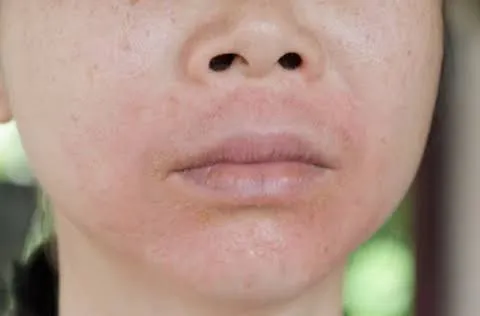
Moisturizer sits on top when the barrier is damaged, the skin is dehydrated, or the formula is wrong. Fixing the barrier and choosing the right texture helps.

361 stories — rituals, guides, and quiet-luxury edits.

Moisturizer sits on top when the barrier is damaged, the skin is dehydrated, or the formula is wrong. Fixing the barrier and choosing the right texture helps.

Moisturizer causes breakouts when it contains comedogenic ingredients or is too heavy for your skin. Non-comedogenic, oil-free formulas fix it.

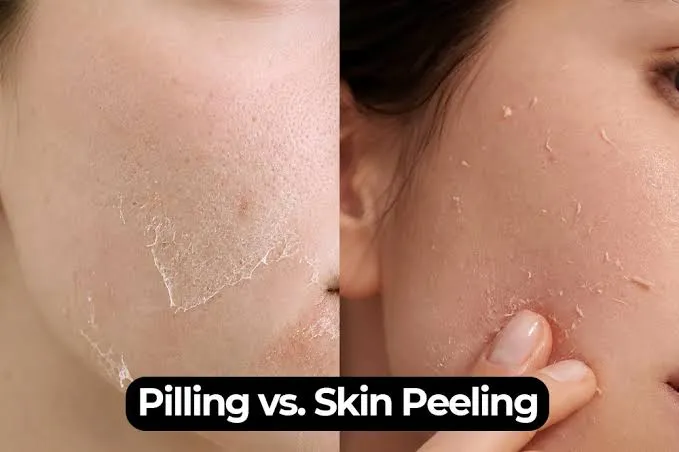
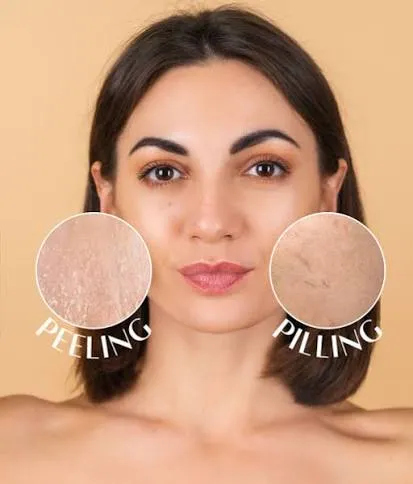
Moisturizer pills when layers are incompatible, applied too thick, or not allowed to absorb. Matching bases and waiting between layers fixes it.

Moisturizer stops working in summer when the texture is too heavy for humid air. Switching to a lighter gel or lotion fixes it.

Moisturizer stops working in winter because cold air and indoor heating strip the skin. Switching to a richer cream with occlusives fixes it.

Moisturizer fails on oily skin when the texture is wrong. Heavy creams sit on top. Light gels absorb but may not hydrate enough. The right balance is key.

Too many products cause irritation, barrier damage, and breakouts. A three-step routine (cleanse, moisturize, protect) fixes most skin problems.

Skin cycling works for some but damages the barrier for others. Sensitive skin, rosacea, and acne-prone skin often need a simpler, more consistent routine.

Hyaluronic acid dries skin in low humidity by pulling water from the skin instead of the air. Applying to damp skin and sealing with moisturizer fixes it.

Niacinamide reduces oil and strengthens the barrier. It is not a brightening ingredient. Vitamin C or azelaic acid works better for dark spots.

Retinol makes skin worse during the purge phase. This is temporary. But if it lasts beyond 6 weeks, it is a reaction, not a purge.

Serums fail when applied to dry skin, in the wrong order, or with incompatible products. Applying to damp skin and layering correctly fixes it.

Serum pills when layers are incompatible, applied too thick, or not allowed to absorb. Matching bases and waiting between layers fixes it.

Vitamin C fails to fade dark spots when the form is wrong, the concentration is too low, or it has oxidized. L-ascorbic acid at 10 to 20 percent works best.

Sunscreen pilling comes from formula mismatches, wet skin, or too much product. Fixing the order and texture of your layers stops the beading.

Reapplying sunscreen over makeup causes pilling and patchiness. Powder sunscreen, spray sunscreen, and sponge application work better.

Glass skin is a social media ideal, not a biological reality. Real healthy skin has texture, pores, and variation. Chasing glass skin damages the barrier.

Slugging (applying petroleum jelly overnight) traps moisture but also traps oil, bacteria, and heat. It helps dry skin but harms oily and acne-prone skin.

Collagen supplements only work if the molecules are small enough to absorb. Most products use the wrong form or dose, and results take 8 to 12 weeks.

Collagen supplements fail when the form is wrong, the dose is too low, or vitamin C is missing. Hydrolyzed peptides at 5 to 10 grams with vitamin C work best.

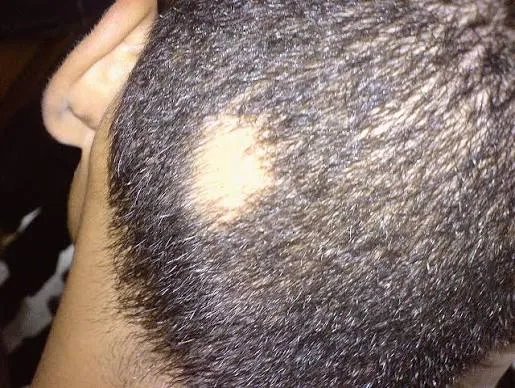
Biotin only helps hair growth if you are deficient. Most people are not. The real causes of hair loss are usually iron, thyroid, or hormones.

Saw palmetto is a weak DHT blocker. It helps mild hair loss but is not as effective as finasteride. Results take 6 months and vary widely.

Supplements only help if you are deficient. Most people are not. Blood tests identify the real cause better than guessing.

Omega-3 supplements only help if you use the right form (EPA and DHA), take enough, and give it 3 to 6 months. Most products under-dose.