skincare
Oct 26, 2026•6 min read
Why Retinol Plateaus (and How to Break Through)
Retinol plateaus when skin adapts, the concentration is too low, or the product has degraded. Increasing potency or switching actives breaks through.
 The Fashion & Beauty
361 stories — rituals, guides, and quiet-luxury edits.
Retinol plateaus when skin adapts, the concentration is too low, or the product has degraded. Increasing potency or switching actives breaks through.
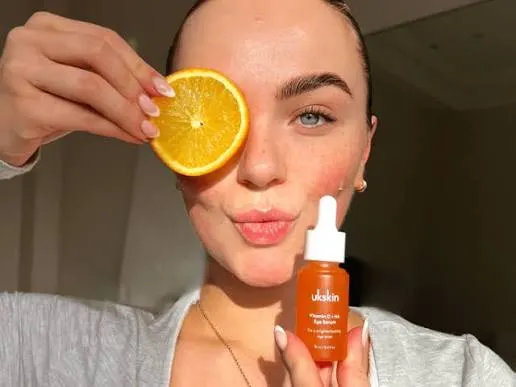
Vitamin C serums oxidize when exposed to air, light, or heat. A color change means the active has degraded and can irritate skin instead of helping it.

Skincare plateaus happen when skin adapts, products degrade, or the routine stops matching your skin's needs. Changing one variable at a time fixes it.
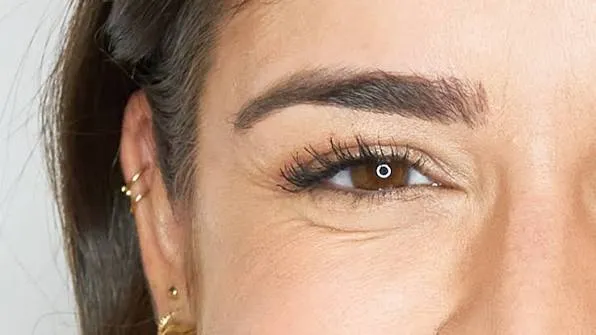
Eye cream hydrates but cannot fix wrinkles. Wrinkles are caused by collagen loss and UV damage. Retinol, sunscreen, and procedures are the real treatments.
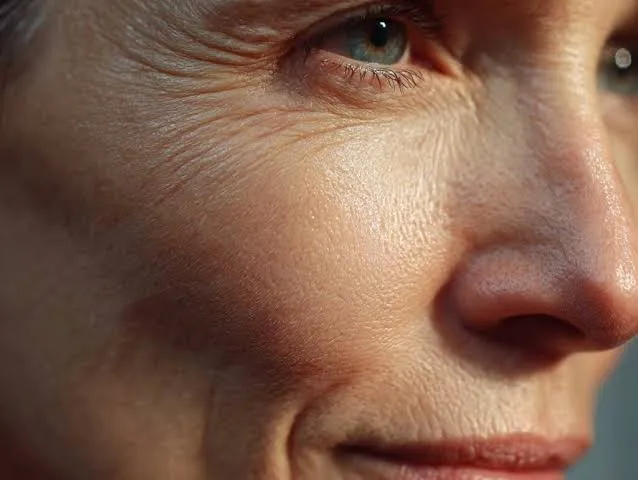
Retinol fails when applied to damp skin, used too often, or paired with the wrong products. Consistency and patience matter more than strength.
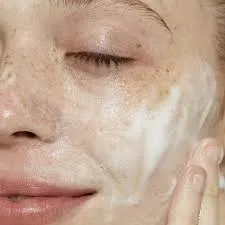
Regular cleanser doesn't remove sunscreen because sunscreen is oil-based and water-resistant. Oil cleanser or double cleansing fixes it.
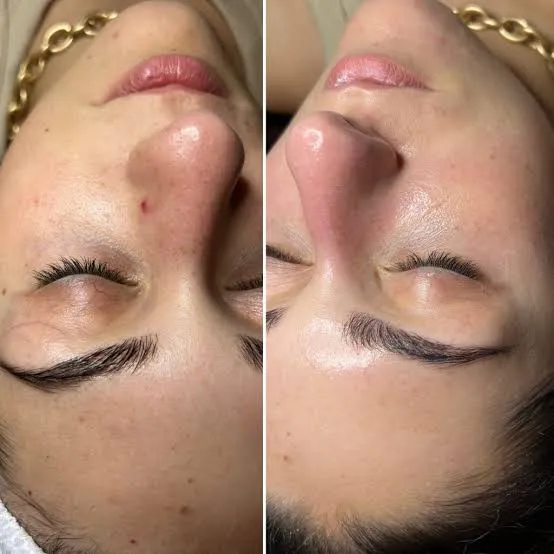
Cleanser residue causes breakouts and irritation. Rinsing thoroughly and using the right amount fixes it.

Tight skin after cleansing means the cleanser is too alkaline or too stripping. A pH-balanced, gentle cleanser fixes it.
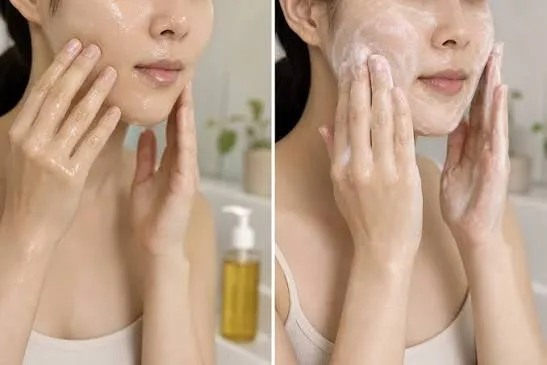
Double cleansing (oil cleanser + water cleanser) is great for heavy makeup but damaging for sensitive or dry skin. Single cleansing is enough for most people.

Cleansing brushes cause irritation and breakouts when used too often or on sensitive skin. Use 1 to 2 times a week, gently.

LED masks fail when the wavelength, dose, or duration is wrong. Red light (630-660nm) and near-infrared (830-850nm) have the most evidence.

Microcurrent devices fail when conductivity gel is missing or the skin is dry. Proper gel and technique are essential for results.
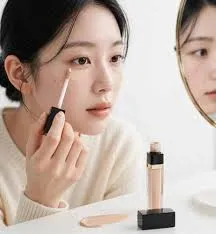
Concealer makes dark circles worse when the shade is wrong, the formula is too heavy, or the under-eye area is dry. Color correction and light formulas fix it.
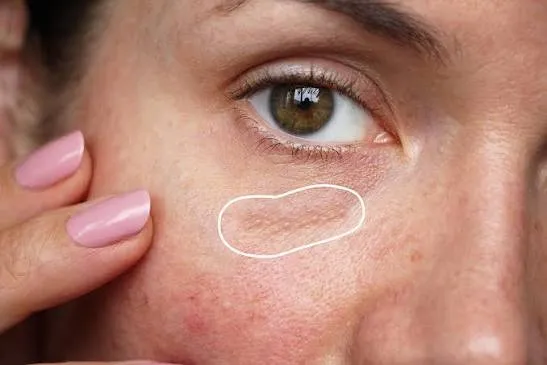
Milia are small white bumps caused by trapped keratin. Heavy eye creams and over-application cause them. Using less product and lighter formulas prevents them.
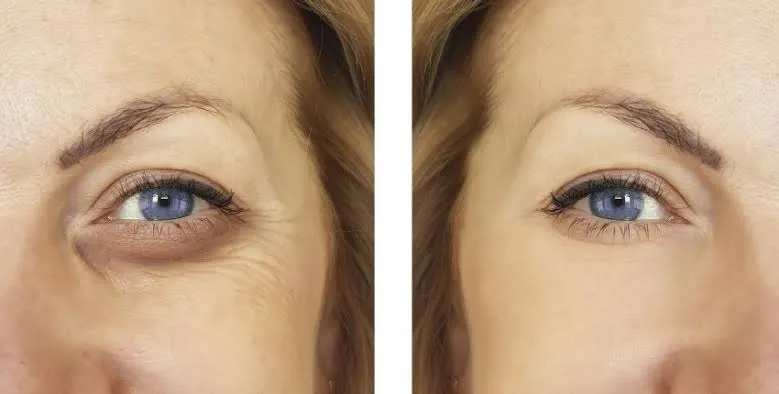
Eye cream hydrates but cannot fix genetics, volume loss, or pigmentation. Expectations are often too high. It is maintenance, not treatment.
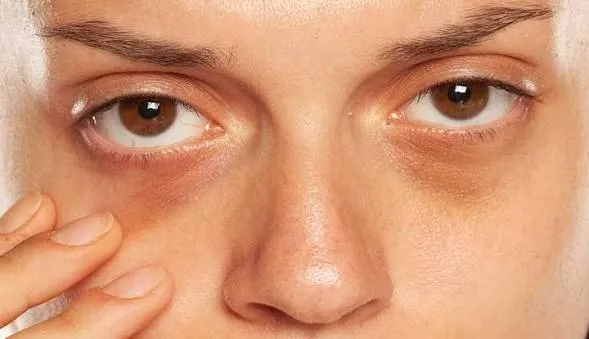
Dark circles are caused by genetics, thin skin, and blood vessels, not lack of eye cream. Eye cream hydrates but cannot fix structural causes.
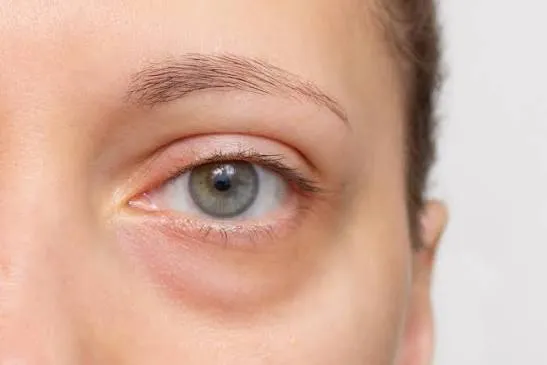
Eye puffiness comes from fluid retention, allergies, and sleep. Eye cream hydrates but cannot drain fluid. Cold compresses and lifestyle changes help more.

Micellar water doesn't remove waterproof or long-wear eye makeup. It leaves residue that causes irritation. An oil-based remover works better.
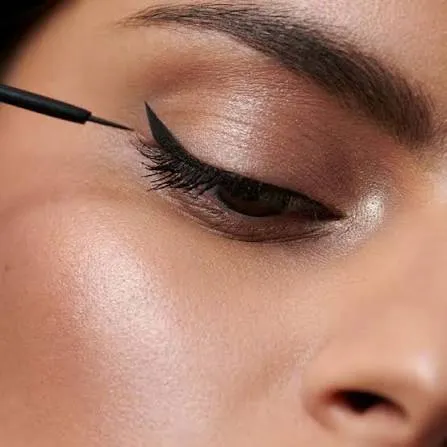
Retinol eye cream makes lines worse during the adjustment phase. This is temporary. Slowing down and buffering with moisturizer fixes it.
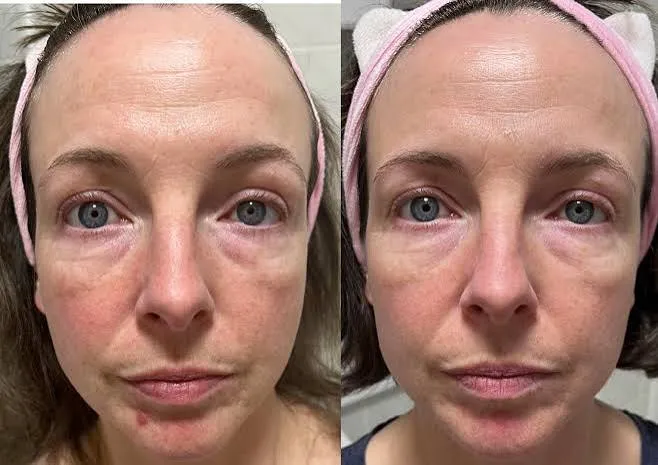
Azelaic acid reduces redness and inflammation more effectively than niacinamide. Niacinamide is better for oil control. Use both for different concerns.
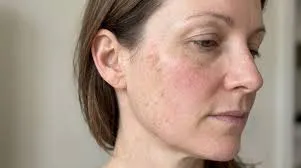
Bakuchiol is a gentler alternative to retinol but works more slowly. It does not cause purging or irritation. Use it if retinol is too strong.
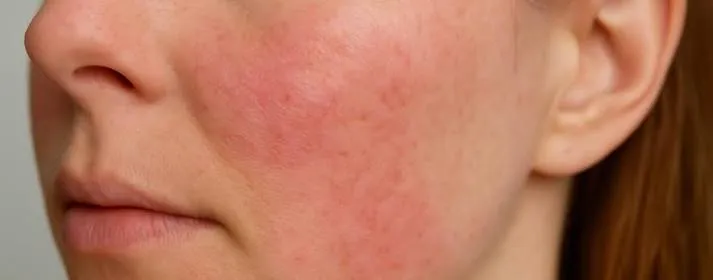
Niacinamide works for oil control and barrier repair but not for everyone's hyperpigmentation. The concentration and formula matter more than the percentage.

Clay masks dry out skin when left on too long or used too often. The right timing and a follow-up moisturizer prevent the tight, stripped feeling.
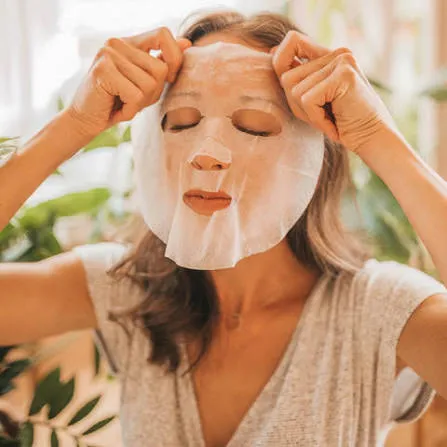
Sheet masks hydrate temporarily by occlusion. The effect lasts 1 to 2 hours. They do not add lasting hydration. Proper moisturizer works better.