
Why Your Eye Cream Isn't Fixing Puffiness (and the Salt and Sleep Connection)
Eye puffiness comes from fluid retention, allergies, and sleep. Eye cream hydrates but cannot drain fluid. Cold compresses and lifestyle changes help more.
Published
Sophia Chen
Senior Skincare & Ingredients Editor · Editor Bio → · How we research →
Fragrance-free, low-pH tested formulations designed to calm and restore reactive skin.
Key Takeaways
- Eye puffiness comes from fluid retention, allergies, and sleep. Eye cream hydrates but cannot drain fluid.
- Salt, alcohol, and dehydration cause fluid retention under the eyes.
- Sleeping position affects puffiness. Sleeping flat increases fluid accumulation.
- Cold compresses constrict blood vessels and reduce swelling temporarily.
- Caffeine in eye cream reduces puffiness by constricting blood vessels. The effect is temporary.
You wake up with puffy eyes. You apply eye cream. The puffiness stays. You try a new one. Same result. You wonder if eye cream is useless. Usually it is not useless. But it cannot fix the actual cause of puffiness.
This guide explains what causes eye puffiness, what eye cream can and cannot do, and what actually helps.
What Puffiness Is
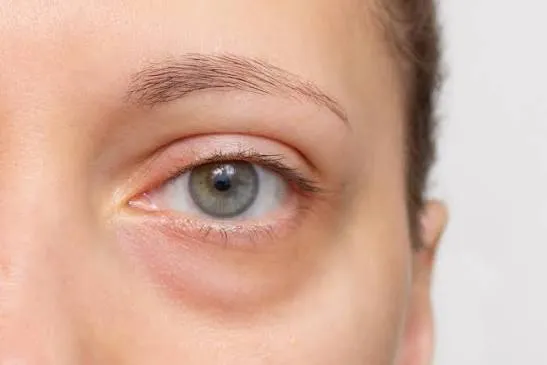
Puffiness (also called eye bags or under-eye swelling) is the accumulation of fluid in the tissue under the eyes. The skin around the eyes is the thinnest on the body. It is also loose and elastic. This makes it prone to swelling.
Puffiness can be temporary (from sleep, diet, or allergies) or persistent (from genetics, aging, or fat herniation). Temporary puffiness resolves within hours. Persistent puffiness does not.
The Four Causes of Puffiness
1. Fluid Retention
Fluid retention is the most common cause of temporary puffiness. It happens when fluid accumulates in the tissue under the eyes. Three factors cause this.
- Salt: high sodium intake causes the body to retain water. This water accumulates in loose tissue, including under the eyes.
- Alcohol: alcohol dehydrates the body. The body compensates by retaining water. This causes puffiness.
- Dehydration: when you are dehydrated, the body holds onto water. This causes puffiness under the eyes.
Fluid retention is worse in the morning because you have been lying flat for 8 hours. Gravity pulls fluid down. When you lie flat, fluid accumulates in the face.
2. Allergies
Allergies cause inflammation and fluid accumulation in the tissue under the eyes. This is called "allergic shiners." The eyes are itchy, watery, and puffy.
Common allergens include pollen, dust mites, pet dander, and certain foods. Allergies also cause dark circles (from blood vessel dilation).
Treating allergies (antihistamines, nasal spray, avoiding triggers) reduces puffiness. Eye cream does not.
3. Sleep Position
Sleeping flat increases fluid accumulation under the eyes. Gravity pulls fluid downward when you are upright. When you lie flat, fluid distributes evenly, including in the face.
Sleeping on your side or stomach also causes puffiness. The face is compressed against the pillow. This pushes fluid into the under-eye area.
Sleeping on your back with your head elevated (on two pillows) reduces puffiness. Gravity pulls fluid away from the face.
4. Aging and Fat Herniation
As you age, the fat pads under the eyes shift. They move downward and create bags. This is called fat herniation. It is a structural change, not a fluid problem.
Fat herniation is permanent. Eye cream cannot fix it. Filler or surgery (blepharoplasty) is the only treatment.
What Eye Cream Actually Does
Eye cream is a moisturizer formulated for the thin, sensitive skin around the eyes. It does three things.
- Hydrates: the skin around the eyes is thin and dry. Moisturizer plumps it slightly.
- Reduces puffiness (temporarily): caffeine constricts blood vessels and reduces swelling. The effect lasts 2 to 4 hours.
- Protects: some eye creams contain SPF or antioxidants.
Eye cream does not drain fluid. It does not fix allergies. It does not replace lost volume. It is a maintenance product, not a treatment.
What Eye Cream Cannot Do
- Drain fluid retention.
- Fix allergies.
- Eliminate fat herniation (bags).
- Permanently reduce puffiness.
- Fix dark circles caused by pigmentation or volume loss.
If your puffiness is caused by fluid, allergies, or fat herniation, eye cream will not help. You need a different approach.
What Actually Helps
1. Reduce Salt and Alcohol
High sodium and alcohol intake cause fluid retention. Reduce salt (especially processed foods) and limit alcohol. This reduces puffiness within 24 to 48 hours.
2. Hydrate
Dehydration causes the body to retain water. Drink at least 2 liters of water per day. This reduces fluid retention and puffiness.
3. Change Sleep Position
Sleep on your back with your head elevated. Use two pillows. This uses gravity to pull fluid away from the face. Avoid sleeping on your side or stomach.
4. Cold Compress
Cold constricts blood vessels and reduces swelling. Use a cold compress (cold spoon, ice pack, or chilled eye mask) for 5 to 10 minutes in the morning. This reduces puffiness temporarily.
5. Treat Allergies
If allergies cause your puffiness, treat them. Use antihistamines, nasal spray, or allergy shots. Avoid triggers (pollen, dust, pet dander). This reduces inflammation and fluid accumulation.
6. Caffeine
Caffeine constricts blood vessels and reduces swelling. Use an eye cream with caffeine or apply a cold caffeinated tea bag to the eyes. The effect is temporary (2 to 4 hours).
7. Lymphatic Drainage
Gentle massage around the eyes can help drain fluid. Use your ring finger (the weakest finger) and press gently from the inner corner to the outer corner. This moves fluid toward the lymph nodes.
The Role of Retinol
Retinol (vitamin A) increases cell turnover and stimulates collagen. It can thicken the skin around the eyes slightly, making blood vessels and fluid less visible. It also reduces fine lines.
Use a low-concentration retinol (0.25 to 0.3 percent) around the eyes. Start once a week. Build up slowly. The eye area is sensitive and can become irritated.
How to Choose an Eye Cream
If you want to use eye cream, choose one based on your concern.
- For puffiness: look for caffeine. It constricts blood vessels.
- For hydration: look for hyaluronic acid, glycerin, or ceramides.
- For fine lines: look for retinol or peptides.
- For dark circles (pigmentation): look for vitamin C or niacinamide.
Apply with your ring finger (the weakest finger). Use a pea-sized amount for both eyes. Pat gently. Do not rub.
Common Mistakes That Make It Worse
- Expecting eye cream to fix puffiness. It cannot drain fluid.
- Eating high-sodium foods before bed. Salt causes fluid retention.
- Sleeping flat. Elevate your head.
- Rubbing the eye area. This damages the thin skin and increases puffiness.
- Not treating allergies. Allergies are a major cause of puffiness.
- Using too much product. A pea-sized amount is enough. More causes milia (small white bumps).
When to See a Dermatologist
See a dermatologist if your puffiness is persistent and does not improve with lifestyle changes. See one if you want to discuss filler for hollows (if the puffiness is actually volume loss). See one if you want to discuss surgical options (blepharoplasty) for fat herniation.
A dermatologist or plastic surgeon can assess the cause and recommend treatment.
Frequently Asked Questions
Do eye creams actually work for puffiness?
They reduce puffiness temporarily (2 to 4 hours) with caffeine. They do not fix the underlying cause (fluid retention, allergies, or fat herniation).
What is the best ingredient for puffiness?
Caffeine. It constricts blood vessels and reduces swelling. The effect is temporary. Cold compresses work similarly.
Can I fix puffiness without surgery?
Yes, if it is caused by fluid retention or allergies. Reduce salt, hydrate, sleep elevated, use cold compresses, and treat allergies. If it is caused by fat herniation, surgery is the only permanent fix.
Why are my eyes puffy in the morning but not at night?
Fluid accumulates while you sleep flat. Gravity pulls fluid down when you are upright. By evening, the fluid has drained. Sleeping elevated reduces morning puffiness.
Eye cream hydrates. It does not drain fluid. Puffiness is caused by fluid retention, allergies, and sleep. Reduce salt, hydrate, sleep elevated, and use cold compresses. The puffiness fades, and the eyes look rested.