
Why Your Retinol Results Fade by Morning: The Peptide-Interference Fix
Peptides and retinol fight over the same receptor pathway; applying peptides after retinol blocks retinol's gene-signaling cascade, so the overnight gains reset by morning.
Published · Updated
Sophia Chen
Senior Skincare & Ingredients Editor · Editor Bio → · How we research →
Fragrance-free, low-pH tested formulations designed to calm and restore reactive skin.
Key Takeaways
- Retinol works by binding to retinoic acid receptors (RAR/RXR) to trigger gene transcription; peptides like Matrixyl bind to growth-factor co-receptors that interfere with the same downstream MAPK pathway.
- When you layer peptides over retinol, the peptide pathway competes with and partially blocks the retinol cascade, so the cell-signal gains reset overnight — that's what "fades by morning" actually feels like.
- The fix is sequencing, not substitution: retinol alone at night, peptides in the morning. The receptor competition only happens when they meet in the same window.
- "Results fade" is the skin's reset cycle, not a product failure — retinol rebuilds from the inside out, and visible gains take 8-12 weeks, not 8-12 hours.
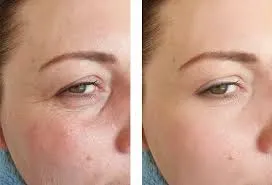
You apply retinol, wake up, and your skin feels like it did nothing — yet the before/after photos from month 3 show real change. Your nose didn't lie to you. The morning reset is real, and peptides make it worse.
On r/SkincareAddiction, "retinol works then fades overnight" is the retinol grief thread, and the advice is "use it more often" — which irritates the skin and breaks the cycle instead of fixing the interference.
Why Retinol and Peptides Compete
Retinol is a pro-hormone that converts to retinoic acid, which binds to nuclear retinoic acid receptors (RAR/RXR). That binding triggers a transcription cascade: the cell reads retinal genes, increases collagen production, and regulates cell turnover. This is a 24-72 hour process.
Peptides (Matrixyl, copper peptides, GHK-Cu) bind to membrane growth-factor co-receptors that share the MAPK signaling pathway downstream of the retinoic acid cascade. When both are present simultaneously, the peptide pathway competes for the same co-factors, reducing the retinol signal's amplitude — which is why the "morning fade" is more pronounced on peptide-heavy routines.
The Timing Fix
- Retinol at night, alone. Apply retinol to clean, dry skin and let it bind for 20 minutes before any other active. No peptides, no antioxidants within that window.
- Peptides in the morning. A peptide serum in the AM feeds the same collagen pathway but without competing with retinol's overnight transcription.
- Buffer if needed. If retinol irritates, apply it over a moisturizer (not a peptide serum) — the occlusion helps without blocking the receptor.
The Realistic Reset
The "fade by morning" is partly real and partly perceptual. Retinol increases desquamation overnight, so the superficial cells slough and the skin feels "reset" — but the deeper collagen work from the night before continues independently. Visible gains accumulate over months, not days.
The Retinol Sandwich Method Retinol Is Too Harsh for Your 30s
Frequently Asked Questions
Can I use vitamin C with retinol?
Only if you split them: vitamin C AM, retinol PM. Together they can neutralize each other, but not as severely as the peptide-retinol competition.
Does the fade mean my retinol is expired?
Usually not. The fade is the cell's reset cycle. True retinol degradation (brown color, clumping) is a separate sign.
How long before I stop feeling the morning "reset"?
2-4 weeks. Your skin adapts to the cell-turnover rate, and the reset sensation fades even though the deeper work continues.
Your retinol fades by morning because peptides share the MAPK pathway with retinol and competitively block the gene cascade when layered together. Keep retinol alone at night, peptides in the morning.