
Why Adult Acne Is Different from Teen Acne (and Why Your Old Routine Doesn't Work)
Adult acne is caused by hormones, not just oil and bacteria. Teen acne treatments are too harsh. Gentle, targeted treatments work better.
Published
Sophia Chen
Senior Skincare & Ingredients Editor · Editor Bio → · How we research →
Fragrance-free, low-pH tested formulations designed to calm and restore reactive skin.
Key Takeaways
- Adult acne is caused by hormones, not just oil and bacteria. Teen acne treatments are too harsh.
- Adult acne appears on the lower face (chin, jawline). Teen acne appears on the T-zone (forehead, nose, cheeks).
- Benzoyl peroxide and salicylic acid are effective for teen acne but too drying for adult skin.
- Adult skin is thinner and drier than teen skin. Harsh treatments damage the barrier.
- Hormonal treatments (spironolactone, birth control) address the root cause of adult acne.
You had acne as a teenager. You used benzoyl peroxide and salicylic acid. It worked. Now you are 30. The acne is back. You use the same products. They do not work. Your skin is dry, irritated, and still breaking out. The problem is not the products. It is the acne. Adult acne is different from teen acne.
This guide explains why adult acne is different, why teen treatments fail, and what actually works.
What Teen Acne Is
Teen acne is caused by hormonal changes during puberty. Androgens (male hormones) surge. Sebaceous glands (oil glands) produce excess sebum. Pores clog. Bacteria (Cutibacterium acnes) feed on the oil and cause inflammation.
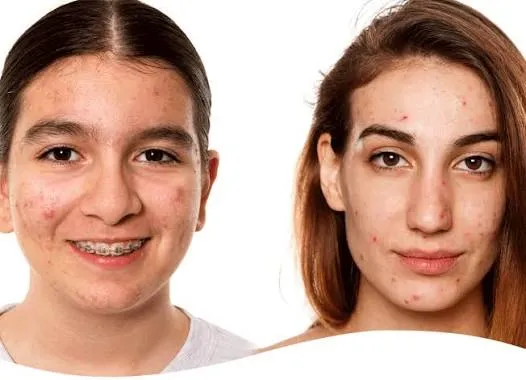
Teen acne appears on the T-zone (forehead, nose, cheeks). It is often oily, with blackheads and whiteheads. It is caused by excess oil and bacteria.
Teen acne responds well to topical treatments. Benzoyl peroxide kills bacteria. Salicylic acid unclogs pores. Retinol increases cell turnover. These treatments address the symptoms.
What Adult Acne Is
Adult acne is different. It is caused by hormonal fluctuations, not just oil production. Androgens stimulate oil glands. But the oil is not the only problem. The skin barrier is also involved.
Adult acne appears on the lower face (chin, jawline, neck). It is often deep, painful cysts. It is not just blackheads and whiteheads. It is inflammatory.
Adult acne is more common in women. It worsens around the menstrual cycle. It can persist into the 30s and 40s. It is often resistant to topical treatments.
Why Teen Treatments Fail on Adult Acne
Teen acne treatments are designed for oily, resilient teen skin. Adult skin is different. It is thinner, drier, and more sensitive. Harsh treatments damage the barrier.
1. Benzoyl Peroxide
Benzoyl peroxide kills acne bacteria. It is effective for teen acne. But it is drying and irritating. On adult skin, it causes redness, peeling, and barrier damage. This makes acne worse.
2. Salicylic Acid
Salicylic acid unclogs pores. It is effective for blackheads and whiteheads. But it is an exfoliant. On adult skin, over-exfoliation damages the barrier. This causes dryness and sensitivity.
3. Alcohol-Based Products
Many teen acne products contain alcohol. Alcohol dries the skin. On adult skin, this triggers rebound oil production. The skin becomes oilier, not clearer.
4. Harsh Cleansers
Teen acne cleansers are strong. They strip the skin. On adult skin, this damages the barrier. The skin becomes dry, tight, and reactive.
What Actually Works for Adult Acne
Adult acne needs a different approach. The focus is on hormones, barrier repair, and gentle treatment.
1. Hormonal Treatments
- Spironolactone: blocks androgen receptors. Reduces oil production. Most effective for hormonal acne in women. Requires prescription.
- Birth control pills: reduce androgen levels. Suppress ovulation. Decrease testosterone. Effective for hormonal acne.
- Spearmint tea: anti-androgenic. Reduces free testosterone. Mild effect. Safe and inexpensive.
2. Gentle Topicals
- Azelaic acid: anti-inflammatory and antibacterial. Gentler than benzoyl peroxide. Treats acne and redness. Safe for sensitive skin.
- Retinol: increases cell turnover. Unclogs pores. Reduces inflammation. Start slowly.
- Niacinamide: reduces oil and strengthens the barrier. Good for oily, acne-prone skin.
3. Barrier Repair
- Ceramide moisturizer: repairs the skin barrier. Reduces dryness and sensitivity.
- Gentle cleanser: pH-balanced, sulfate-free. Cleans without stripping.
- Sunscreen: protects against UV damage. Prevents post-inflammatory hyperpigmentation.
4. Lifestyle
- Stress management: stress increases cortisol, which increases androgens. Exercise, sleep, and relaxation help.
- Diet: reduce high glycemic foods (sugar, refined carbs). These spike insulin, which increases androgens.
- Sleep: 7 to 9 hours. Poor sleep increases cortisol and inflammation.
The Right Adult Acne Routine
Morning:
- Rinse with water. No cleanser needed.
- Apply niacinamide serum (optional).
- Apply moisturizer to damp skin.
- Apply sunscreen (SPF 30+).
Evening:
- Cleanse with a gentle, pH-balanced cleanser.
- Pat dry lightly. Leave skin slightly damp.
- Apply azelaic acid or retinol (not both).
- Wait 1 to 2 minutes.
- Apply moisturizer.
Use one active at a time. Alternate nights. Azelaic acid on Monday and Thursday. Retinol on Tuesday and Saturday. Rest on other nights.
The Role of Lip Condition
The skin around the mouth and chin is often the most affected by adult acne. This area is also prone to dryness from acne treatments.
If your chin and jawline are dry and breaking out, the barrier is damaged. Use a gentle cleanser. Apply a ceramide moisturizer. Avoid harsh actives on this area. Use azelaic acid (which is gentler than retinol) on the chin.
How to Touch Up Midday
If your acne is visible during the day, you can touch up without making it worse.
- Blot oil with a tissue. Do not rub.
- Apply a tiny amount of concealer to active breakouts. Use a small brush or fingertip.
- Set with a light dusting of powder.
- Do not add more foundation. This cakes and looks worse.
Touch up only when necessary. Over-touching irritates the skin and worsens acne.
Common Mistakes That Make It Worse
- Using teen acne products. Benzoyl peroxide and salicylic acid are too harsh for adult skin.
- Over-exfoliating. Acids and retinol used too often damage the barrier.
- Skipping moisturizer. Even oily, acne-prone skin needs moisturizer.
- Using alcohol-based products. These strip the skin and trigger rebound oil production.
- Not addressing hormones. Topicals alone cannot fix hormonal acne.
- Picking at cysts. This causes scarring and dark marks.
When to See a Dermatologist
See a dermatologist if your acne is cystic, painful, or scarring. See one if topicals have not helped after 12 weeks. See one if you suspect hormonal acne (lower face, pre-menstrual timing). See one if you want to discuss spironolactone or birth control.
A dermatologist can diagnose the cause and recommend treatment. Adult acne often needs prescription treatment, not just skincare.
Frequently Asked Questions
Is adult acne different from teen acne?
Yes. Teen acne is caused by excess oil and bacteria. Adult acne is caused by hormonal fluctuations and barrier dysfunction. They need different treatments.
Why doesn't benzoyl peroxide work for my adult acne?
Benzoyl peroxide kills bacteria. But adult acne is driven by hormones, not just bacteria. Topicals help but cannot address the root cause. Hormonal treatments are more effective.
Can adult acne be cured?
No. It can be managed. Adult acne often persists until menopause. Treatment (spironolactone, birth control, diet changes) controls it. It may recur if treatment stops.
Should I use the same products I used as a teenager?
No. Teen acne products are too harsh for adult skin. Use gentler, targeted treatments. Address hormones if needed.
Adult acne is a hormonal problem, not an oil problem. Teen treatments are too harsh. Use gentle topicals and address hormones. See a dermatologist if needed. The acne clears when the cause is treated.