
Why Your Beard Has Dandruff (and the Skin Underneath Is the Problem)
Beard dandruff comes from dry skin, seborrheic dermatitis, or poor hygiene under the beard. Exfoliating and moisturizing the skin underneath fixes it.
Published
Marcus Vance
Fabric Longevity & Grooming Editor · Editor Bio → · How we research →
Fast morning routines, beard maintenance, and tested product picks for men.
Key Takeaways
- Beard dandruff comes from dry skin, seborrheic dermatitis, or poor hygiene under the beard.
- The skin under the beard is hidden. It is often neglected. Dryness and flaking go unnoticed.
- Seborrheic dermatitis is a yeast (Malassezia) overgrowth. It causes oily, yellow flakes.
- Dry skin causes white, dry flakes. It is more common in winter.
- Exfoliating and moisturizing the skin under the beard fixes most cases.
You have a beard. You notice white flakes on your shirt. You assume it is dandruff. You try dandruff shampoo. It does not help. The problem is not the beard. It is the skin underneath.
This guide explains why beards get dandruff, what causes it, and how to fix it.
What Beard Dandruff Is
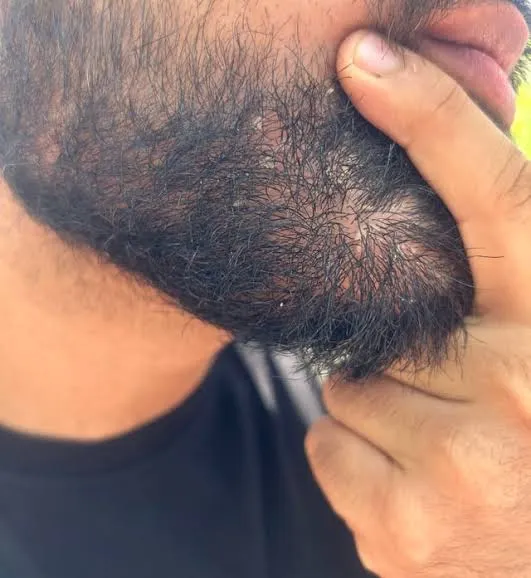
Beard dandruff (beardruff) is flaking skin under the beard. It is the same as scalp dandruff but on the face. The flakes can be white (dry skin) or yellow (oily, seborrheic dermatitis).
Beard dandruff is common. It affects 50 percent of men with beards at some point. It is not a sign of poor hygiene. It is a skin condition.
The Two Types of Beard Dandruff
1. Dry Skin (White Flakes)
Dry skin under the beard causes white, dry flakes. The skin is dehydrated. It flakes because it lacks moisture.
Causes: cold weather, hot water, harsh cleansers, not moisturizing.
Treatment: gentle cleanser, moisturizer, beard oil.
2. Seborrheic Dermatitis (Yellow Flakes)
Seborrheic dermatitis is a yeast (Malassezia) overgrowth. It causes oily, yellow flakes. The skin is red and itchy. The flakes are larger and greasier than dry skin flakes.
Causes: yeast overgrowth, excess oil, stress, weather changes.
Treatment: antifungal shampoo, gentle cleanser, moisturizer.
Why the Skin Under the Beard Gets Neglected
The skin under the beard is hidden. Most men do not see it. They wash the beard but do not clean the skin underneath. They apply oil to the hair but not the skin.
This neglect leads to buildup. Dead skin cells, oil, and bacteria accumulate. The skin becomes irritated. Flakes form.
The fix is to treat the skin under the beard, not just the hair.
Cause One: Dry Skin
Dry skin under the beard is the most common cause of white flakes. The beard hair wicks moisture away from the skin. The skin loses water faster than bare skin. This is transepidermal water loss (water evaporating through the skin surface).
Causes: cold weather, hot water, harsh cleansers, not moisturizing, beard hair wicking moisture.
The fix: use a gentle, sulfate-free cleanser. Wash with lukewarm water. Apply beard oil to the skin underneath. Moisturize daily.
Cause Two: Seborrheic Dermatitis
Seborrheic dermatitis is a yeast (Malassezia) overgrowth. It affects areas with high oil production: the scalp, face, and chest. The beard area is prone because it is warm and moist.
Signs: yellow, oily flakes. Redness. Itching. Flakes on the eyebrows and sides of the nose too.
Causes: yeast overgrowth, excess oil, stress, weather changes, genetics.
The fix: use an antifungal shampoo (ketoconazole or selenium sulfide) on the beard. Leave on for 3 to 5 minutes. Rinse. Follow with a gentle cleanser. Moisturize.
Cause Three: Poor Hygiene
Not washing the beard properly causes buildup. Dead skin, oil, and bacteria accumulate. The skin becomes irritated. Flakes form.
Causes: not washing the beard, not rinsing thoroughly, not exfoliating.
The fix: wash the beard 2 to 3 times a week with a gentle cleanser. Rinse thoroughly. Exfoliate once a week with a soft brush or scrub.
Cause Four: Wrong Products
Using the wrong products irritates the skin under the beard.
- Harsh shampoo: strips the skin. Causes dryness and flaking.
- Regular soap: alkaline. Disrupts the acid mantle. Causes irritation.
- No moisturizer: the skin stays dry. Flakes form.
The fix: use a gentle, sulfate-free cleanser. Use a beard oil or moisturizer daily. Avoid harsh products.
Cause Five: Diet and Health
Diet and health affect skin. Poor nutrition, stress, and sleep deprivation worsen dandruff.
- Diet: high sugar and processed food increase inflammation. Omega-3 fatty acids reduce inflammation.
- Stress: increases cortisol, which worsens seborrheic dermatitis.
- Sleep: poor sleep weakens the immune system. The skin is more prone to yeast overgrowth.
The fix: eat a balanced diet. Manage stress. Sleep 7 to 9 hours.
The Role of Climate and Season
Climate and season affect beard dandruff.
- Winter: cold, dry air strips the skin. Indoor heating reduces humidity. Dry skin flakes increase.
- Summer: heat and sweat increase oil production. Seborrheic dermatitis worsens.
- Dry climates: low humidity causes dry skin. Flakes increase.
- Humid climates: high humidity promotes yeast growth. Seborrheic dermatitis worsens.
Adjust your routine based on the season. Use a heavier moisturizer in winter. Use an antifungal shampoo more often in summer.
The Right Beard Care Routine
Daily:
- Wash the beard (2 to 3 times a week). Rinse with water on other days.
- Apply beard oil. Massage into the skin underneath, not just the hair.
- Brush the beard with a boar bristle brush. This distributes oil and exfoliates.
- Moisturize the skin underneath with a light, non-comedogenic moisturizer.
Weekly:
- Exfoliate the skin under the beard with a gentle scrub or soft brush.
- Use an antifungal shampoo if you have seborrheic dermatitis.
How to Exfoliate Under the Beard
Exfoliation removes dead skin cells that trap oil and bacteria. It is essential for preventing beard dandruff.
- Wet the beard with warm water.
- Apply a gentle scrub or use a soft boar bristle brush.
- Massage in circular motions. Focus on the skin, not just the hair.
- Rinse thoroughly.
- Apply beard oil or moisturizer.
Exfoliate once or twice a week. Do not over-exfoliate. Daily exfoliation irritates the skin.
Common Mistakes That Make It Worse
- Not washing the skin under the beard. Wash the skin, not just the hair.
- Not moisturizing. The skin under the beard needs moisture.
- Using harsh shampoo. Use a gentle, sulfate-free cleanser.
- Not exfoliating. Dead skin traps oil and bacteria.
- Scratching. This damages the skin and causes infection.
- Ignoring seborrheic dermatitis. If you have yellow, oily flakes, use an antifungal shampoo.
When to See a Dermatologist
See a dermatologist if beard dandruff persists after 4 weeks of treatment. See one if you have severe redness, itching, or scaling. See one if over-the-counter treatments have not helped. See one if you suspect seborrheic dermatitis or psoriasis.
A dermatologist can prescribe stronger treatments (steroid creams, antifungal medications) and identify underlying conditions.
Frequently Asked Questions
Is beard dandruff the same as scalp dandruff?
Yes. Both are caused by dry skin or seborrheic dermatitis (yeast overgrowth). The treatment is similar. Use an antifungal shampoo and moisturize.
Can I use dandruff shampoo on my beard?
Yes. Ketoconazole (Nizoral) and selenium sulfide (Selsun Blue) shampoos work on beards. Leave on for 3 to 5 minutes. Rinse. Follow with a gentle cleanser.
Does beard oil help with dandruff?
Yes, if the dandruff is caused by dry skin. Oil moisturizes the skin and softens flakes. But if the dandruff is caused by seborrheic dermatitis, oil can make it worse (yeast feeds on oil).
How often should I wash my beard?
2 to 3 times a week. Over-washing strips the skin. Under-washing causes buildup. Find the balance.
Beard dandruff is a skin problem, not a hair problem. Exfoliate, moisturize, and use the right products. The flakes fade, and the beard stays healthy.