
Why Your Beard Itches for the First Three Weeks (and the Skin Underneath Is the Real Problem)
Beard itch in the first weeks comes from sharp hair tips and dry skin underneath, not from the hair itself. Moisturizing the skin under the beard fixes it.
Published
Marcus Vance
Fabric Longevity & Grooming Editor · Editor Bio → · How we research →
Fast morning routines, beard maintenance, and tested product picks for men.
Key Takeaways
- Beard itch in the first one to three weeks comes from sharp, freshly cut hair tips rubbing against skin.
- The skin under the beard dries out because beard hair wicks moisture away from it.
- Washing with harsh shampoo strips the natural oils (sebum) that protect both skin and hair.
- Beard oil works only if it reaches the skin, not just the hair on top.
- The itch usually fades by week three to four as hair softens and skin adapts.
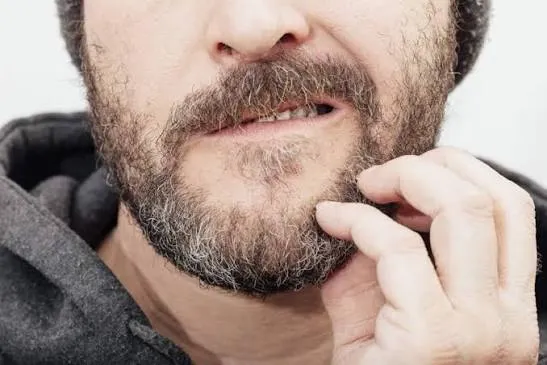
You start growing a beard. By day ten, the itch is unbearable. You want to shave it off. Most people blame the hair. The real problem is the skin underneath.
This guide explains why beards itch, what is happening to the skin, and how to fix it without shaving.
Why New Beard Hair Itches
When you shave, the razor cuts each hair at an angle. The tip becomes sharp, like a tiny needle. As the hair grows out, these sharp tips poke and scratch the skin around the follicle (the pore the hair grows from). This mechanical irritation triggers itch.
This is why the itch is worst in the first one to three weeks. The hair is short enough that the sharp tips still touch the skin. Once the hair grows longer, the tips curl away from the skin and the poking stops.
Beard hair is also coarser (thicker and stiffer) than head hair. Coarse hair bends less, so the tips press harder against the skin.
The Skin Underneath Dries Out
Beard hair acts like a wick. It pulls moisture (water and natural oils) away from the skin and into the air. The skin under a beard loses water faster than bare skin. This is transepidermal water loss (water evaporating through the skin surface).
Dry skin flakes. Those flakes get trapped in the beard and look like dandruff (beardruff). The dryness also makes the skin more sensitive to the sharp hair tips, so the itch gets worse.
The Washing Mistake
Many men wash their beard with regular shampoo or body wash. These are made for the scalp or body, not the face. They contain strong surfactants (cleansing agents) that strip sebum, the natural oil your skin produces to protect itself.
Stripped skin produces more oil to compensate, but it also gets dry and irritated in the meantime. This cycle makes the itch worse.
Wash the beard two to three times a week with a gentle, sulfate-free cleanser. Rinse with warm water, not hot. Hot water strips more oil and dries the skin further.
How Beard Oil Actually Works
Beard oil is a blend of carrier oils (like jojoba, argan, or sweet almond) and sometimes essential oils for scent. It does two jobs.
- It softens the hair. Oil coats the hair shaft and reduces friction between hairs and skin.
- It moisturizes the skin underneath. This is the important part.
Most men apply oil to the surface of the beard. The oil sits on the hair and never reaches the skin. The itch continues.
Apply oil in two passes. First, put two to three drops on your fingertips. Massage them down through the hair to the skin. Use your fingertips to reach the base of each hair. Second, spread the remaining oil over the hair surface.
Apply on a damp beard, right after washing. Damp skin absorbs oil better than dry skin.
Beard Oil Ingredients: What to Look For
Not all beard oils are equal. The carrier oil (the base oil) matters most. Look for these.
- Jojoba oil: mimics human sebum. Absorbs fast without clogging pores.
- Argan oil: rich in vitamin E. Softens coarse hair well.
- Sweet almond oil: light and non-greasy. Good for sensitive skin.
- Grapeseed oil: very light. Good for oily or acne-prone skin under the beard.
Avoid heavy oils like coconut oil or castor oil as the main ingredient. They can clog pores (comedogenic) and cause breakouts under the beard. Essential oils (scent) should be a small part of the blend. Too much can irritate the skin.
If you have sensitive skin, choose fragrance-free oil. Fragrance is a common irritant under a beard.
The Exfoliation Step Most Men Skip
Dead skin cells build up under the beard. They trap oil and bacteria, which can cause folliculitis (inflamed hair follicles) and bumps. Exfoliation (removing dead skin) prevents this.
Use a gentle scrub or a soft boar bristle brush once or twice a week. Brush in the direction of hair growth. This loosens flakes and distributes oil from the skin to the hair.
Do not over-exfoliate. Once or twice a week is enough. More than that irritates the skin and worsens the itch.
The Role of Climate and Humidity
Dry air makes beard itch worse. In winter or in arid climates, the air pulls moisture from the skin faster. The skin under the beard dries out quicker, and the itch intensifies.
In dry conditions, apply beard oil twice a day instead of once. Use a heavier oil blend (more argan, less grapeseed). Consider a humidifier in your bedroom to add moisture to the air.
In humid climates, the skin under the beard stays moister. You may need less oil. But humidity can also promote fungal growth and beard dandruff. Wash more often and use an antifungal shampoo if you see yellow flakes.
The Timeline
- Week one: sharp tips poke the skin. Itch is worst. Skin is dry and adjusting.
- Week two: hair softens slightly. Itch eases but dryness may continue.
- Week three to four: hair tips curl away from skin. Itch fades. Skin adapts to the new moisture balance.
- After week four: the beard is established. Itch should be gone if you maintain the routine.
If itch persists beyond four weeks, the cause is not the growth phase. It may be a skin condition like seborrheic dermatitis (a yeast-related flaking disorder) or an allergy to a product.
Common Mistakes That Make It Worse
- Washing every day with hot water and strong shampoo. This strips all protective oil.
- Applying oil only to the hair surface. The skin underneath stays dry.
- Scratching with fingernails. This damages the skin and can cause infection.
- Giving up at week two. The worst itch is temporary. Pushing through pays off.
- Using heavy, comedogenic (pore-clogging) oils like coconut oil on acne-prone skin. This causes breakouts under the beard.
When to See a Clinician
See a dermatologist if the itch comes with red patches, yellow crusts, or pus. These suggest infection or dermatitis. See one if you have severe flaking that does not improve with gentle care. See one if you suspect an allergy to a beard product.
Frequently Asked Questions
Does itching mean my beard is growing?
Yes, partly. Sharp hair tips irritate the skin during early growth. But itch can also mean dry skin or a skin condition. If the itch is severe or lasts beyond four weeks, it is not just growth.
How much beard oil should I use?
One to two drops for a short beard. Three to four for medium length. Up to seven for a long beard. More is not better. Too much oil clogs pores and feels greasy.
Can I use regular moisturizer instead of beard oil?
A lightweight, unscented moisturizer works for the skin. But it does not soften the hair. Beard oil does both. Use both if your skin is very dry.
Should I trim during the first month?
Avoid trimming for the first four to six weeks. Let the hair grow evenly. Trimming too early creates new sharp tips and restarts the itch.
Beard itch is a skin problem wearing a hair costume. Moisturize the skin underneath, apply oil correctly, and wait out the first three weeks. The itch fades, and the beard stays.