
Why Your Hair Is Oily at the Roots but Dry at the Ends (and the Shampoo Mistake)
Oily roots with dry ends come from over-washing, wrong shampoo, and applying conditioner to roots. Washing less and conditioning ends only fixes it.
Published
Marcus Vance
Fabric Longevity & Grooming Editor · Editor Bio → · How we research →
Our comprehensive library of ingredient breakdowns, product tests, and barrier protocols.
Key Takeaways
- Oily roots with dry ends come from over-washing, wrong shampoo, and applying conditioner to roots.
- Over-washing strips the scalp. The scalp produces more oil. The ends stay dry because they are not washed.
- Conditioner on the roots weighs the hair down and makes roots greasy.
- Washing less and conditioning ends only balances the hair.
- A clarifying shampoo once a week removes buildup from the ends.
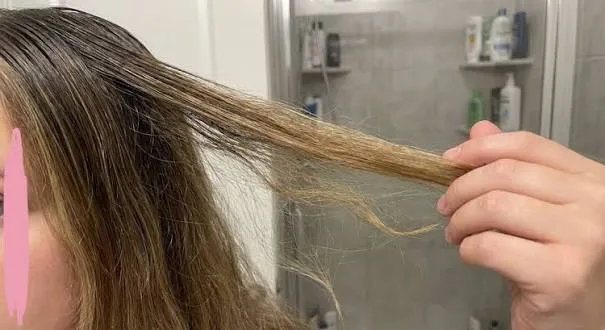
You wash your hair. The roots are greasy by noon. The ends are dry and frizzy. You wonder what is wrong with your hair. Usually the problem is your washing routine, not your hair type.
This guide explains why hair gets oily at the roots but dry at the ends, what causes it, and how to fix it.
What Causes Oily Roots with Dry Ends
This is the most common hair complaint. It happens because the roots and ends need different care. The roots need cleansing. The ends need moisture. Using the same products on both creates the problem.
Cause One: Over-Washing
Washing too often strips the scalp of natural oils (sebum). The scalp senses this loss. The sebaceous glands (oil glands) respond by producing more sebum. This is rebound oil production.
But the ends are not washed as often. They do not get the same oil production. They stay dry. The result is oily roots and dry ends.
The fix is to wash less. If you wash daily, drop to every other day. If you wash every other day, drop to every third day. Give your scalp 2 to 4 weeks to adjust. The oil production will decrease.
Cause Two: Wrong Shampoo
Using a moisturizing shampoo on oily roots adds oil. Using a clarifying shampoo on dry ends strips them further. The wrong shampoo makes the imbalance worse.
Use a shampoo that matches your scalp, not your ends. If your scalp is oily, use a volumizing or clarifying shampoo. If your scalp is dry, use a moisturizing shampoo.
The ends do not need shampoo. They need conditioner. Shampoo is for the scalp. Conditioner is for the ends.
Cause Three: Conditioner on the Roots
Applying conditioner to the roots weighs the hair down. Conditioner contains emollients and silicones that coat the hair. On the roots, these ingredients mix with sebum and create greasiness.
Apply conditioner only from the ears down. Avoid the roots and scalp. Use a small amount. Rinse thoroughly. Any residue weighs the hair down.
Cause Four: Not Conditioning the Ends
If you skip conditioner on the ends, they stay dry. The ends are the oldest part of the hair. They have been exposed to the most damage. They need moisture.
Condition the ends every wash. Use a generous amount. Leave on for 2 to 3 minutes. Rinse with cool water to seal the cuticle.
Cause Five: Product Buildup
Styling products, conditioners, and oils build up on the hair. This buildup weighs the roots down and makes them greasy. The ends become coated and dull.
Clarify your hair once a week with a clarifying shampoo. This removes buildup. The roots feel lighter. The ends feel cleaner.
Cause Six: Hot Water
Hot water strips the scalp of natural oils. The scalp produces more oil to compensate. The ends are also stripped. But the ends do not produce oil. They stay dry.
Use lukewarm water. It cleans effectively without stripping. Rinse with cool water to close the cuticle and seal moisture in the ends.
The Role of Hair Porosity
Porosity is how easily hair absorbs and loses moisture. It affects how the roots and ends behave.
- High-porosity hair (damaged, bleached, or coarse): absorbs products fast but loses moisture fast. The roots get oily quickly. The ends get dry quickly.
- Low-porosity hair (healthy, fine, or virgin): resists products. The roots stay oily because sebum cannot penetrate. The ends stay dry because conditioner cannot penetrate.
If your hair is high-porosity, use a lighter conditioner and apply to damp hair. If your hair is low-porosity, use heat (blow dryer) to help products absorb.
How to Refresh Between Washes
If your roots get oily between washes, you can refresh without washing.
- Use dry shampoo at the roots. Spray from 6 inches away. Massage in. This absorbs oil and adds volume.
- Use a texturizing spray. This adds grip and texture. It makes the hair look less greasy.
- Re-blow dry the roots. Use a round brush and medium heat. Use a cool shot to set.
- Tease the roots lightly with a comb. Smooth the top layer.
- Avoid touching your hair. Hands transfer oil to the roots.
Do not add more product. This causes buildup and weighs the hair down.
The Right Washing Routine
- Wet hair with lukewarm water.
- Apply shampoo to the scalp only. Massage gently. Do not pile hair on top of the head.
- Rinse thoroughly. Let the shampoo run down the ends. Do not scrub the ends.
- Apply conditioner from ears down. Avoid the roots. Use a generous amount.
- Leave on for 2 to 3 minutes.
- Rinse with cool water. Ensure all product is removed.
- Towel dry gently. Do not rub.
- Apply a leave-in conditioner or oil to the ends only.
Wash every 2 to 3 days. Use dry shampoo at the roots on non-wash days.
The Right Products
- Shampoo: match to your scalp. Volumizing or clarifying for oily scalp. Moisturizing for dry scalp.
- Conditioner: match to your ends. Lightweight for fine hair. Heavy for thick or damaged hair.
- Leave-in: apply to ends only. Use a light spray or cream.
- Oil or serum: apply to ends only. One drop is enough.
Common Mistakes That Make It Worse
- Washing daily. This strips the scalp and triggers rebound oil.
- Applying conditioner to roots. This makes roots greasy.
- Skipping conditioner on ends. This makes ends dry.
- Using hot water. This strips both scalp and ends.
- Not clarifying. Buildup weighs roots down.
- Using heavy products on fine hair. These weigh hair down.
When to See a Hairstylist
See a hairstylist if your hair is very oily or very dry. See one if you are unsure which products to use. See one if your hair is damaged and needs treatment.
A good hairstylist can assess your hair type and recommend products and techniques.
Frequently Asked Questions
Why are my roots oily but my ends dry?
Over-washing strips the scalp. The scalp produces more oil. The ends are not washed as often. They stay dry. Wash less. Condition ends only.
How often should I wash my hair?
Every 2 to 3 days for most people. Oily scalps may need every other day. Dry scalps can go 3 to 4 days. Use dry shampoo between washes.
Should I use different shampoo and conditioner?
Yes. Match the shampoo to your scalp. Match the conditioner to your ends. They do different jobs.
Can I fix oily roots without making ends drier?
Yes. Wash less. Use a volumizing shampoo. Apply conditioner to ends only. Use dry shampoo at the roots. The balance improves within 2 to 4 weeks.
Oily roots with dry ends are a washing problem, not a hair problem. Wash less. Condition ends only. Use lukewarm water. Clarify weekly. The hair balances, and the roots stay fresh longer.