
Why Postpartum Hair Loss Is Normal (and When It's Not)
Postpartum hair loss is caused by dropping estrogen. It peaks at 3 to 4 months. It is temporary. Most women recover by 12 months.
Published
Marcus Vance
Fabric Longevity & Grooming Editor · Editor Bio → · How we research →
Our comprehensive library of ingredient breakdowns, product tests, and barrier protocols.
Key Takeaways
- Postpartum hair loss is caused by dropping estrogen after delivery. It is temporary.
- Hair loss peaks at 3 to 4 months postpartum. Most women recover by 12 months.
- It is not caused by breastfeeding, stress, or poor nutrition (though these can worsen it).
- Minoxidil is safe during breastfeeding. It can help if shedding is severe.
- If hair loss persists beyond 12 months or is patchy, see a dermatologist.
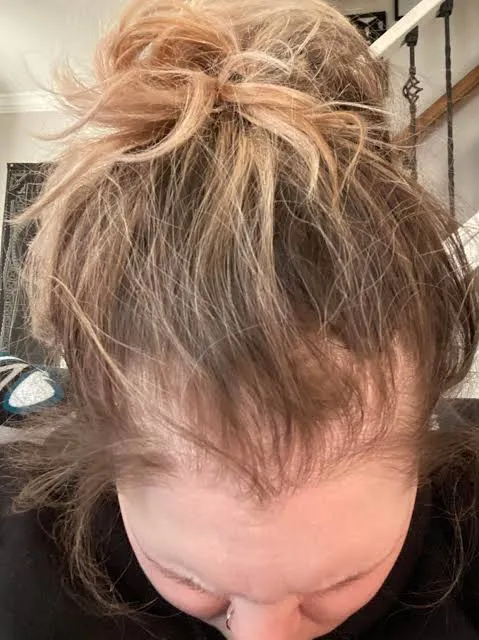
You had a baby. Three months later, your hair is falling out. Clumps in the shower. Handfuls on the brush. You panic. You wonder if something is wrong. Usually nothing is wrong. Postpartum hair loss is normal.
This guide explains why postpartum hair loss happens, what causes it, and when to worry.
What Postpartum Hair Loss Is
Postpartum hair loss is excessive shedding after childbirth. It is a form of telogen effluvium (temporary hair shedding triggered by a stressor). The stressor is the hormonal shift after delivery.
During pregnancy, estrogen levels are high. High estrogen prolongs the growth phase (anagen) of the hair cycle. Hair grows thicker and fuller. Less hair sheds.
After delivery, estrogen drops sharply. The hair that was in the extended growth phase enters the resting phase (telogen). 2 to 3 months later, this hair sheds. The shedding is sudden and dramatic.
The Timeline
Postpartum hair loss follows a predictable timeline.
- Months 1 to 2: no visible shedding. The hair is still in the extended growth phase.
- Months 3 to 4: peak shedding. Large amounts of hair fall out. This is the hardest phase.
- Months 5 to 6: shedding decreases. New hair starts to grow.
- Months 7 to 9: shedding is minimal. New hair is visible (baby hairs along the hairline).
- Months 10 to 12: hair returns to normal. Full recovery.
Most women recover by 12 months. Some take longer (up to 18 months). The timeline varies.
Why It Happens
Postpartum hair loss is caused by the sharp drop in estrogen after delivery. This is the primary cause. Three factors contribute.
1. Estrogen Decline
Estrogen supports hair growth. It prolongs the growth phase. When estrogen drops after delivery, the hair enters the resting phase. 2 to 3 months later, it sheds.
This is the same mechanism as telogen effluvium (stress-related shedding). The "stressor" is the hormonal shift, not emotional stress.
2. Iron Deficiency
Pregnancy and childbirth deplete iron stores. Low iron (ferritin) causes hair shedding. This can worsen postpartum hair loss.
If you had heavy bleeding during delivery or have low iron, your shedding may be more severe. Get a ferritin test. If ferritin is below 50 ng/mL, supplement with iron.
3. Thyroid Changes
Postpartum thyroiditis (inflammation of the thyroid) occurs in 5 to 10 percent of women. It can cause hair loss, fatigue, and mood changes. It usually resolves within 12 months.
If your hair loss is severe or accompanied by other symptoms, get a thyroid test (TSH).
What It Is Not
Postpartum hair loss is not caused by.
- Breastfeeding: breastfeeding does not cause hair loss. The hormonal changes after delivery cause it. Breastfeeding may delay the return of estrogen, which can prolong shedding.
- Stress: emotional stress can trigger telogen effluvium. But postpartum hair loss is primarily hormonal, not stress-related.
- Poor nutrition: a poor diet can worsen shedding. But it is not the primary cause. Even women with excellent diets experience postpartum hair loss.
- Shampoo or products: no shampoo or product causes postpartum hair loss. This is a myth.
What Actually Helps
1. Time
The most effective treatment is time. Postpartum hair loss is self-limiting. It resolves on its own within 6 to 12 months. No treatment speeds up the process significantly.
2. Iron Supplementation
If ferritin is low (below 50 ng/mL), iron supplementation restores hair growth. Take ferrous sulfate or ferrous bisglycinate with vitamin C. Retest in 3 months.
3. Minoxidil
Minoxidil is safe during breastfeeding. It is a topical solution or foam. It increases blood flow to the follicles and prolongs the growth phase.
Minoxidil can help if shedding is severe. But it is not necessary for most women. The hair will recover on its own.
If you use minoxidil, continue for at least 6 months. Results take 3 to 6 months. You must continue using it to maintain results.
4. Gentle Hair Care
Be gentle with your hair during the shedding phase. The hair is fragile.
- Use a wide-tooth comb. Avoid brushing wet hair.
- Avoid tight hairstyles (ponytails, braids). These pull on the hair.
- Use a silk pillowcase. This reduces friction and breakage.
- Do not use heat styling. Heat damages fragile hair.
- Do not use harsh chemicals (bleach, perms). These weaken the hair.
5. Nutrition
Eat a balanced diet. Include protein, iron, zinc, and omega-3 fatty acids. These support hair growth.
- Protein: hair is made of keratin. Eat 0.8 to 1 gram per kilogram of body weight.
- Iron: found in red meat, spinach, and lentils. Pair with vitamin C.
- Zinc: found in oysters, beef, and pumpkin seeds.
- Omega-3: found in salmon, walnuts, and flaxseed.
What Does Not Help
- Biotin and hair vitamins: these only help if you are deficient. Most people are not.
- Hair growth shampoos: no shampoo has been proven to regrow hair.
- Scalp massages: may improve blood flow but do not stop shedding.
- Changing shampoo: shedding is hormonal, not product-related.
When to Worry
Postpartum hair loss is normal. But see a dermatologist if.
- Shedding persists beyond 12 months.
- You have patchy hair loss (which may be alopecia areata, an autoimmune condition).
- You have other symptoms (fatigue, weight change, cold intolerance). These may indicate thyroid issues.
- You have severe shedding (more than 200 hairs per day).
A dermatologist can diagnose the type of hair loss and recommend treatment.
Common Mistakes That Make It Worse
- Panicking. Postpartum hair loss is normal. It resolves.
- Using harsh products. The hair is fragile. Be gentle.
- Tight hairstyles. These cause breakage.
- Not eating enough. Nutrition affects hair growth.
- Not getting blood tests. Iron and thyroid issues can worsen shedding.
Frequently Asked Questions
Is postpartum hair loss permanent?
No. It is temporary. Most women recover by 12 months. Some take longer (up to 18 months). The hair returns to normal.
Does breastfeeding cause hair loss?
No. Breastfeeding does not cause hair loss. The hormonal changes after delivery cause it. Breastfeeding may delay estrogen recovery, which can prolong shedding.
Can I prevent postpartum hair loss?
No. It is caused by hormonal changes. You cannot prevent it. But you can minimize breakage with gentle hair care and proper nutrition.
Should I take supplements for postpartum hair loss?
Only if you are deficient. Get blood tests (ferritin, thyroid, vitamin D). If deficient, supplement. If not, save your money.
Postpartum hair loss is normal and temporary. It is caused by dropping estrogen. It peaks at 3 to 4 months. Most women recover by 12 months. Be gentle with your hair. Eat well. Get blood tests if needed. The hair returns.