
Why Skin Flooding Made Your Skin Greasy: The Barrier Balance Fix
Published · Updated
Short answer
Skin flooding leaves oily or combination skin greasy because stacking multiple heavy humectants (like high-concentration hyaluronic acid) pulls excess water into the stratum corneum without adequate sebum balance, prompting pores to overproduce surface oil. Oily skin benefits from a single lightweight essence sealed with an oil-free ceramide gel.
Sophia Chen
Senior Skincare & Ingredients Editor · Editor Bio → · How we research →
Our comprehensive library of ingredient breakdowns, product tests, and barrier protocols.
Key Takeaways
- Skin flooding means applying several hydrating products in quick succession to damp skin, usually a hydrating toner or mist, a humectant serum and a moisturizer, sometimes sealed with an occlusive.
- Humectants such as glycerin and hyaluronic acid attract water; occlusives such as petrolatum slow its evaporation. Together they suit dry skin well.
- On oily or acne-prone skin, the extra layers add residue and shine, and heavy final layers can contribute to clogged pores.
- A skincare trend is worth keeping when it fits your skin type and replaces a step rather than simply adding more.
What is skin flooding, and why did it make me greasier?
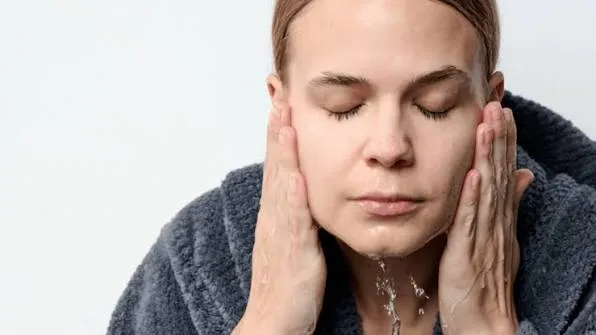
Skin flooding is a layering method that spread through social media: you apply hydrating products one after another while your skin is still damp, so each layer adds water and the last one seals it in. A typical sequence is a hydrating mist or toner, then a serum with hyaluronic acid or glycerin, then a moisturizer, and sometimes an occlusive balm on top.
For dry or dehydrated skin, that's a sensible idea. For oily skin, it often backfires. Skin that already makes plenty of oil doesn't need three or four layers of product, and whatever it can't use sits on the surface. The result is shine by midday, pilling when makeup goes on, and sometimes clogged pores. The trend isn't wrong so much as sold as universal when it suits only some skin types.
How is skin flooding supposed to work?
The method relies on two kinds of ingredients working together.
Humectants such as glycerin, hyaluronic acid and panthenol attract and hold water. Applying them to damp skin gives them water to hold onto straight away.
Emollients and occlusives do the sealing. Emollients such as squalane and ceramides smooth the surface, while occlusives such as petrolatum and dimethicone form a film that slows water evaporating from the skin.
In very dry air, a humectant-heavy layer with nothing sealing it can leave skin feeling tight as the surface water evaporates. That's why the final step matters, and also why it's the step most likely to cause problems on oily skin.
Why does skin flooding make oily skin greasier?
Several things stack up.
- More product than the skin can use. Each layer leaves film-formers, emollients or occlusives behind. On skin that already produces a lot of oil, that residue adds up to visible shine.
- Heavy final layers. Rich creams and occlusive balms worn every day can contribute to clogged pores in people prone to breakouts.
- Pilling and slide. Several layers applied without drying time can ball up or make sunscreen and foundation slide off.
- Humid weather. In humid climates, skin loses less water to the air, so extra hydrating layers add less benefit and more slickness.
If your skin feels greasy on the surface but still flakes, the moisturizer itself may be the mismatch; see why a moisturizer can feel greasy but still leave flakes.
Who is skin flooding good for?
| Skin type | Does skin flooding suit it? | How to adapt it |
|---|---|---|
| Dry | Often, yes | Full routine at night; finish with a cream or balm |
| Dehydrated (tight but can still be oily) | Sometimes | Hydrating serum plus a light moisturizer; skip the balm |
| Oily | Rarely as written | One humectant serum and a gel moisturizer, or a gel alone |
| Acne-prone | With caution | Keep layers light; avoid heavy occlusives on breakout areas |
| Sensitive or irritated | Only simplified | Fewer products, fragrance-free, focused on barrier repair |
| Combination | Partly | Flood the dry areas only, lighter layers on the T-zone |
How do you do skin flooding without the grease?
Keep the useful part, which is hydration on damp skin, and trim the rest.
- Cut to two or three steps. A hydrating serum on damp skin, then one moisturizer, is enough for most people.
- Choose textures for your skin. Oily skin does better with gels and gel-creams; save rich creams for dry areas.
- Skip the occlusive layer unless your skin is dry, or apply it only to dry patches such as around the nose and mouth.
- Let each layer settle for a minute before the next, especially before sunscreen and makeup.
- Do it at night if daytime shine bothers you, and keep the morning routine lighter.
Which skincare trends are worth keeping in 2026?
Skin flooding is part of a wider pattern: techniques that help one skin type go viral as advice for everyone. Here's how some common trends hold up.
| Trend | Verdict | Why |
|---|---|---|
| Barrier-first routines (gentle cleanser, ceramide moisturizer, sunscreen) | Keep | Suits almost every skin type and supports everything else you use |
| Mineral sunscreen for sensitive skin | Keep, if you like the finish | Zinc oxide and titanium dioxide are generally well tolerated |
| Skin cycling (rotating actives with rest nights) | Keep, with care | A useful structure for starting retinoids without overdoing it |
| At-home LED masks | Optional | Evidence is mixed and device output varies widely; consistency and correct use matter |
| Peptide serums | Optional | Gentle, but evidence is weaker than for retinoids |
| Slugging (petrolatum overnight) | Keep for dry skin; skip if acne-prone | Petrolatum itself rarely clogs pores, but it can trap the products and oil beneath it |
| Stacking several exfoliating acids | Skip | High risk of irritation for little extra benefit |
| Ten-step "glass skin" routines | Modify | More layers mean more residue and more chances of irritation or closed comedones |
If you're considering an LED device, read why LED mask results depend on dosing before you buy.
How can you tell if a skincare trend is worth trying?
Ask four questions before adding anything new:
- Does it suit my skin type and the state of my barrier right now?
- Is there a clear reason it should work, or only before-and-after photos?
- Does it replace a step, or just add one? Trends that pile on products tend to cause the problems people then try to fix with more products.
- Can I keep doing it? A routine you follow every day beats a complicated one you abandon.
Try one change at a time for several weeks so you can tell what it's doing. If you want a stable base to test against, start from a minimal morning and evening routine.
When should you see a dermatologist?
See a dermatologist or doctor if breakouts keep coming after you've simplified your routine for a couple of months, if you develop painful or deep spots, or if products that used to feel fine now sting, burn or cause redness. Get prompt medical advice for swelling, blistering, hives or a spreading rash after trying a new product, and stop using it.
Frequently Asked Questions
Is skin flooding good for oily skin?
Not as it's usually described. Oily skin rarely needs three or four hydrating layers, and the extra product tends to show up as shine and can clog pores. A lighter version works better: one humectant serum applied to damp skin, followed by a gel or gel-cream moisturizer. Leave out occlusive balms and facial oils, or keep them to any genuinely dry patches.
What's the difference between skin flooding and slugging?
Skin flooding is about layering hydration: several water-based products applied to damp skin in a row. Slugging is a single step, a thin layer of petrolatum or a similar occlusive as the last thing you apply at night to slow water loss. Some people end a skin-flooding routine with slugging, which suits very dry skin but is usually too heavy for oily or acne-prone skin.
Can skin flooding cause breakouts?
It can in people prone to acne, mainly through heavy final layers and the sheer amount of product sitting on the skin. The hydrating serums themselves are rarely the problem. If you break out after starting the trend, drop the occlusive layer and any facial oils first, then cut back to two steps and see whether the skin settles over the next few weeks.
How many layers should skin flooding have?
Most versions use three or four: a hydrating mist or toner, a humectant serum, a moisturizer, and sometimes an occlusive. More isn't better. For many people, a serum on damp skin plus one moisturizer gives the same benefit with less residue. Dry skin can take the full sequence, while oily skin usually does best with two light layers.
Skin flooding leaves oily and acne-prone skin greasier because it piles on more layers than that skin can use. Keep the hydration on damp skin, drop the heavy layers, and judge every trend by whether it suits your skin and simplifies your routine.
Correction, September 28, 2026: An earlier version listed LED devices and peptides as evidence-backed and said slugging "seals in breakouts." Evidence for home LED devices is mixed, peptides have weaker evidence than retinoids, and petrolatum itself rarely clogs pores; the concern for acne-prone skin is what it traps underneath.